.webp)
If you are considering building a DIY vocal booth, you are not alone.
Many musicians, voice actors, podcasters, and content creators start by searching for:
- DIY vocal booth plans
- How to build a soundproof booth
- Closet vocal booth ideas
- DIY PVC booth cost
- Portable vocal booth vs WhisperRoom
Thousands of creators search every month for DIY vocal booth plans, hoping to save money. What most do not realize is that true sound isolation is far more complex than foam and framing.
At first glance, building your own booth seems cheaper. A few sheets of MDF. Some insulation. Foam panels. Maybe moving blankets.
But the real comparison is not just about material cost.
It is about:
- True sound isolation
- Time investment
- Ventilation
- Long-term durability
- Portability
- Professional results
- Total ownership cost
This guide breaks down DIY vocal booths versus WhisperRoom sound isolation booths in terms of cost, performance, effort, and long-term value so you can make an informed decision.
TL;DR DIY vocal booths can reduce echo and may work for hobbyists in quiet environments.
But if you need reliable sound isolation, quiet ventilation, portability, and professional consistency, a WhisperRoom offers stronger performance, faster setup, modular flexibility, and long-term value.
Is a DIY Vocal Booth Worth It?
A DIY vocal booth can reduce echo and improve internal acoustics.
But most DIY builds struggle to deliver true sound isolation from outside noise.
Whether it is worth it depends on:
- Your environment
- Your expectations
- Your time investment tolerance
- Your long-term plans
Below is a detailed comparison so you can decide with clarity.
DIY Vocal Booth vs WhisperRoom: Cost Breakdown
What Does a DIY Vocal Booth Actually Cost?
When someone says they built a vocal booth for $1000, that number usually reflects material costs only.
It often includes:
- MDF or plywood
- Rockwool or fiberglass insulation
- Cheap acoustic foam panels
- Door seals
- Caulk
- Basic fasteners
However, the true cost of a DIY vocal booth is rarely limited to materials alone.
What that estimate often does not include:
- Power tools if you do not already own them
- Replacement materials after measurement or cutting mistakes
- Ventilation systems or silenced airflow
- Electrical routing for lighting or outlets
- Structural reinforcement for stability
- The value of your time
At this stage, most DIY builds begin to resemble small construction projects rather than simple weekend upgrades.
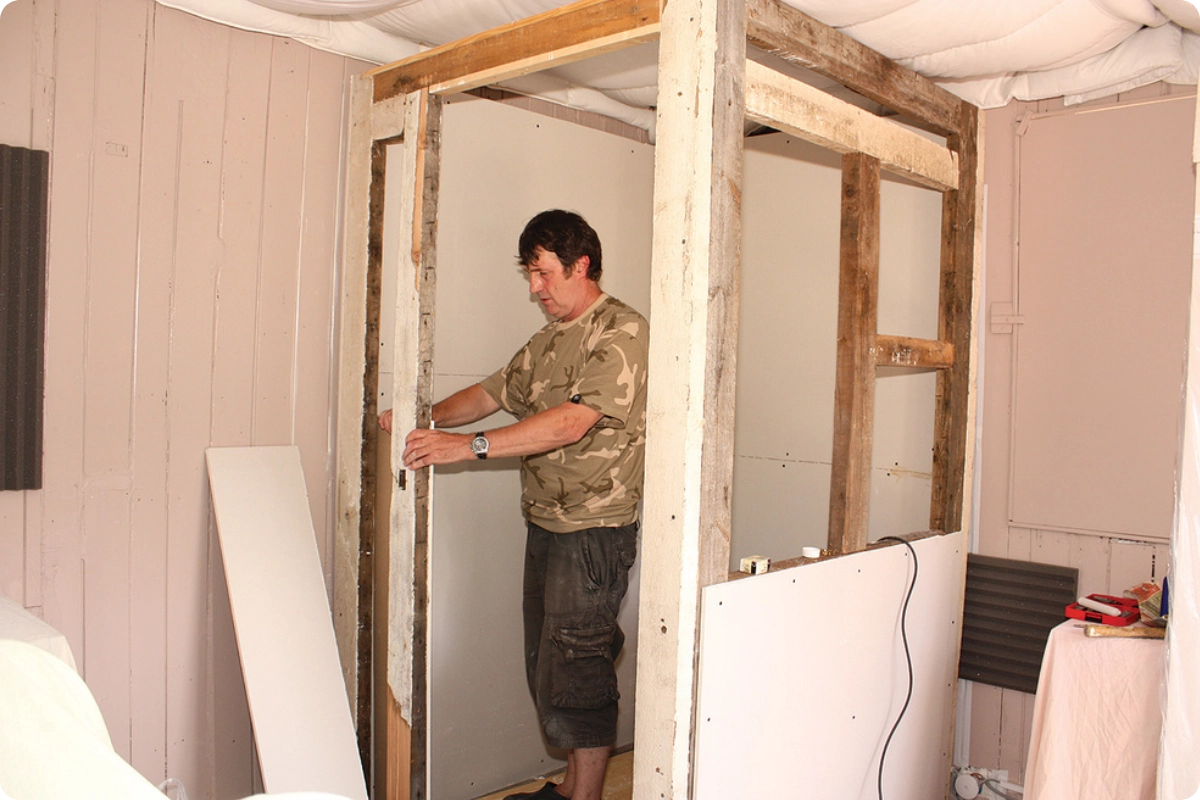
If you want to see what a full DIY studio booth build can involve, this detailed step-by-step breakdown from Sound On Sound shows the framing, insulation, drywall, and sealing required before achieving usable isolation.
A typical DIY vocal booth build requires framing, insulation, drywall, sealing, and ventilation planning before achieving usable sound isolation.
It is also important to understand a critical difference. Most DIY booths focus on absorption, not isolation.
Foam and insulation reduce echo inside the space. They improve how your voice sounds within the booth. They do not block outside noise from entering.
True sound isolation requires mass, airtight sealing, and structural decoupling.
Soundproofing vs. Sound Treatment
- Absorption reduces echo inside a space
- Isolation prevents outside noise from entering
- They are not the same thing
That distinction becomes extremely important if you are recording in a home with HVAC noise, street traffic, neighbors, or shared walls.
Does a DIY Booth Isolate as Well as a WhisperRoom?
Short answer: Usually no.
Most DIY builds rely on:
- Foam
- Blankets
- PVC frames
- Closet conversions
These reduce reflections inside the space but do not block external sound effectively.
True isolation requires:
- Mass
- Airtight sealing
- Structural decoupling
- Engineered panel connections that prevent vibration transfer
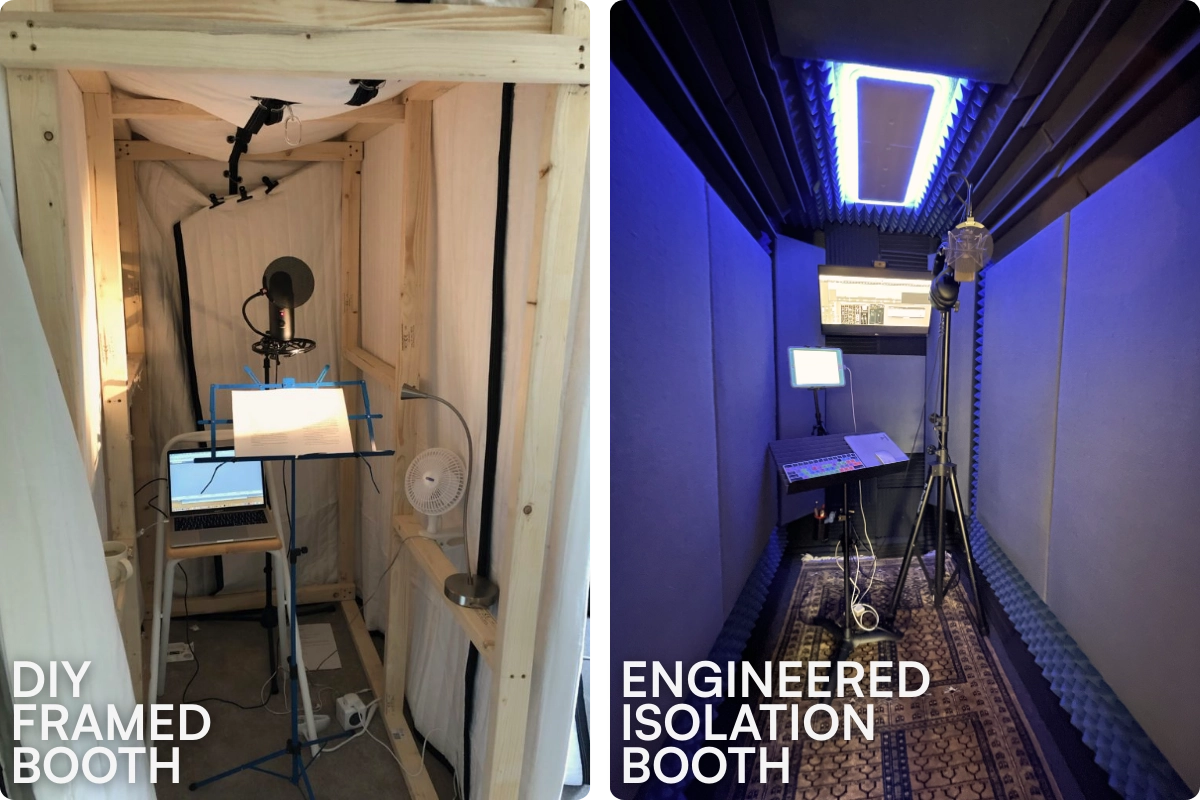
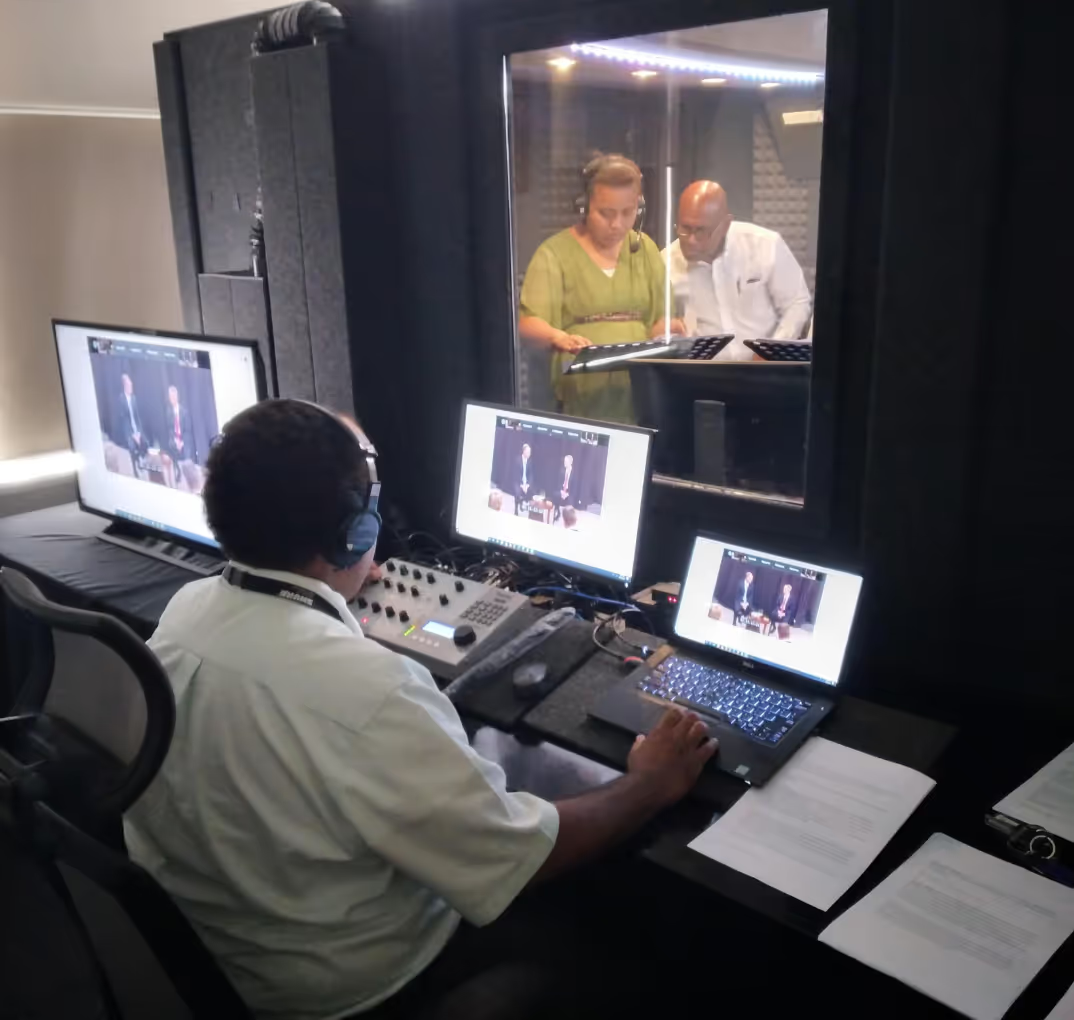
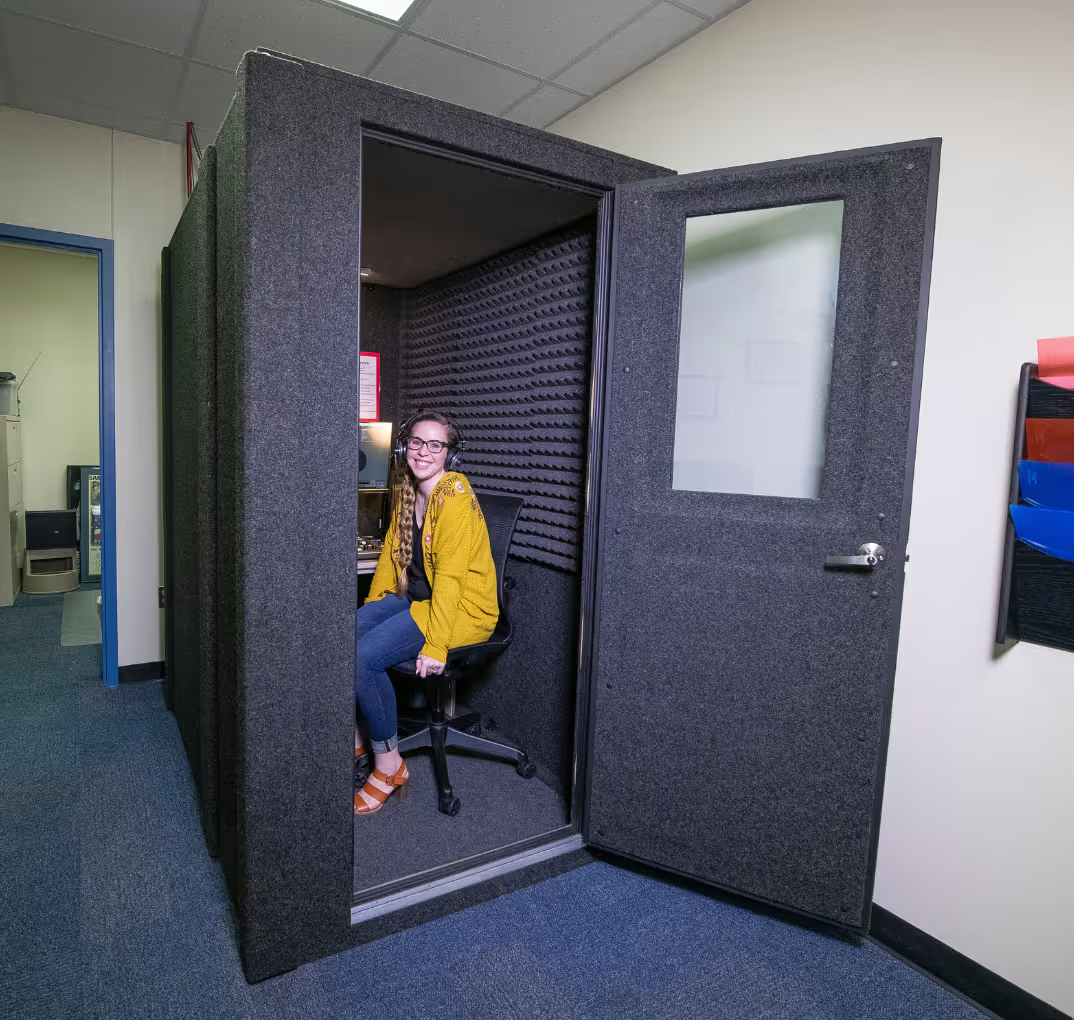
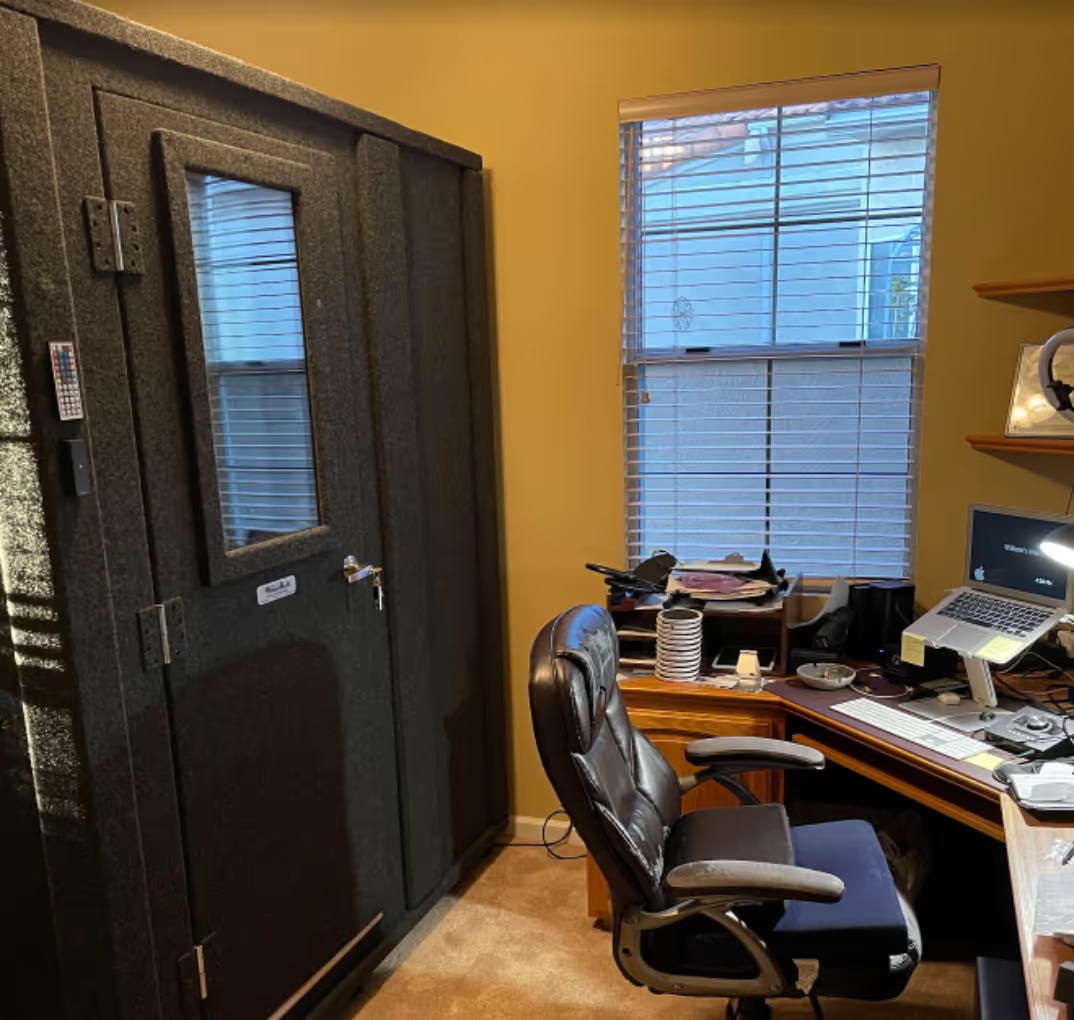
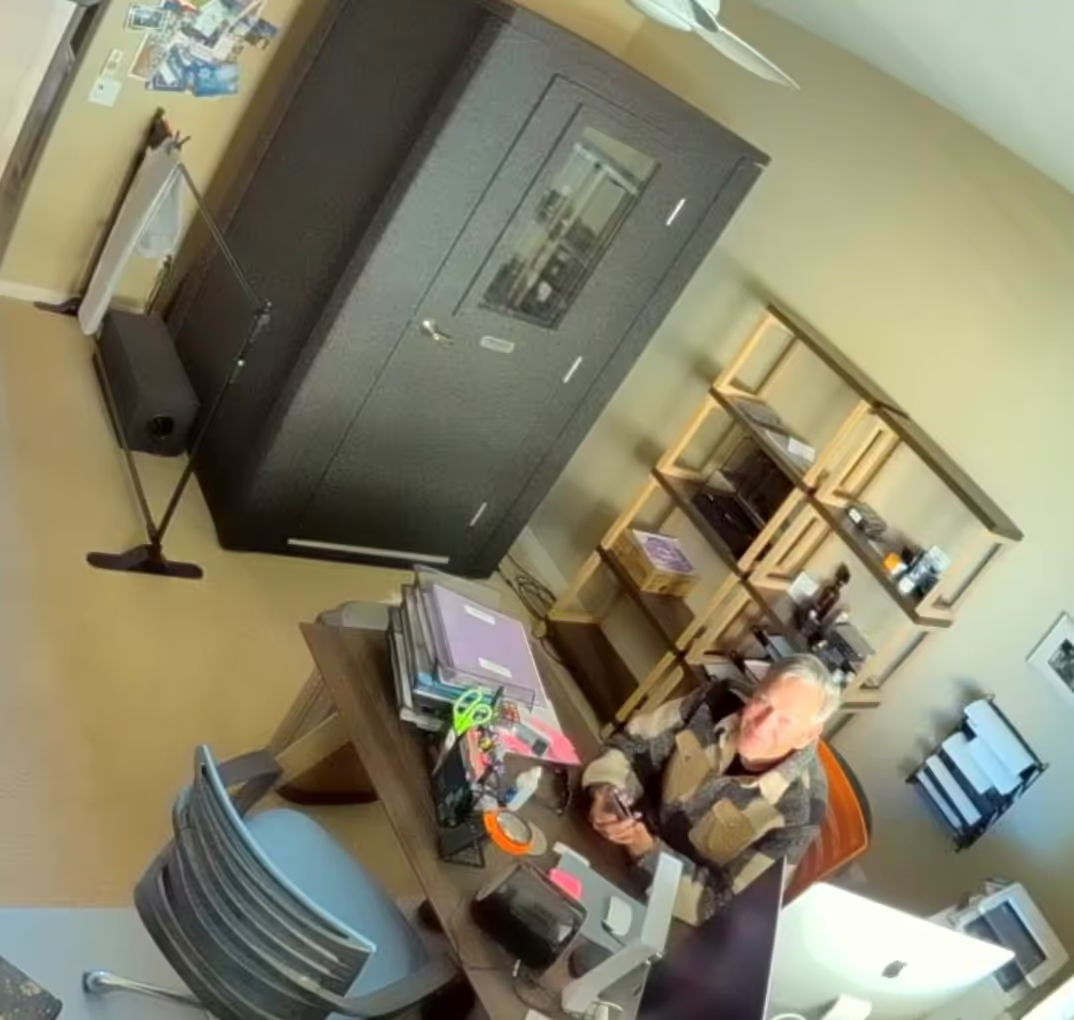
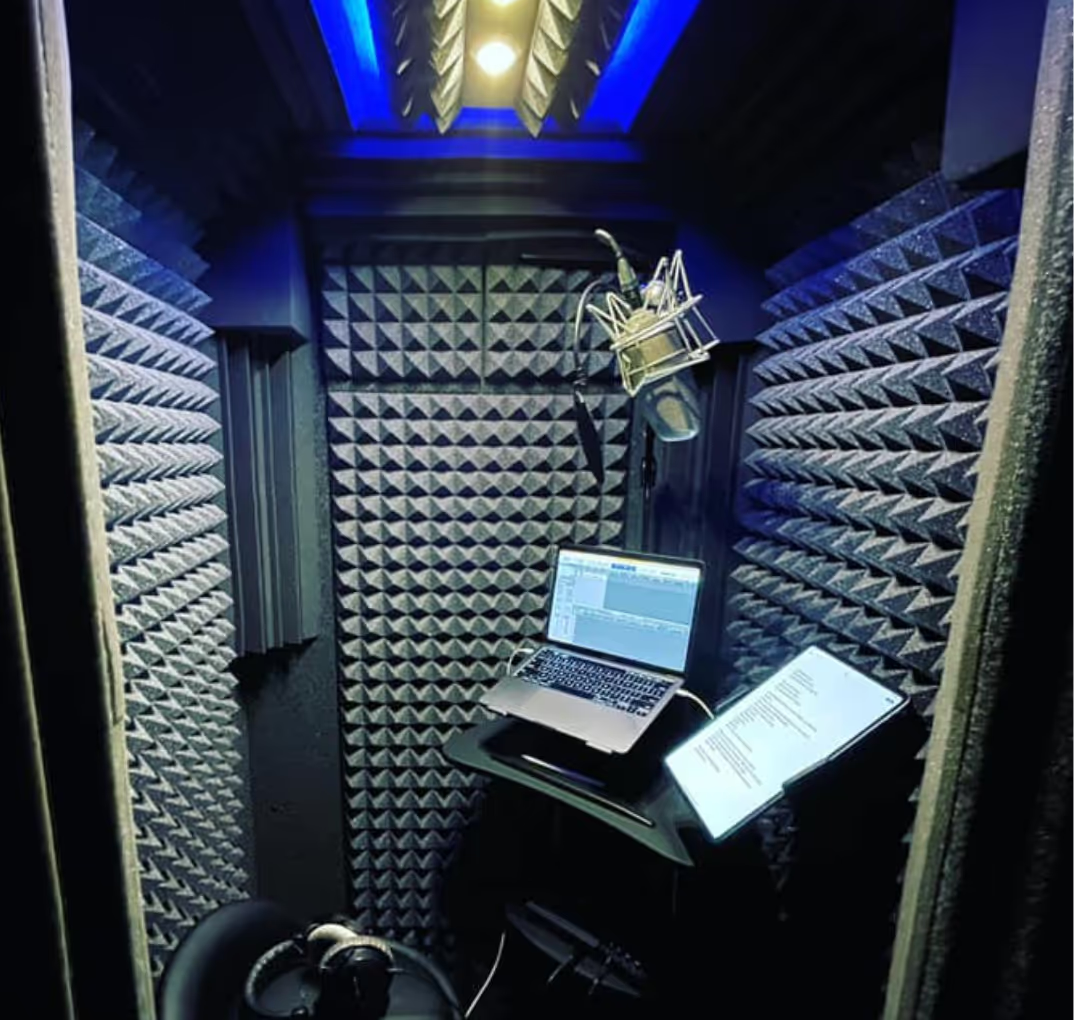
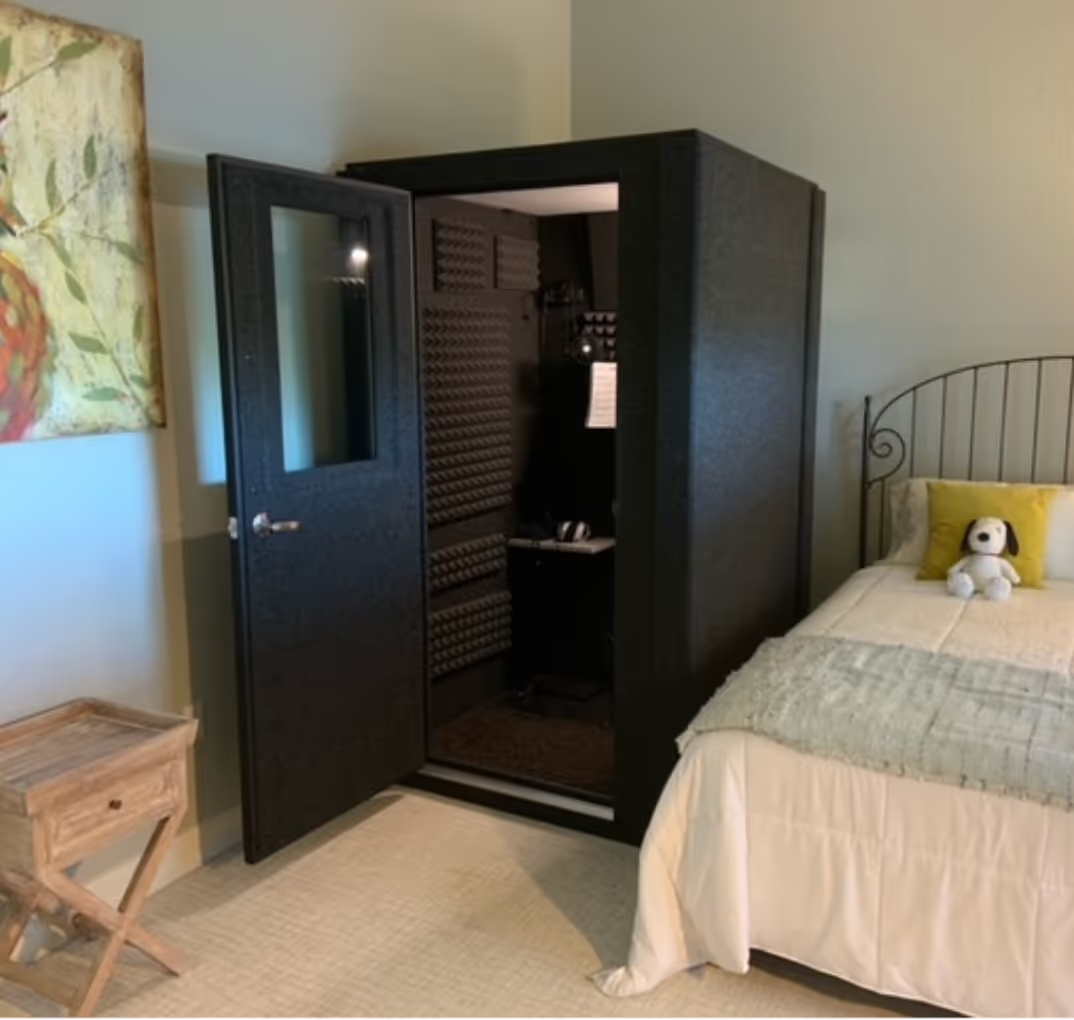
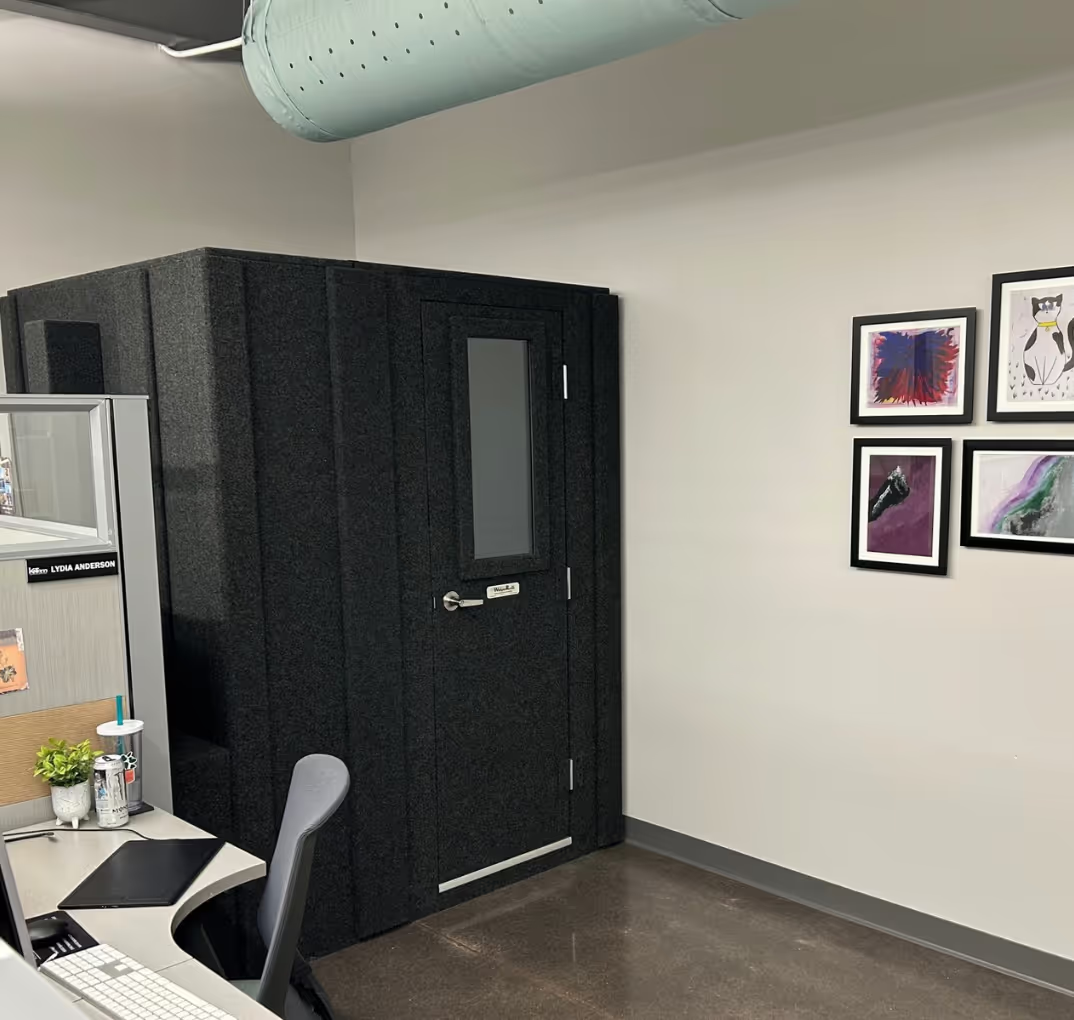
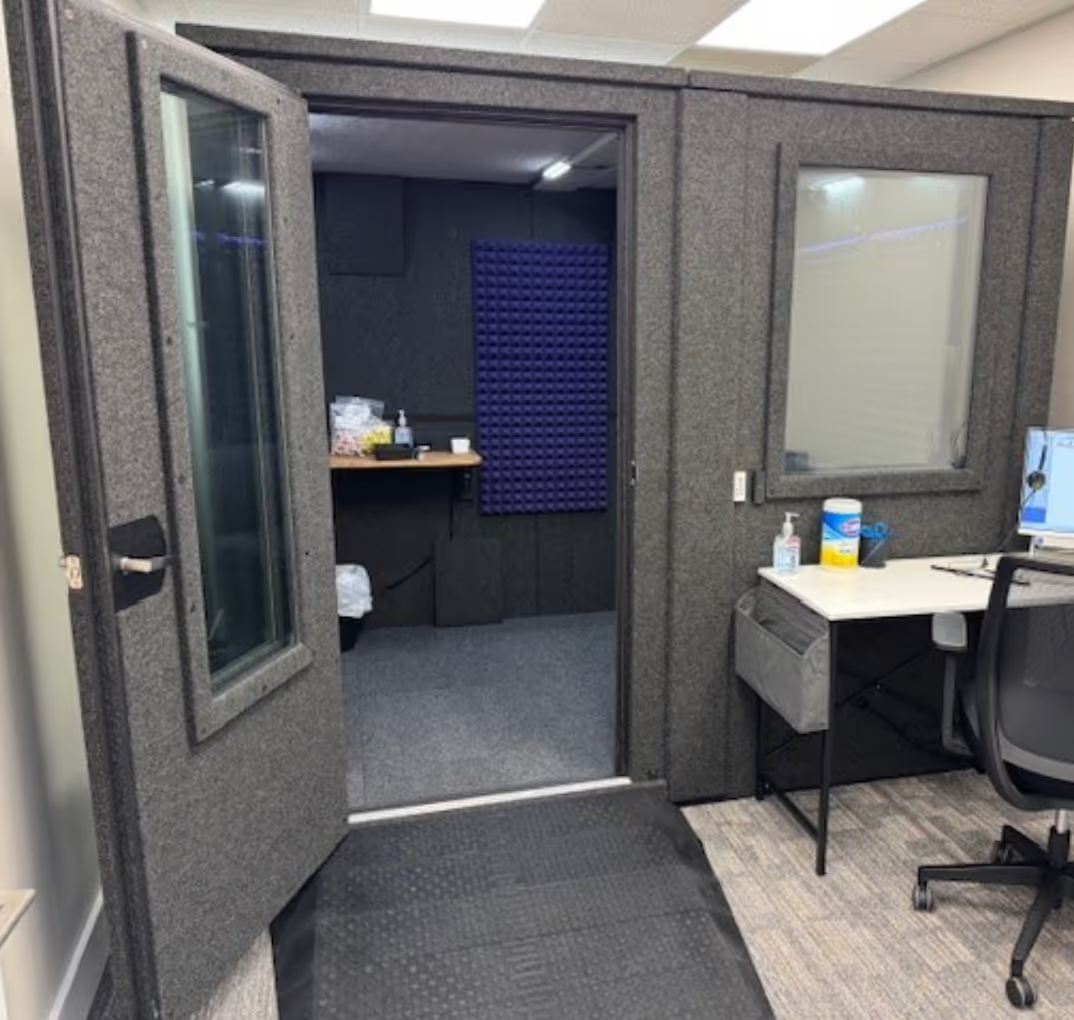
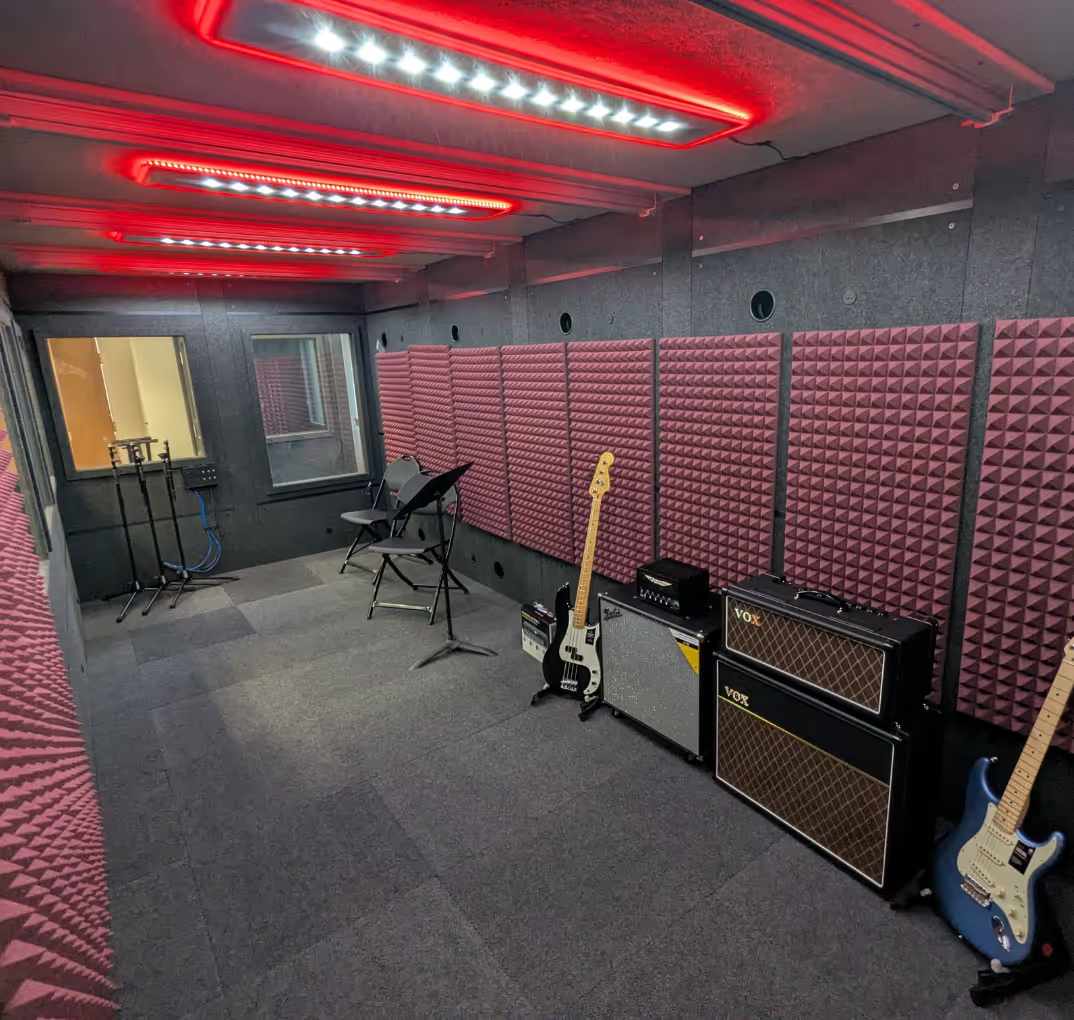
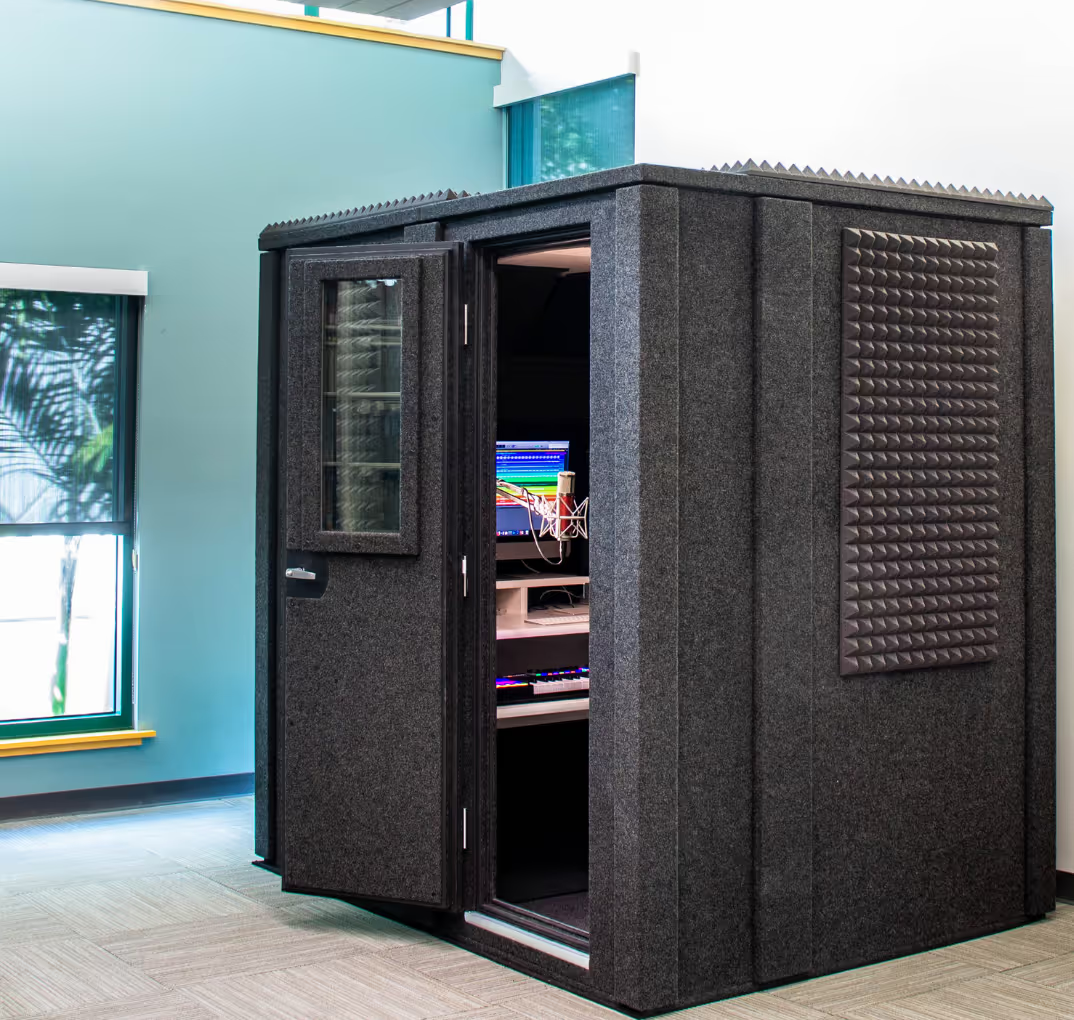
WhisperRoom booths are built using dense modular wall panels with sealed seams and optional double-wall isolation.
DIY builds can approach isolation performance with:
- Double drywall
- Mass loaded vinyl
- Decoupled framing
- Floating floors
At that point, cost and complexity rise quickly.
Time and Effort Comparison
DIY Build Effort
Planning phase:
- Research materials
- Watch tutorials
- Measure space
- Design structure
Build phase:
- Cut panels
- Install insulation
- Seal seams
- Install door
- Attempt ventilation
Troubleshooting:
- Air leaks
- Heat buildup
- Fan noise
This often stretches across weekends or weeks to make.
For a real-world example of the construction process involved, this detailed DIY voiceover booth build documents the framing, insulation, and structural work required from start to finish.
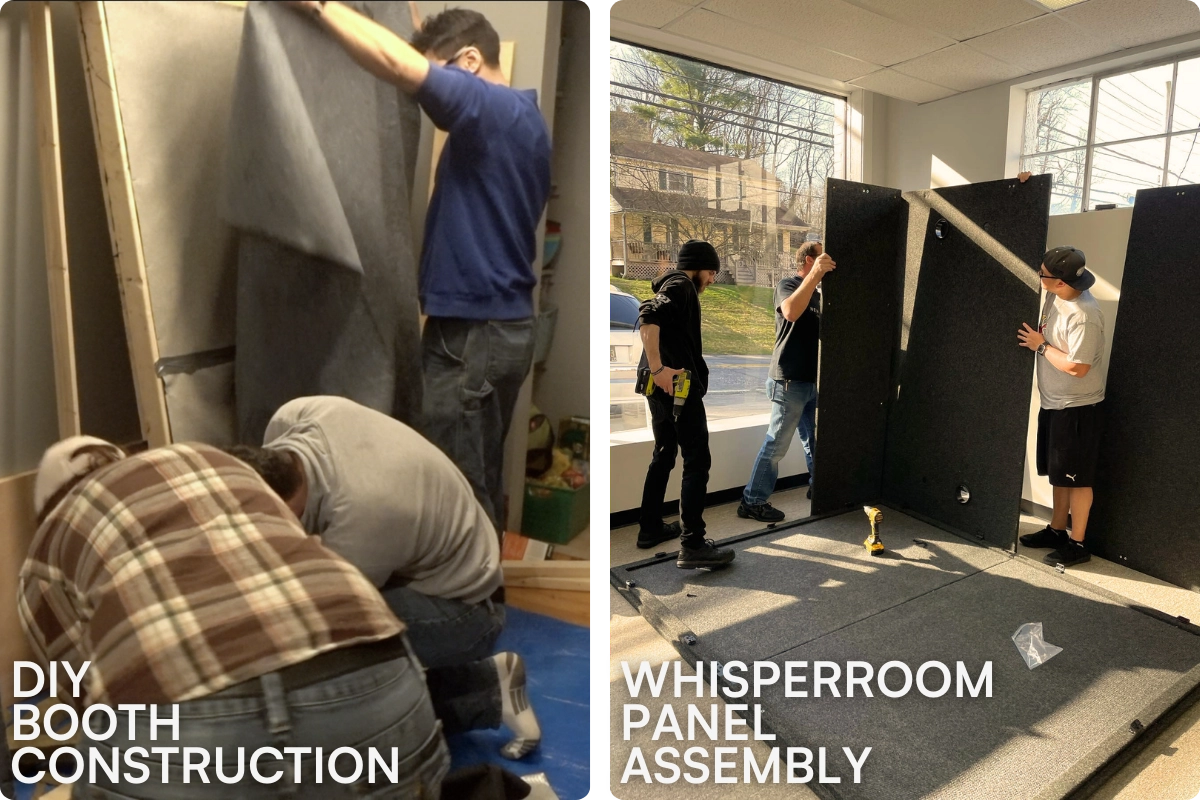
WhisperRoom Setup
- Booth arrives palletized
- Panels bolt together from inside
- Tools included
- Most models assemble in a few hours
No framing. No drywall. No construction hassle.
If you are unsure which route makes sense for your room and noise level, our team can help you evaluate realistic isolation expectations before you invest time or materials.
👉 Talk with a WhisperRoom Product Representative
Ventilation: The Overlooked Factor
One of the biggest DIY problems is airflow.
A sealed booth without ventilation becomes:
- Hot
- Uncomfortable
- Hard to record in
Adding a fan introduces noise.
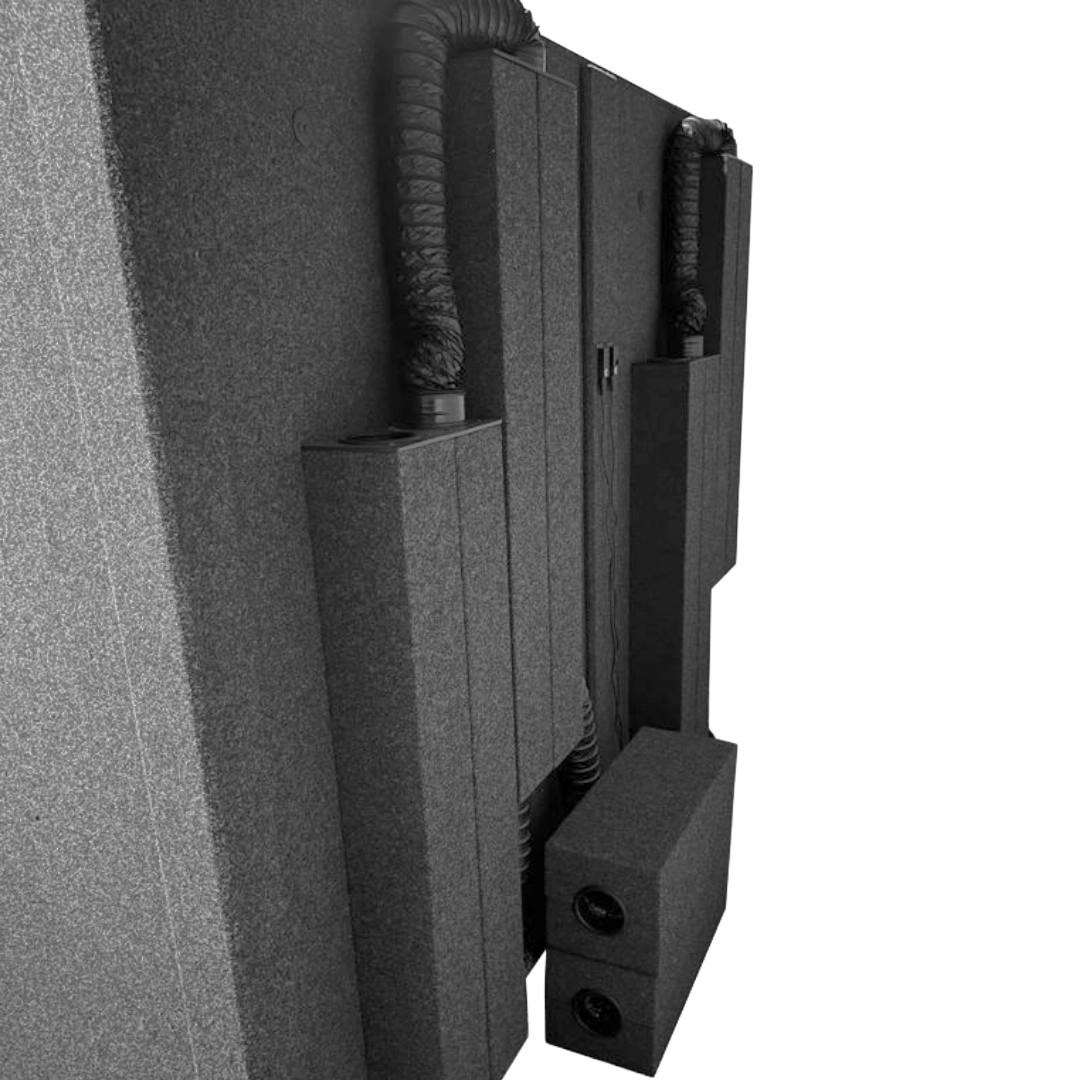
WhisperRoom offers:
- Multi-speed control
- Ventilation Silencing System
- Exterior Fan Silencer
Ventilation can run during recording sessions. This is hard to achieve in DIY builds without significant trial and error.
Pros and Cons: DIY vs WhisperRoom
DIY Vocal Booth
Pros
- Lower upfront material cost
- Customizable if you have construction skills
- Good learning experience
Cons
- Isolation performance varies
- Time intensive
- Hard to relocate
- Ventilation challenges
- Lower resale value
- No support
WhisperRoom
Pros
- Engineered sound isolation
- Modular and expandable
- Relocatable
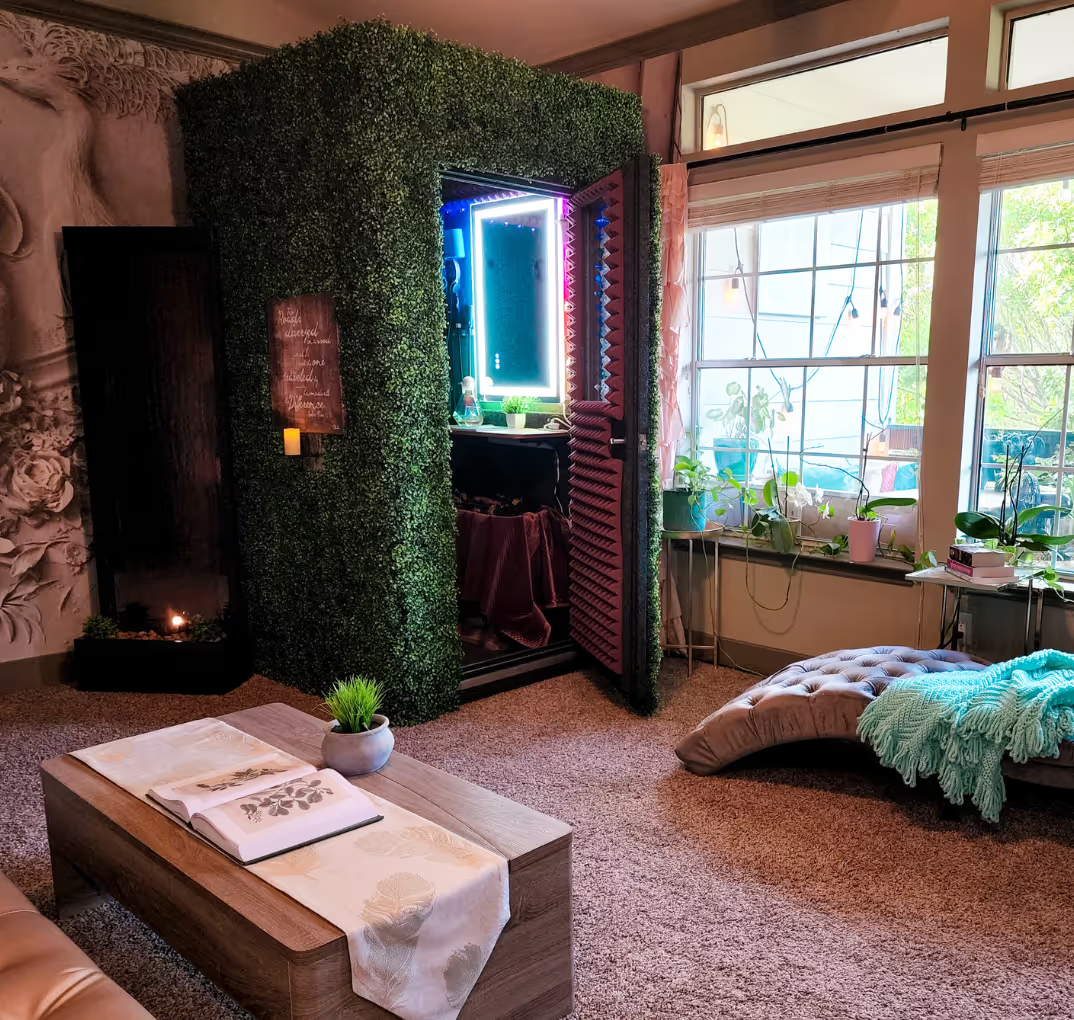
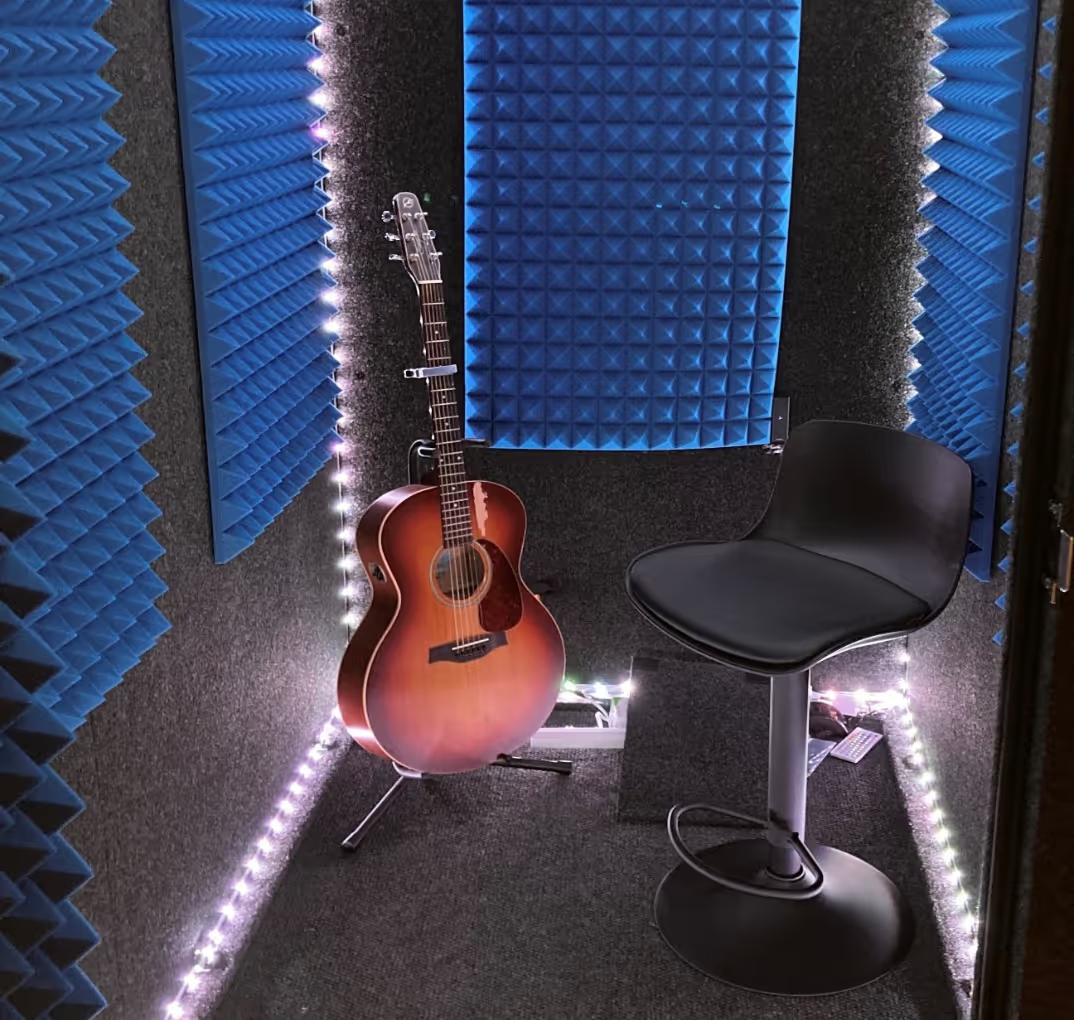
- Professional aesthetic
- Ventilation solutions available
- Customer support
- Proven track record - WhisperRoom has been manufacturing modular sound isolation booths for over three decades, with thousands installed worldwide.
Cons
- Higher upfront cost
What About Long-Term Value?
Consider this scenario:
You build a DIY booth for $2,000
Two years later:
- You move
- You upgrade rooms
- You want stronger isolation
- You need ADA accessibility
- You need more space
Most DIY booths are demolished or abandoned because they are custom-built into a single room.
It is also important to understand what it takes to truly match isolation performance.
A professionally installed double drywall + mass loaded vinyl + decoupled framing booth can easily exceed $4,000–$6,000 in materials alone before ventilation is solved.
Once labor, mistakes, and airflow solutions are added, costs rise quickly.
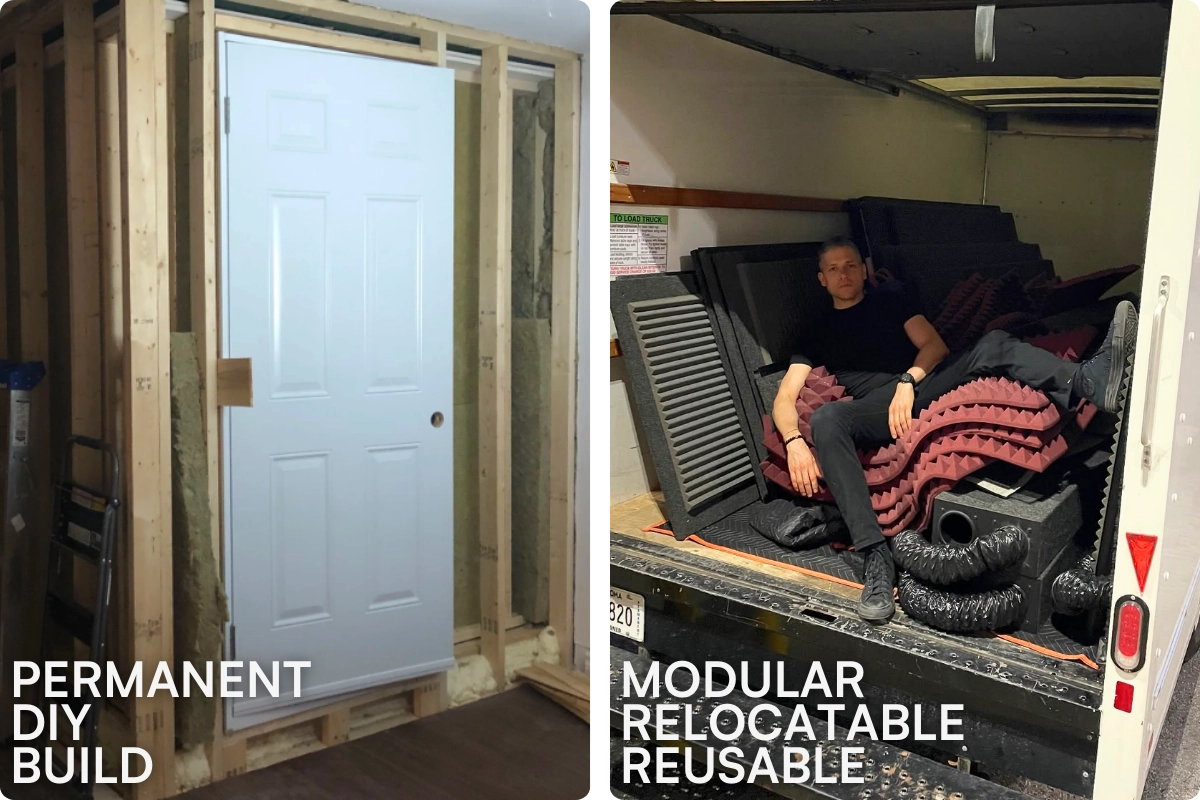
A WhisperRoom, by contrast, can be:
- Disassembled
- Reconfigured
- Expanded
- Sold
Long-term flexibility matters. Portability matters. Resale value matters.
Over five to ten years, the total ownership cost of rebuilding, modifying, or abandoning a DIY structure can exceed the cost difference between a permanent build and a modular system.
Frequently Asked Questions
Does DIY isolate as well as a professional booth?
In most cases, no. DIY booths focus on absorption, not engineered isolation. True sound isolation requires mass, sealing, and decoupling.
What about ventilation in a DIY booth?
Ventilation is often the weakest point in DIY builds. Adding airflow typically adds noise. Professional booths include engineered silencing systems.
How heavy is a WhisperRoom?
Total weight varies by size and model, individual panels typically weigh between 79 and 120 pounds. Two people can assemble most models comfortably.
Is a WhisperRoom worth it for a home studio?
If you need consistent isolation, portability, and long-term reliability, many professionals find the investment worthwhile compared to rebuilding or upgrading DIY solutions later.
Is a DIY vocal booth cheaper in the long run?
Not always. While material costs can be lower initially, time investment, ventilation upgrades, relocation limitations, and potential rebuilds can increase total ownership cost over time.
Can I finance a WhisperRoom?
Financing options may be available depending on configuration and region. Speak with a product representative for details.
Quick Decision Guide
Choose DIY if:
- You enjoy construction projects
- You are recording in a relatively quiet space
- Budget is your primary constraint
- You do not need portability (for permanent builds) or resale value
Choose WhisperRoom if:
- You record professionally or frequently
- You need isolation from HVAC, street, or shared wall noise
- You want a modular, relocatable solution
- You value time, predictability, and engineered performance
Final Verdict: DIY vs WhisperRoom
DIY booths can reduce echo and may isolate noise if built correctly and used in quiet environments.
WhisperRoom booths are engineered isolation systems designed to block sound, manage ventilation, and perform consistently over time.
If your goal is occasional hobby recording in a quiet environment, a DIY booth may be sufficient.
If your goal is professional audio in a controlled environment, investing in a purpose-built isolation booth often saves time, frustration, and long-term cost.
The right choice depends on your expectations, your environment, and how seriously you take your sound.
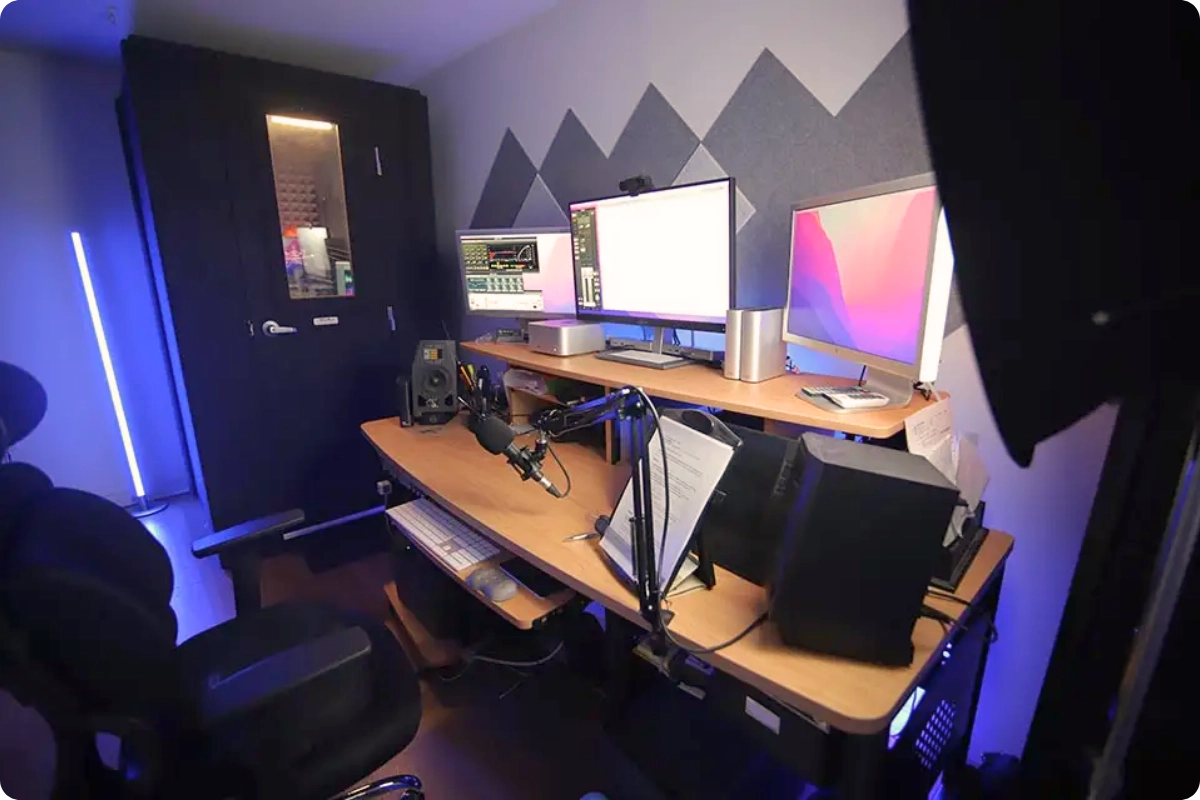
Talk With a Product Specialist About Your Room
Not sure which direction makes sense?
Tell us about:
- Your room size
- Your noise challenges
- Your recording goals
- Your budget range
Our team can walk you through realistic options for your space.


.avif)
.avif)
.avif)

.avif)
.avif)

.avif)
.avif)
.avif)
.avif)
.avif)
.avif)
.avif)
.avif)
.avif)
.avif)
.avif)
.avif)
.avif)
.avif)

.avif)
.avif)



.avif)