Shop for a quieter space and the jargon arrives first. Decibels. STC. NRC. Single wall. Double wall.
Here’s what those terms actually mean, how sound isolation works, and how to read the numbers WhisperRoom publishes for its booths.
Why Reduce Sound Instead of Trying to Eliminate It?
No practical acoustic enclosure eliminates every sound at every frequency.
Sound can travel through walls, doors, floors, ceilings, ventilation paths, gaps, and structural connections. The goal is sound reduction: reducing transmission enough that outside noise no longer interferes with your work, or sound inside the booth no longer causes a problem outside it.
That is why WhisperRoom describes its booths in terms of sound isolation and noise reduction rather than promising complete silence.
If you want a deeper explanation of the difference between blocking sound and treating sound inside a room, read our guide to sound treatment vs. sound isolation.
What Are the Two Jobs?
Most acoustic problems come down to two different jobs: isolation and absorption.

Isolation
Sound isolation reduces sound moving from one space to another.
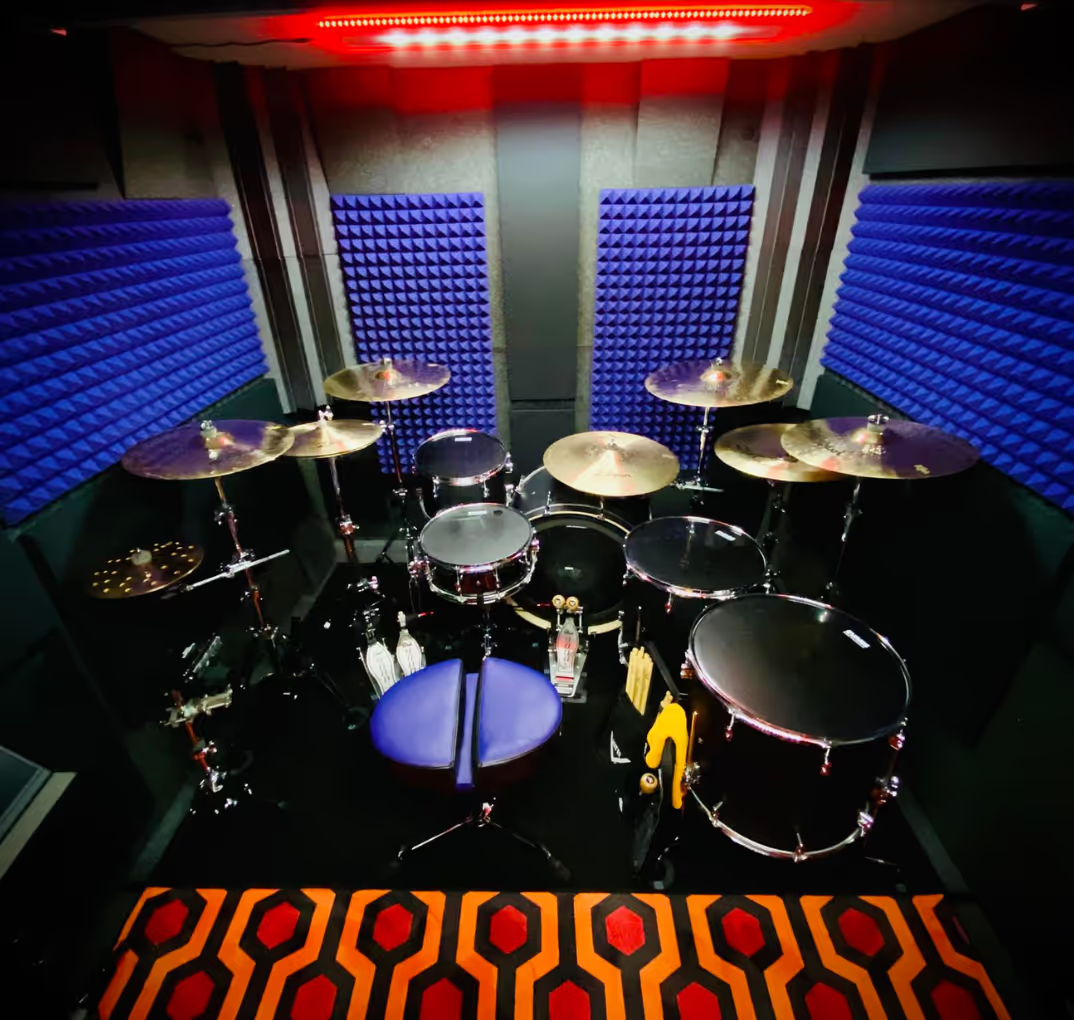
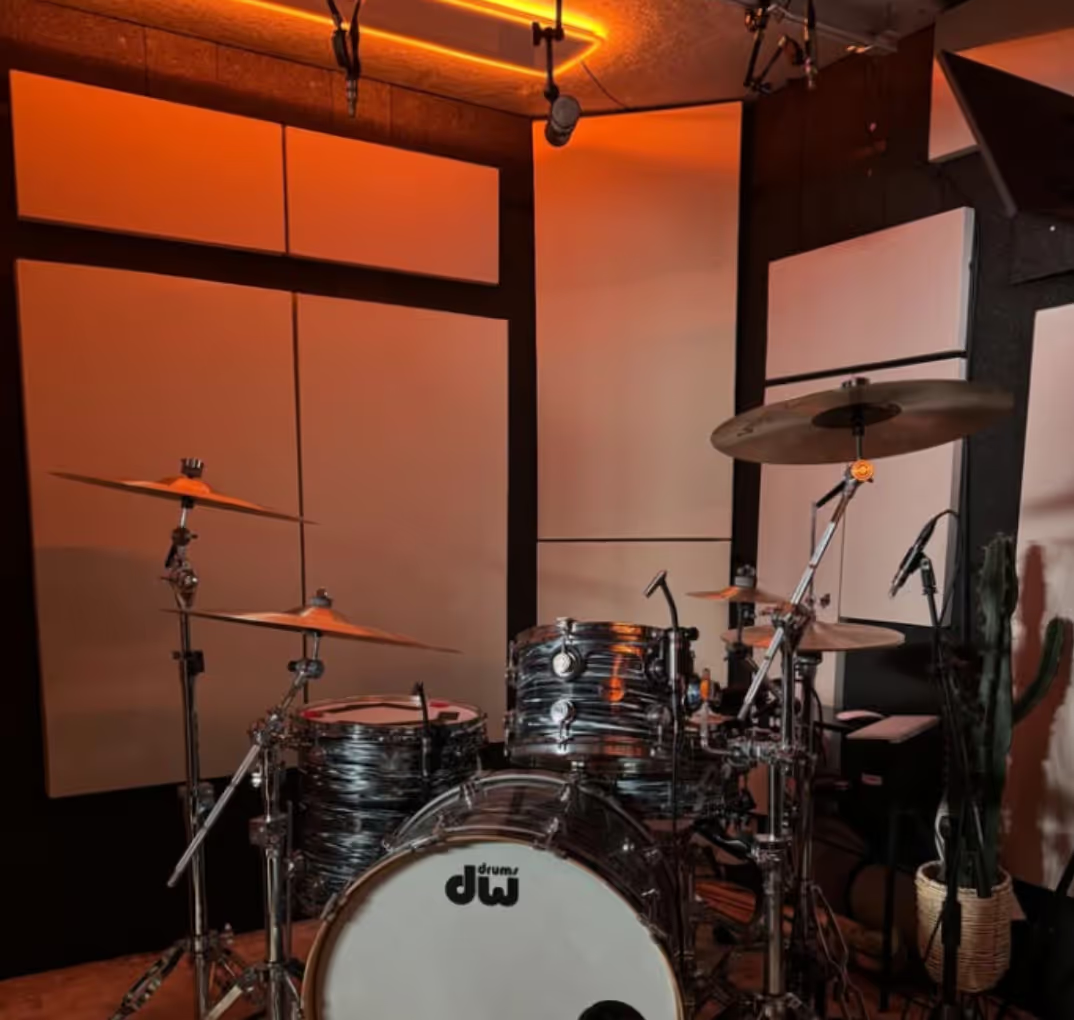
It can help keep traffic noise out of a recording, improve speech privacy during a therapy session, or reduce how much of a drum kit is heard in the next room.
Absorption
Absorption controls how sound behaves inside a space.
Porous acoustic materials reduce reflections, standing waves, and flutter echo so speech and music sound cleaner and more controlled.
The important distinction is simple: Absorption does not equal isolation.
Acoustic foam can improve the sound inside a room, but it does very little to stop a lawnmower, traffic, HVAC system, or neighbor from being picked up by a microphone.
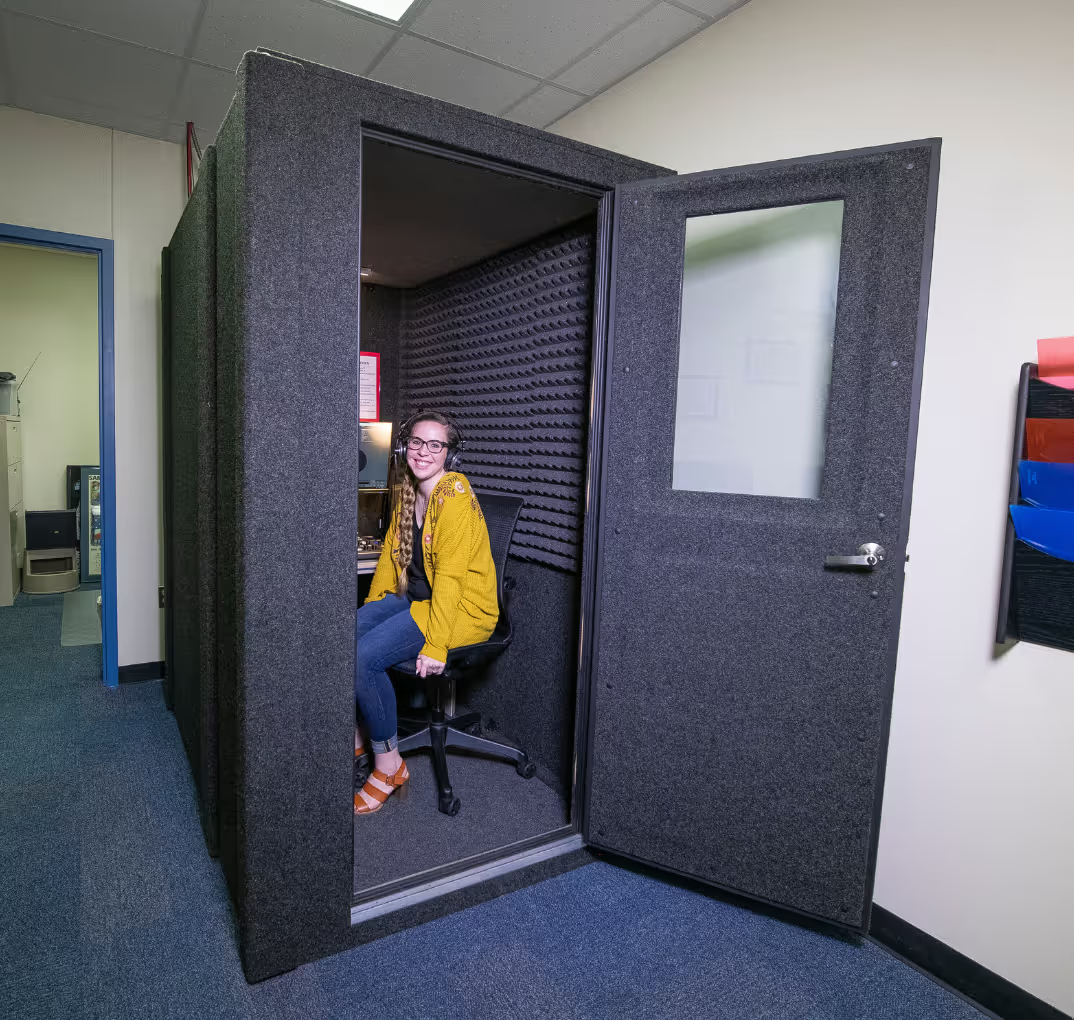
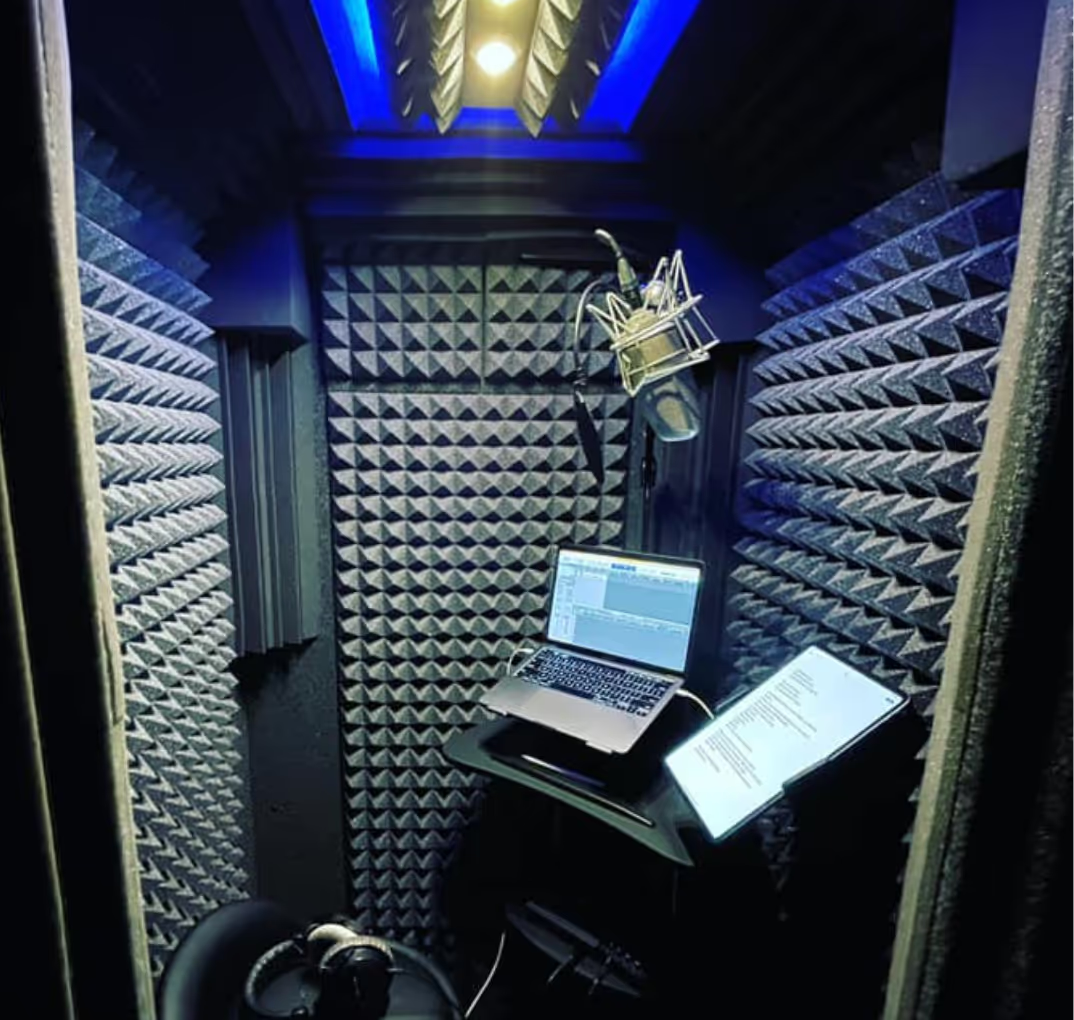
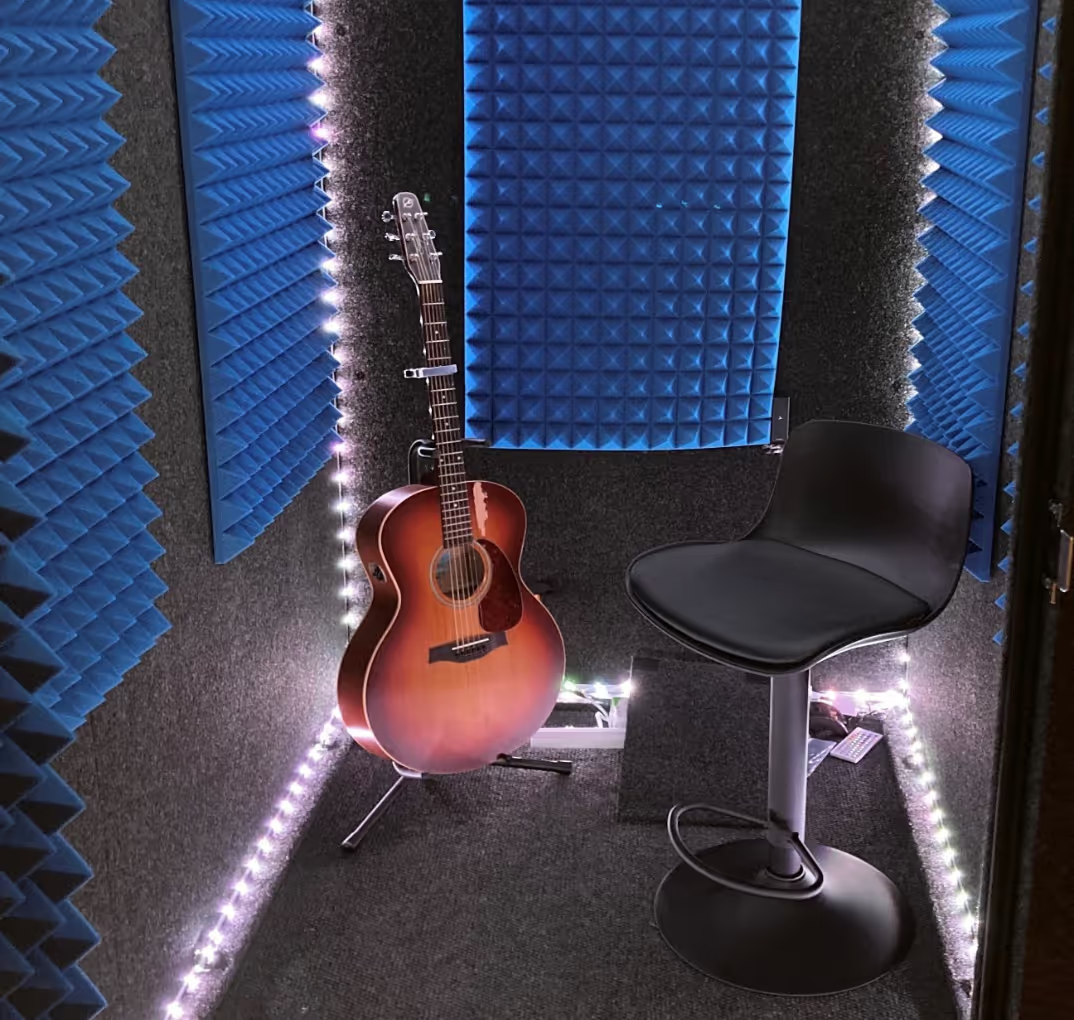
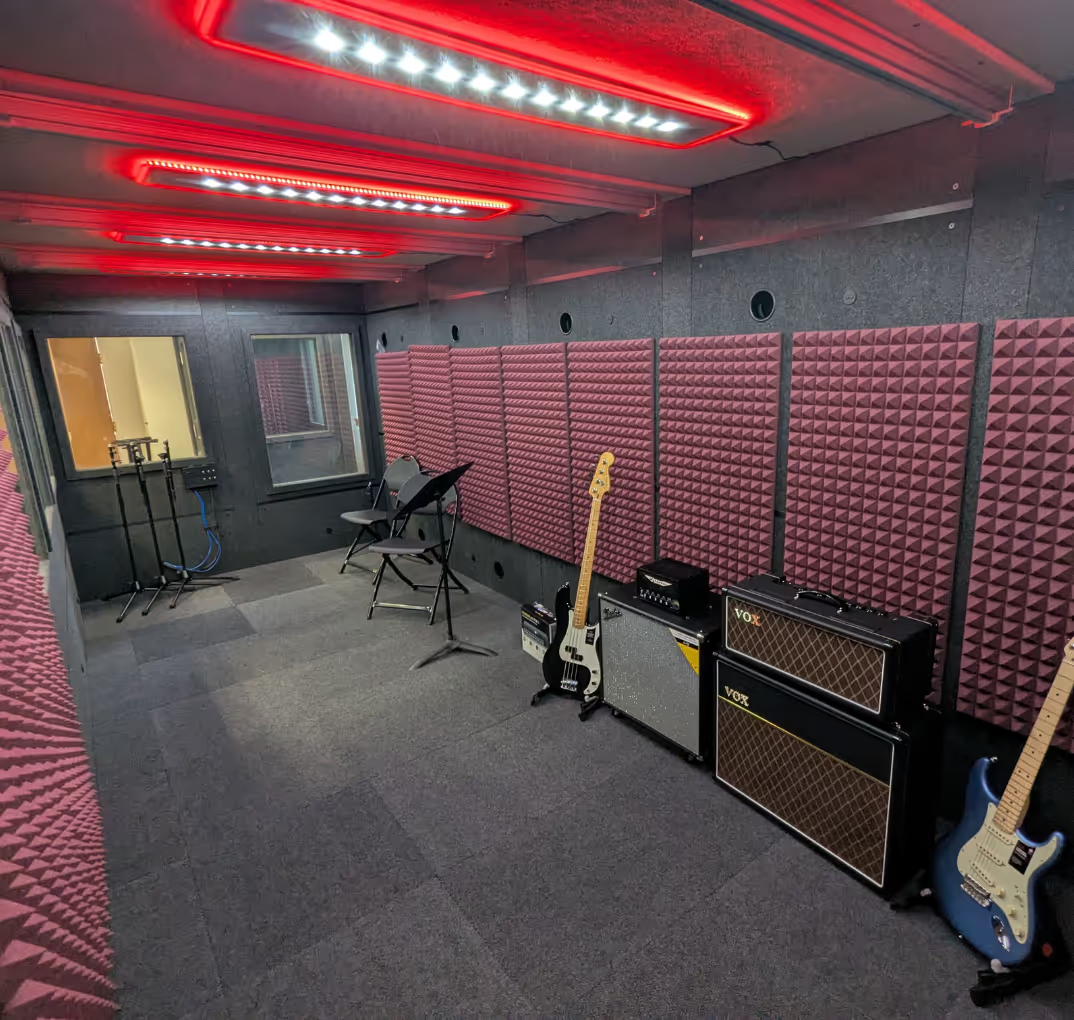
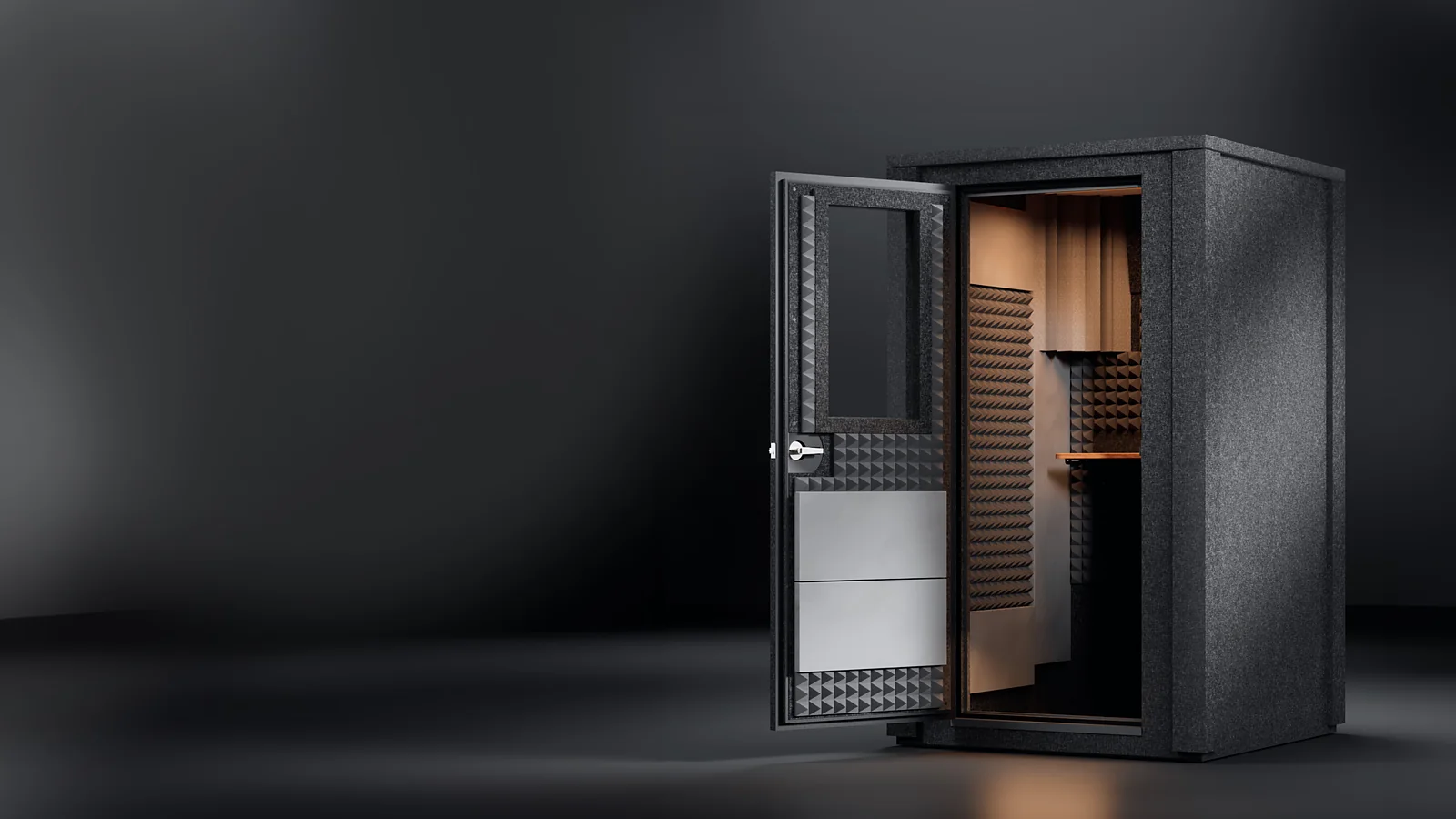
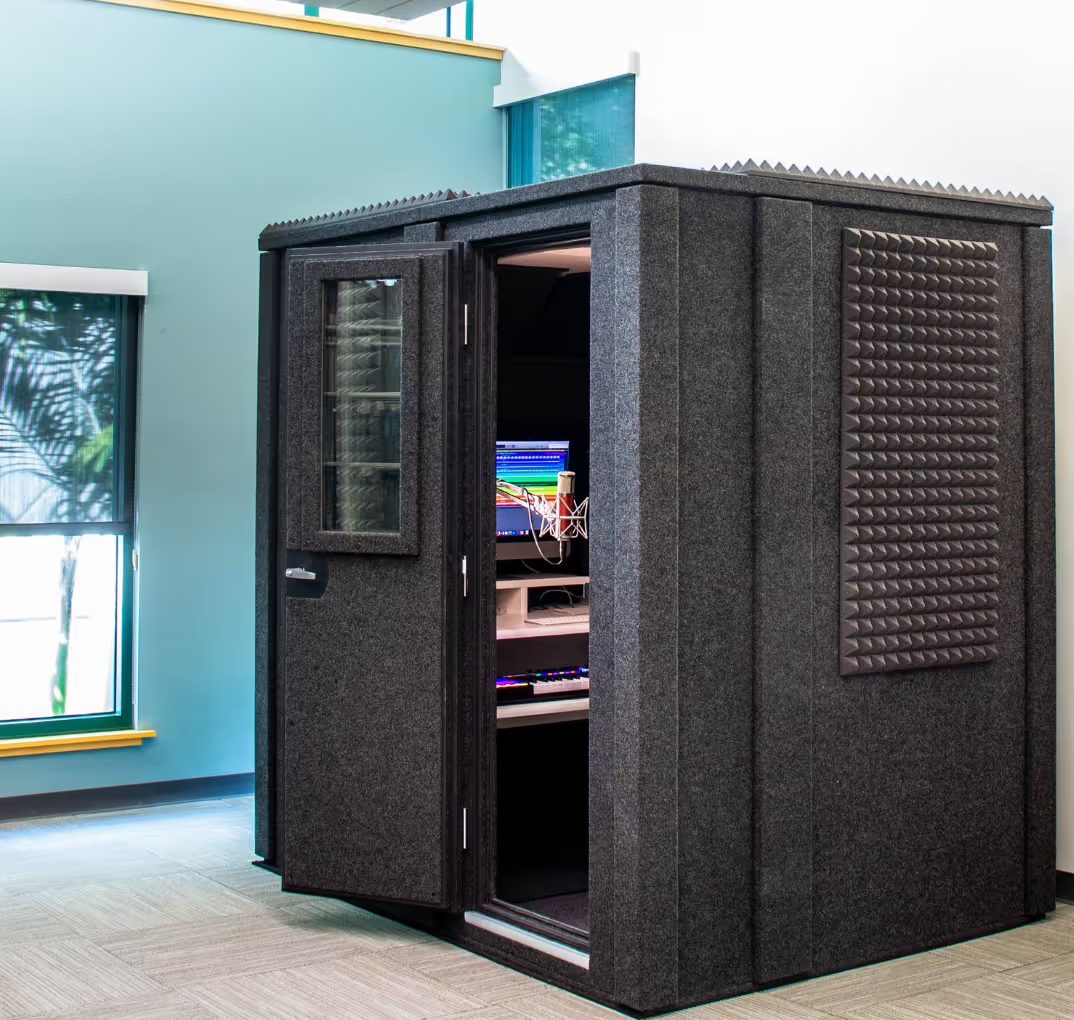
A WhisperRoom addresses both jobs. The enclosure is designed to reduce sound transmission, while interior acoustic treatment helps control reflections inside the booth. WhisperRoom booths include 2' x 4' Auralex Studiofoam sheets, and additional acoustic treatments such as Audimute panels and LENRD Bass Traps are available for users who need more interior control.
Audimute acoustic panels offered by WhisperRoom carry an NRC rating of 0.95.
What Are the Three Main Parts of Sound Isolation?
Effective sound isolation is not created by one material. It comes from several physical principles working together.
Three of the most important are mass, sealing, and separation.
Mass
Heavier, denser materials are harder for sound energy to move.
A thin, lightweight surface vibrates more easily and can pass more sound to the other side. Increasing mass makes that movement more difficult.
That is one reason a built enclosure can reduce sound much more effectively than a curtain, blanket, or lightweight partition.
Sealing
Sound will use the easiest path available.
A heavy wall loses much of its value if sound can escape through gaps around a door, window, vent, or cable opening.
That is why isolation systems have to be treated as complete enclosures rather than collections of individual panels.
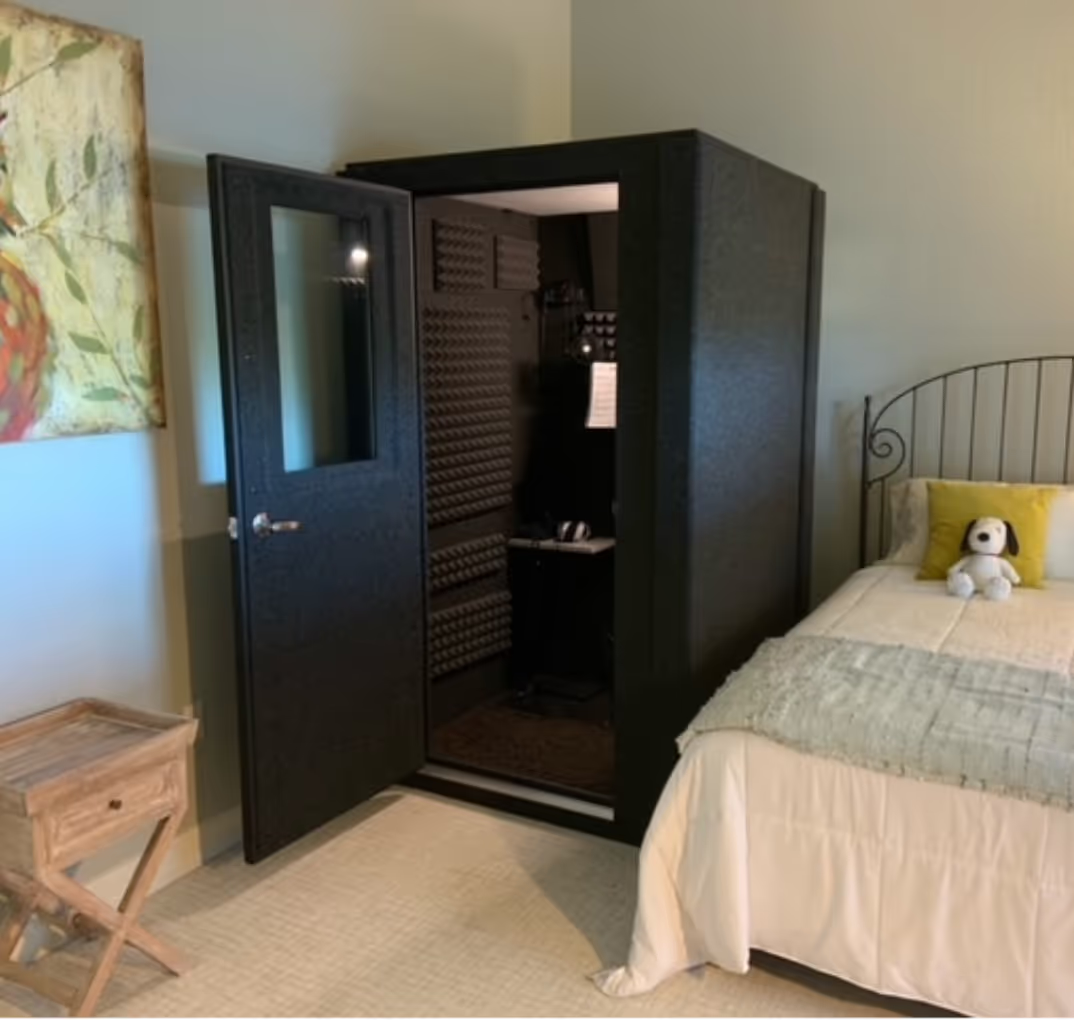
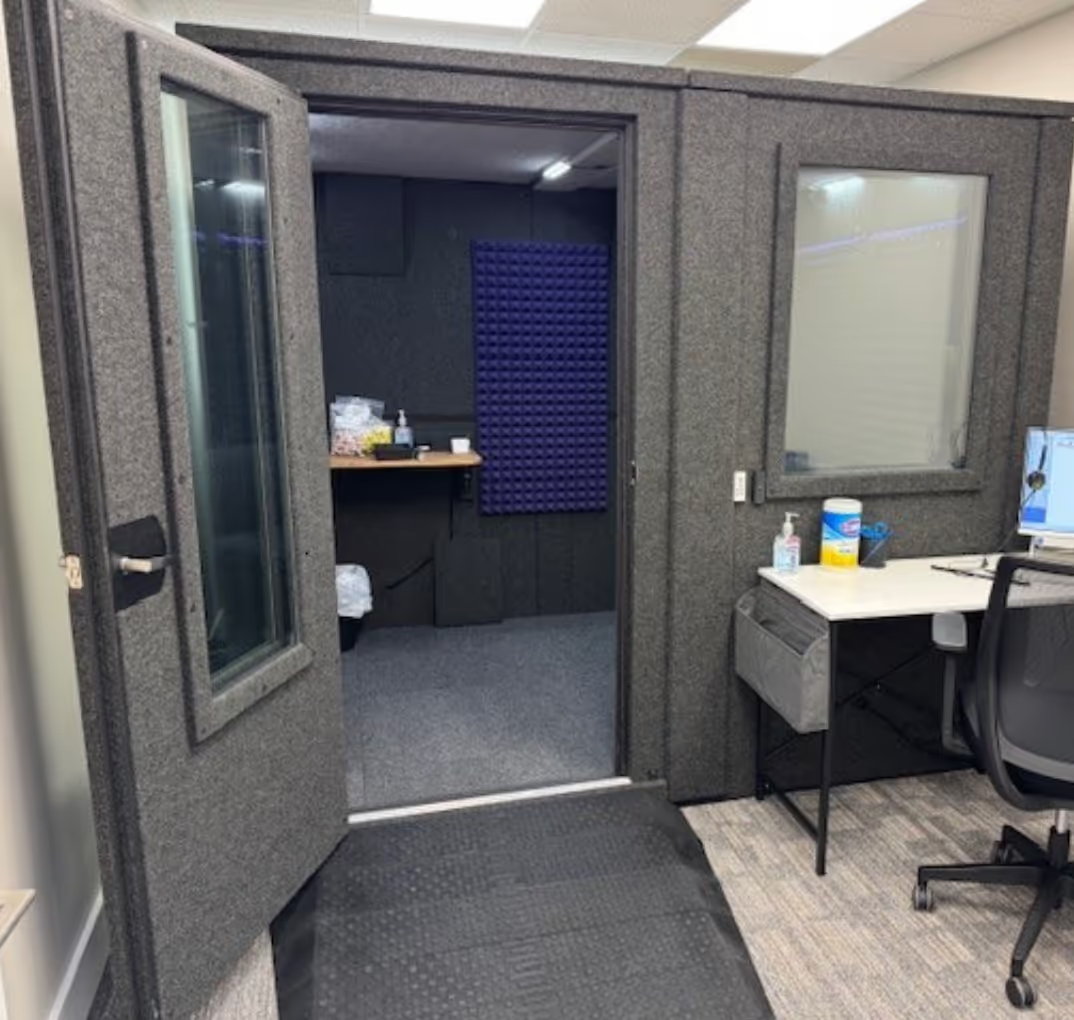
WhisperRoom doors are sealed, door windows use double-pane 1/4" laminated safety glass, and cable passages use slotted rubber plugs that close around cables instead of leaving an open hole.
Separation
Separation, sometimes called decoupling, reduces the direct path that vibration can take from one surface to another.
WhisperRoom Enhanced models use a double-wall construction with separated layers and an air space between components. That additional separation is one reason Enhanced booths can provide greater sound reduction than Standard models, especially at many mid and higher frequencies.
For a deeper look at the tradeoffs between the two series, see our guide to single-wall vs. double-wall booths.
What Do dB, STC and NRC Mean?
These three measurements are often grouped together, but they describe different things.
dB: How Loud Is It?
dB, or decibels, describes sound level.
When WhisperRoom publishes a noise reduction figure in decibels, it is describing the measured difference in sound level between two conditions.
For example, a 35 dB reduction means the measured sound level on the receiving side was 35 dB lower under the conditions of that test.
STC: How Well Does an Assembly Reduce Airborne Sound?
STC, or Sound Transmission Class, is a single-number rating used to compare how well walls and other assemblies reduce airborne sound transmission across a range of frequencies.
Higher STC ratings generally indicate greater airborne sound isolation.
STC is not the same thing as a dB reduction at one specific frequency, and the two numbers should not be treated as interchangeable.
NRC: How Much Sound Gets Absorbed?
NRC, or Noise Reduction Coefficient, describes how much sound a material absorbs rather than reflects.
NRC is an absorption rating, not an isolation rating.
A material can have a high NRC and still do very little to stop sound from passing through a wall. That is why absorption products can make a room sound better without necessarily making the room quieter outside.
The easiest way to remember the difference is:
- dB = sound level and measured reduction
- STC = airborne sound isolation rating
- NRC = sound absorption rating
How Much Sound Does a WhisperRoom Reduce?
WhisperRoom publishes measured noise reduction ranges for both its Standard and Enhanced models.
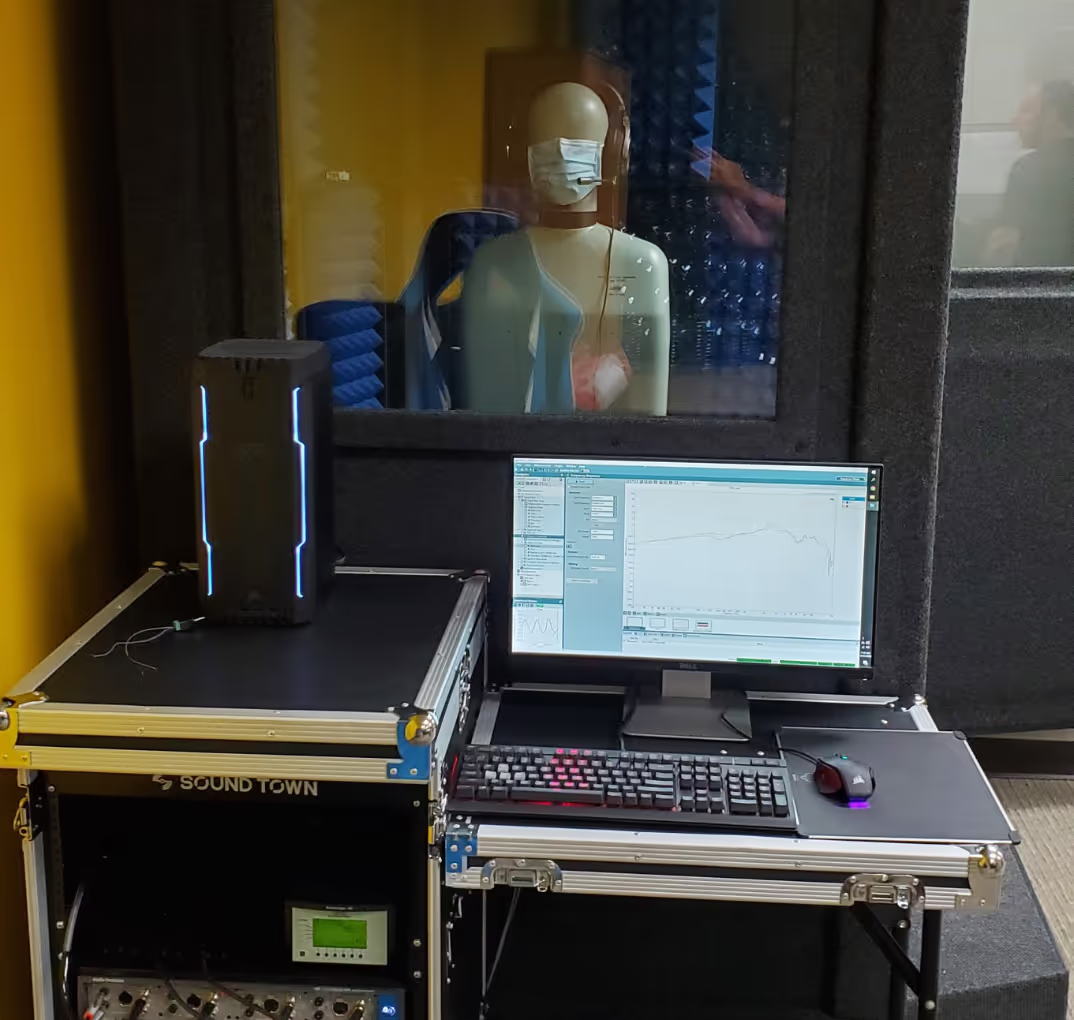
In standardized field testing using ASTM E336:
- Standard models: approximately 32 to 46 dB of noise reduction
- Enhanced models: approximately 33 to 59 dB of noise reduction
Actual performance varies by frequency, booth configuration, installation, and surrounding environment.
The table below shows typical reduction values at six frequencies.
Two things stand out in the table.
First, lower frequencies are harder to isolate. At 125 Hz, the Standard and Enhanced values are very close.
Second, the difference between Standard and Enhanced becomes much larger at higher frequencies. That is where the additional wall construction can have a much more noticeable effect.
ASTM E336 is a field test method used to measure airborne sound attenuation between spaces in buildings. The results apply to the specific conditions and location tested, which is why a published reduction range should be treated as measured performance rather than a guarantee for every room.
How Much Noise Reduction Do You Need?
The answer depends on two things: How loud is the sound source? and How quiet does the surrounding space need to be?
A voice actor recording around normal household noise has a very different requirement from a drummer practicing in a shared building. An office user taking calls needs a different level of isolation than an audiologist measuring very quiet hearing thresholds.
Start with the sound you are trying to control, then consider the room around the booth.
For many voice over, office, recording, and general-purpose applications, a Standard booth can provide plenty of isolation.
For louder sound sources, shared walls, demanding testing environments, or situations where greater reduction is important, an Enhanced booth may be the better starting point.
For a more detailed use-by-use comparison, see our guide to how much noise reduction you need.
Single Wall or Double Wall?


Every WhisperRoom booth size is available in Standard and Enhanced configurations.
The model number identifies the basic size, while the suffix identifies the wall configuration.
For example:
- MDL 4848 S = Standard
- MDL 4848 E = Enhanced
The same idea applies across the WhisperRoom lineup.
The Standard series uses a single-wall construction and works well for many home studios, voice over spaces, offices, classrooms, and other everyday applications.
The Enhanced series adds a second wall and additional separation for environments where more isolation is needed.
You can see that difference in two Voice Over packages built around the same basic footprint:
The Basic package uses a Standard booth, while the Deluxe uses the Enhanced version.
Why Does a Sealed Booth Need Ventilation?
Good sound isolation requires controlling openings.
That creates an obvious problem: people still need fresh air.
Every WhisperRoom includes a ventilation system designed to move air while limiting the direct path sound can take through the enclosure.
Fresh air enters near the floor, while warmer air is pulled out near the ceiling. The ventilation ducts use internal baffles and acoustical foam to create a more difficult path for sound while still allowing airflow.
The remote fan is connected with flexible ducting to help reduce vibration transfer.
WhisperRoom also offers ventilation upgrades for situations where airflow noise needs to be reduced further, including the Ventilation Silencing System and Exterior Fan Silencer.
What About Windows and Cables?
Every opening matters.
A large untreated opening can become a weak point even when the surrounding walls perform well.
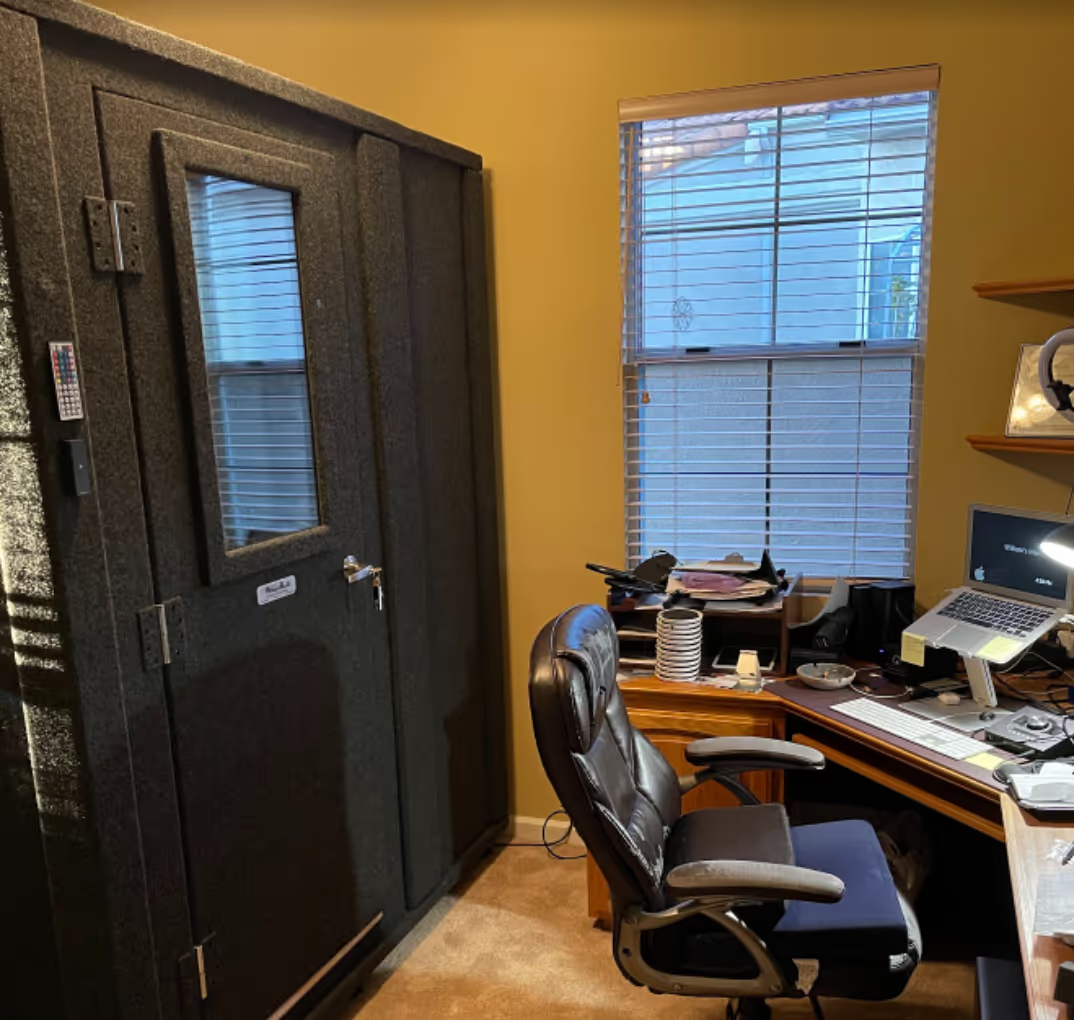
WhisperRoom door windows use double-pane 1/4" laminated safety glass to maintain visibility while helping reduce sound transfer.
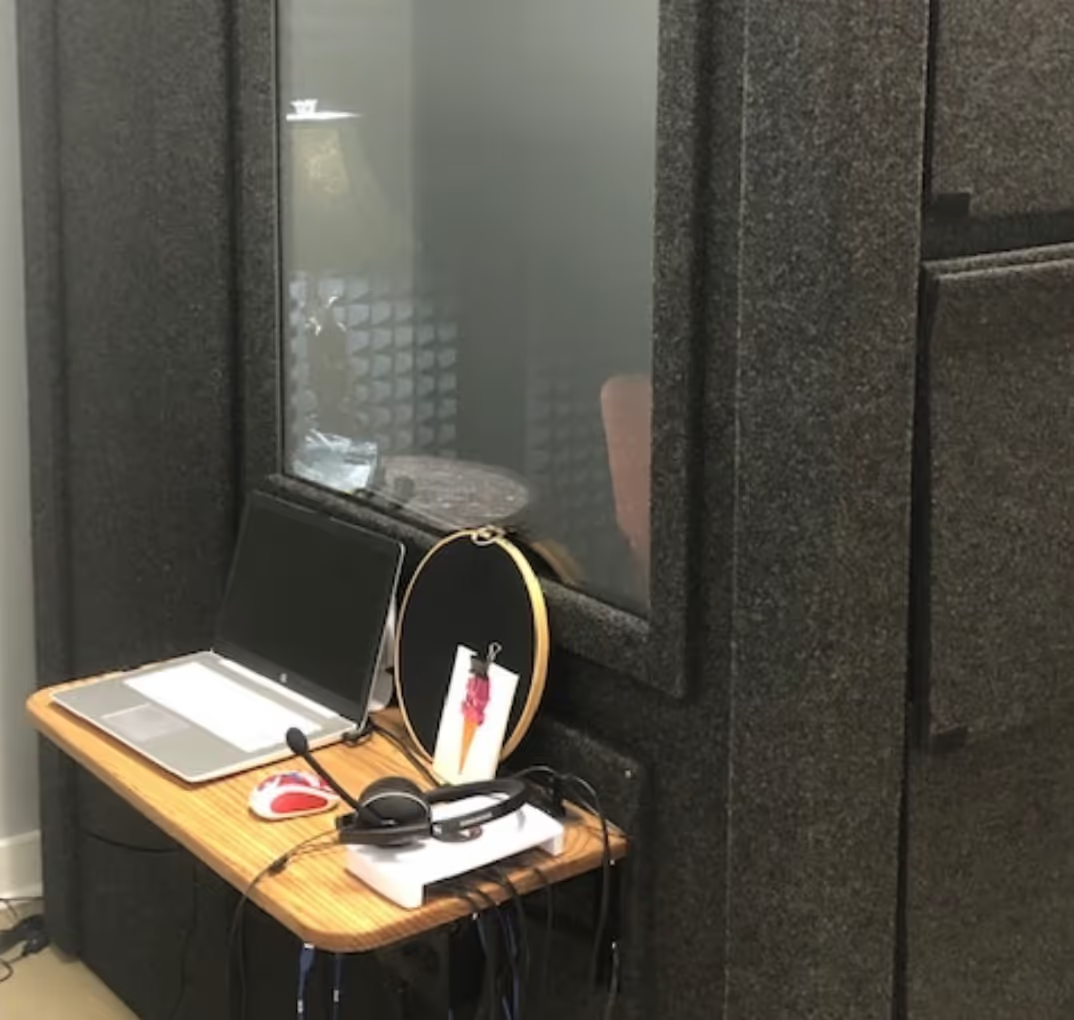
Cable passages use removable slotted rubber plugs, allowing audio, computer, power, and communication cables to pass through without leaving a permanently open hole.
These details may seem small, but sound isolation depends on the enclosure working as a complete system.
Where Does Sound Isolation Matter?
The physics stay the same. The amount of isolation you need changes with the work.
Recording and Podcasting
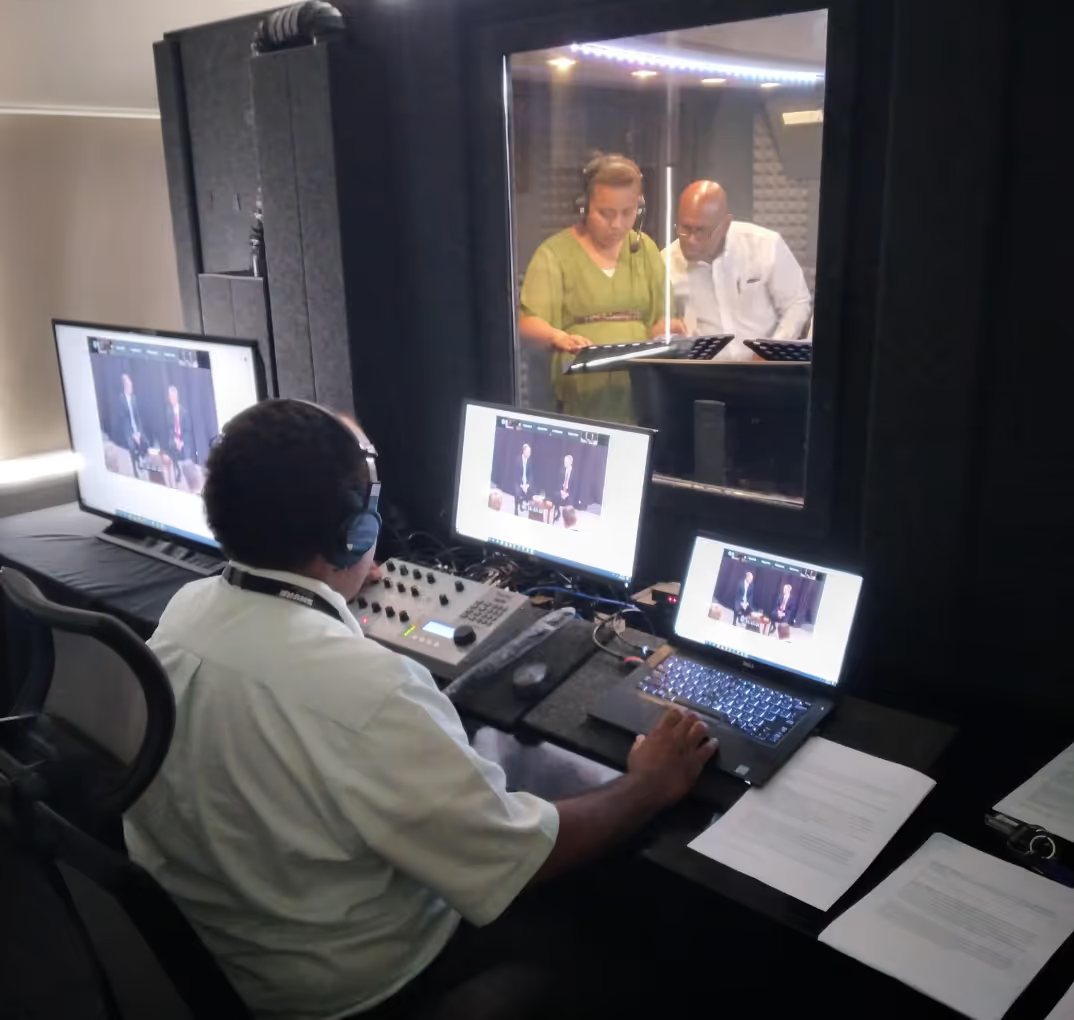
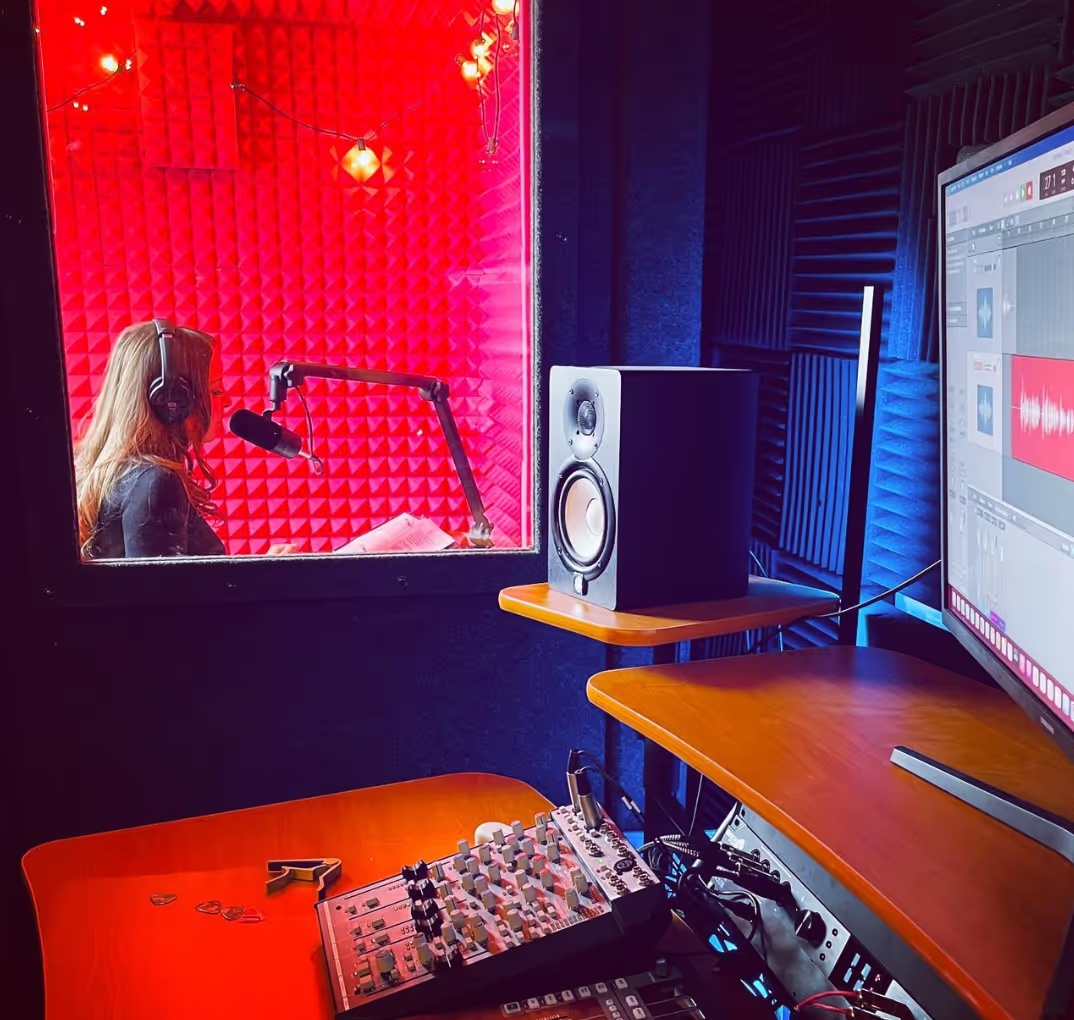
Outside noise can quickly ruin a take. A controlled booth gives microphones a more consistent environment for vocals, instruments, podcasts, and production work.
Voice Over and Audiobooks
Voice actors need low background noise, controlled reflections, and consistency from session to session.
Music Practice
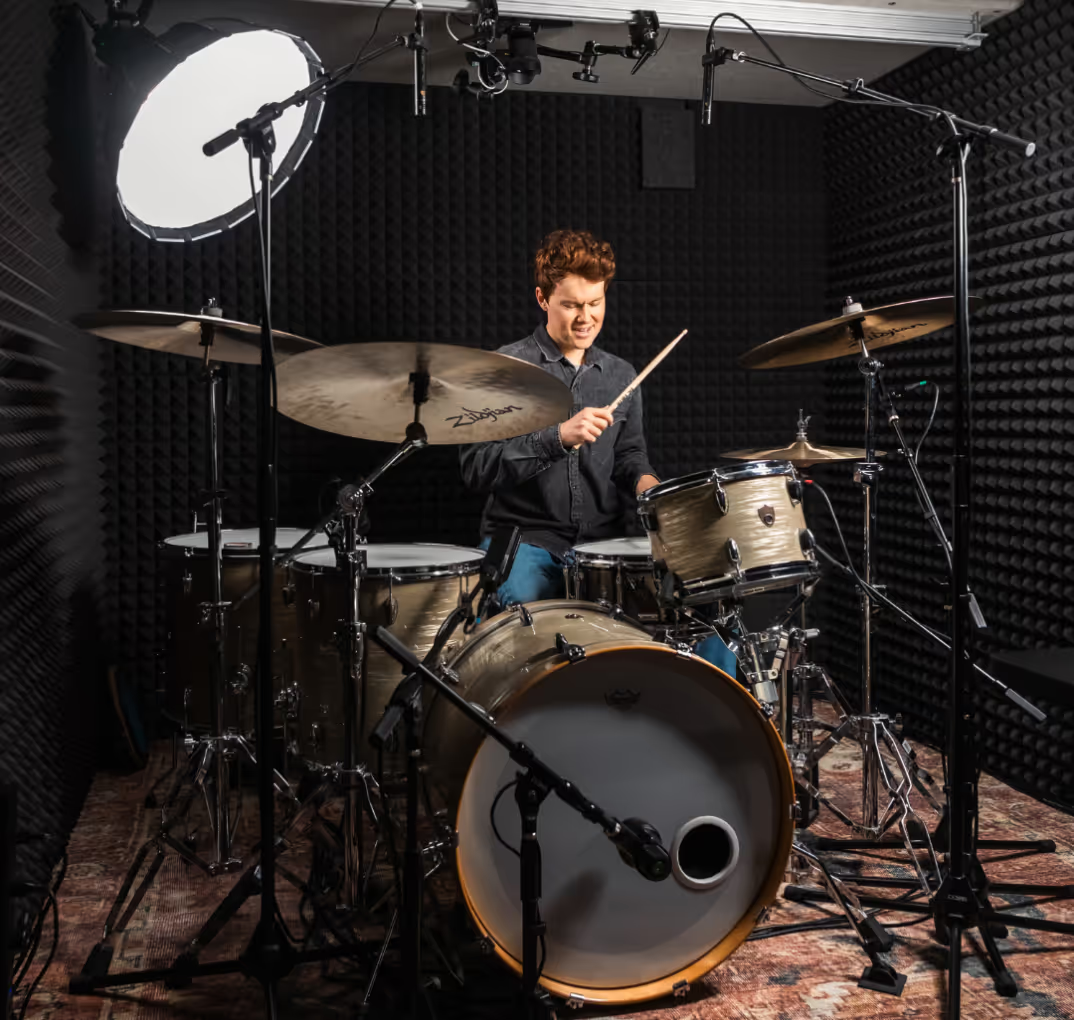
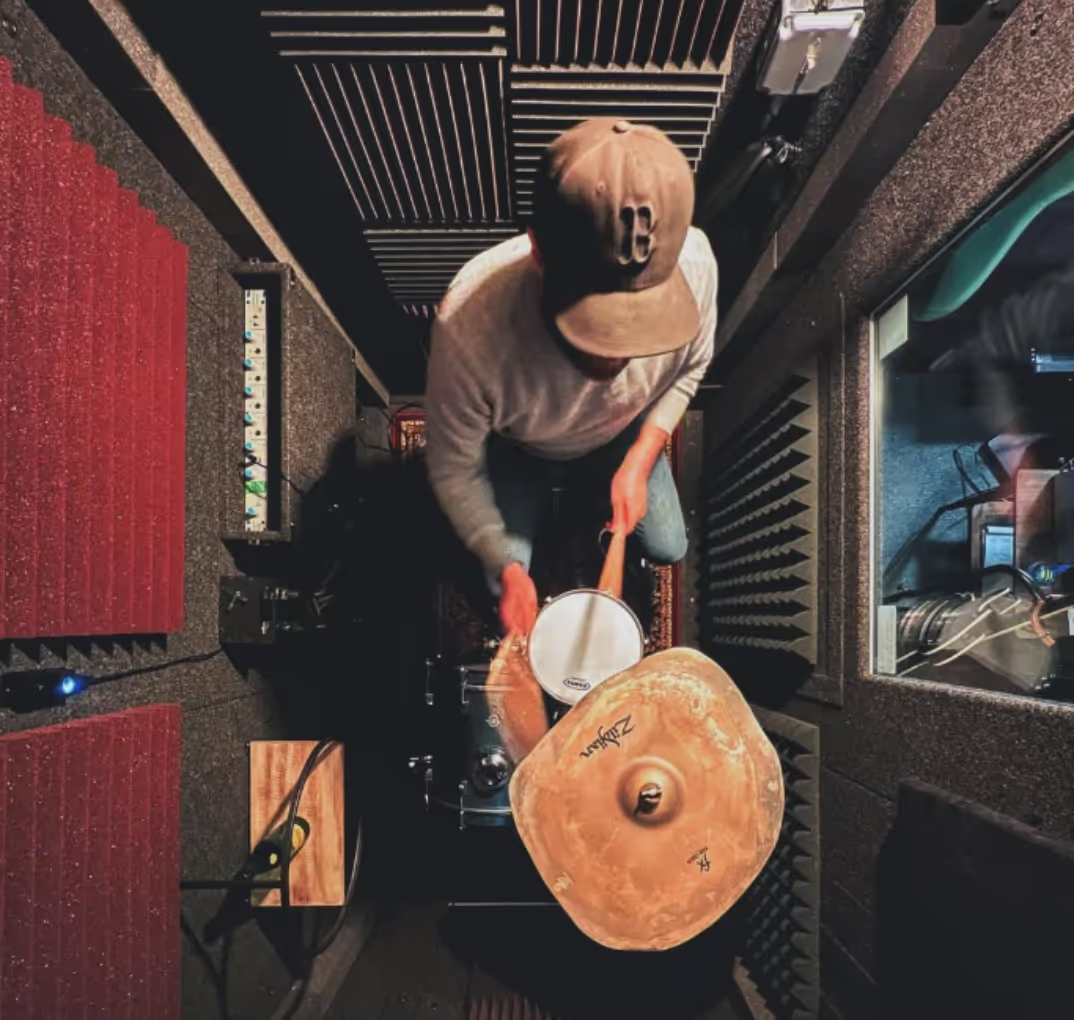
Drums, brass, woodwinds, amplifiers, and other instruments can create high sound levels that travel throughout a building.
Audiology
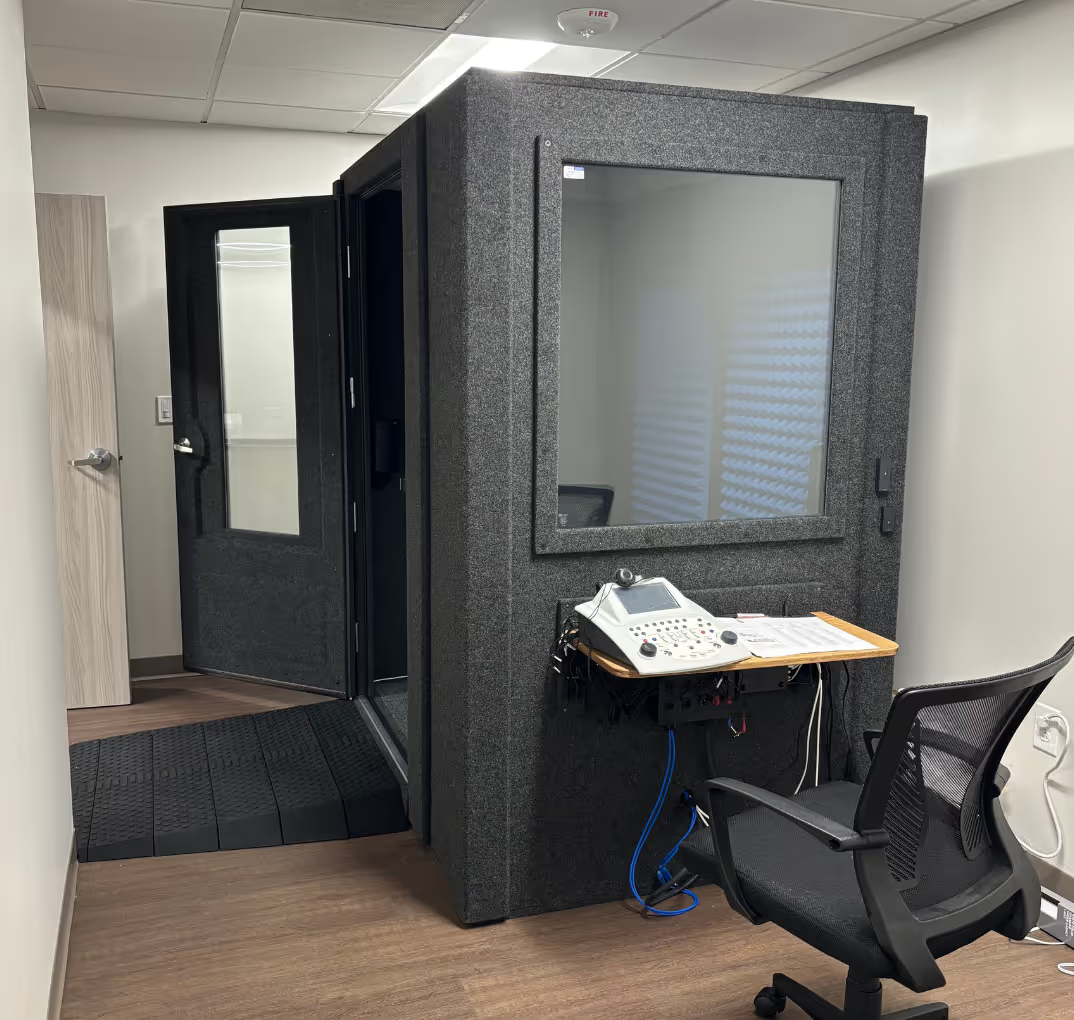
Hearing testing depends on controlling ambient noise so very quiet test signals can be measured accurately.
Telehealth and Counseling
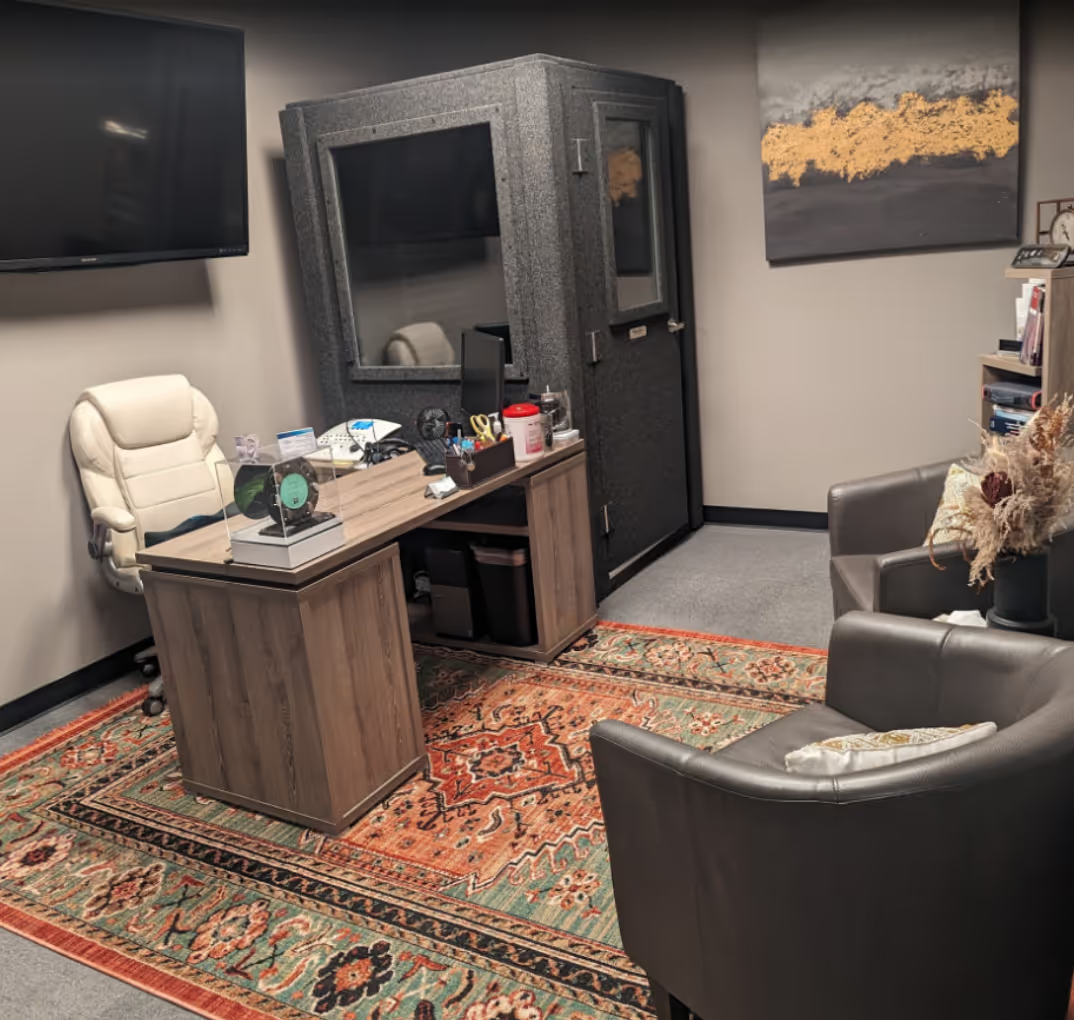
Sound isolation can improve speech privacy and reduce distractions during remote healthcare, counseling, therapy, and other private conversations.
Explore telehealth and therapy booths
Offices and Remote Work
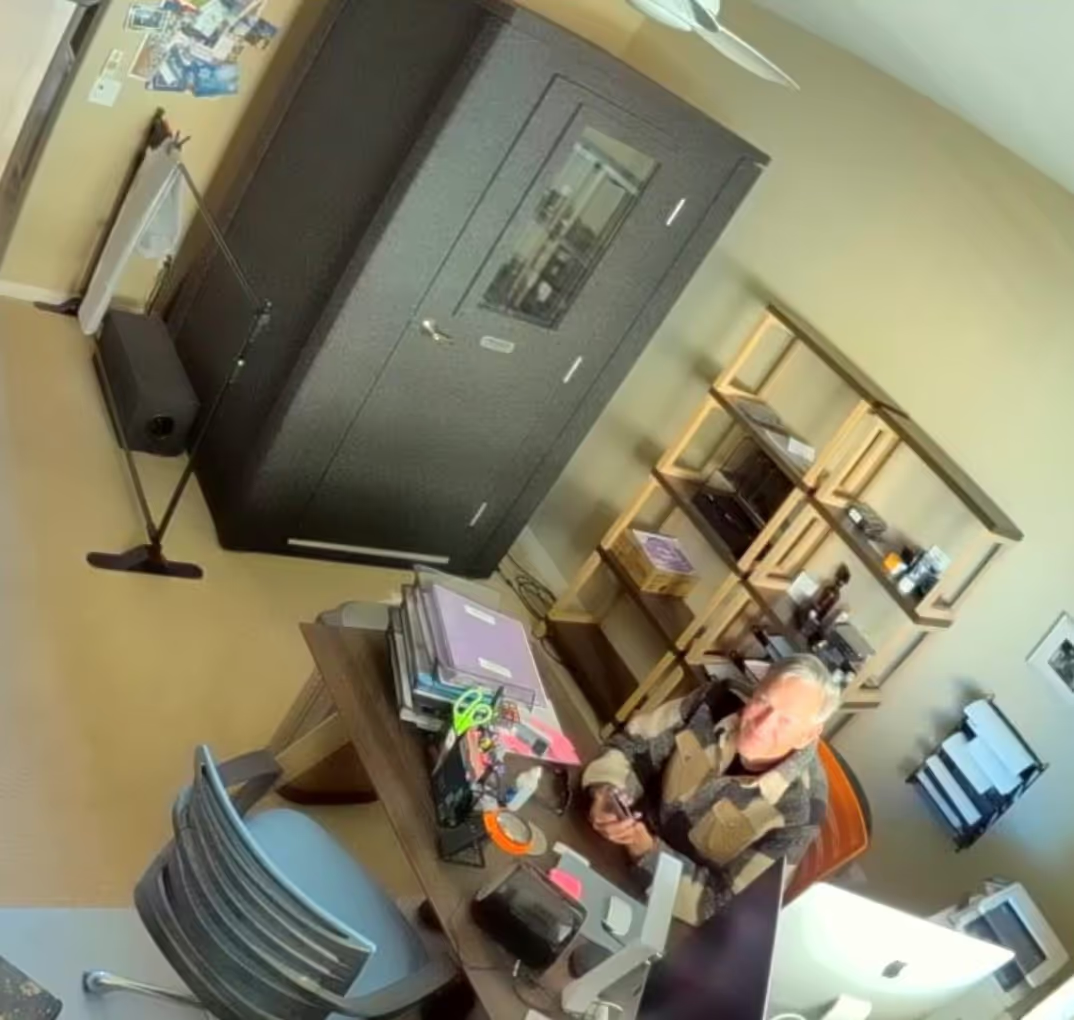
A dedicated booth can reduce distractions and create a quieter place for calls, focused work, meetings, and remote communication.
The Simple Way to Think About Sound Isolation
Sound isolation becomes much easier to understand once you separate the jobs.
Mass, sealing, and separation help reduce the sound that gets through.
Acoustic treatment controls the sound that remains inside.
The measurements tell you different things too:
- dB describes sound level and measured reduction.
- STC compares airborne sound isolation across a range of frequencies.
- NRC describes sound absorption.
Once you know the sound you are trying to control and the environment around it, you can choose the booth size and isolation level that make sense for your space.
Ready to put that into practice?
or
Questions? Email info@whisperroom.com or call 1-800-200-8168.


.avif)
.avif)
.avif)

.avif)
.avif)

.avif)
.avif)
.avif)
.avif)
.avif)
.avif)
.avif)
.avif)
.avif)
.avif)
.avif)
.avif)
.avif)
.avif)

.avif)
.avif)



.avif)