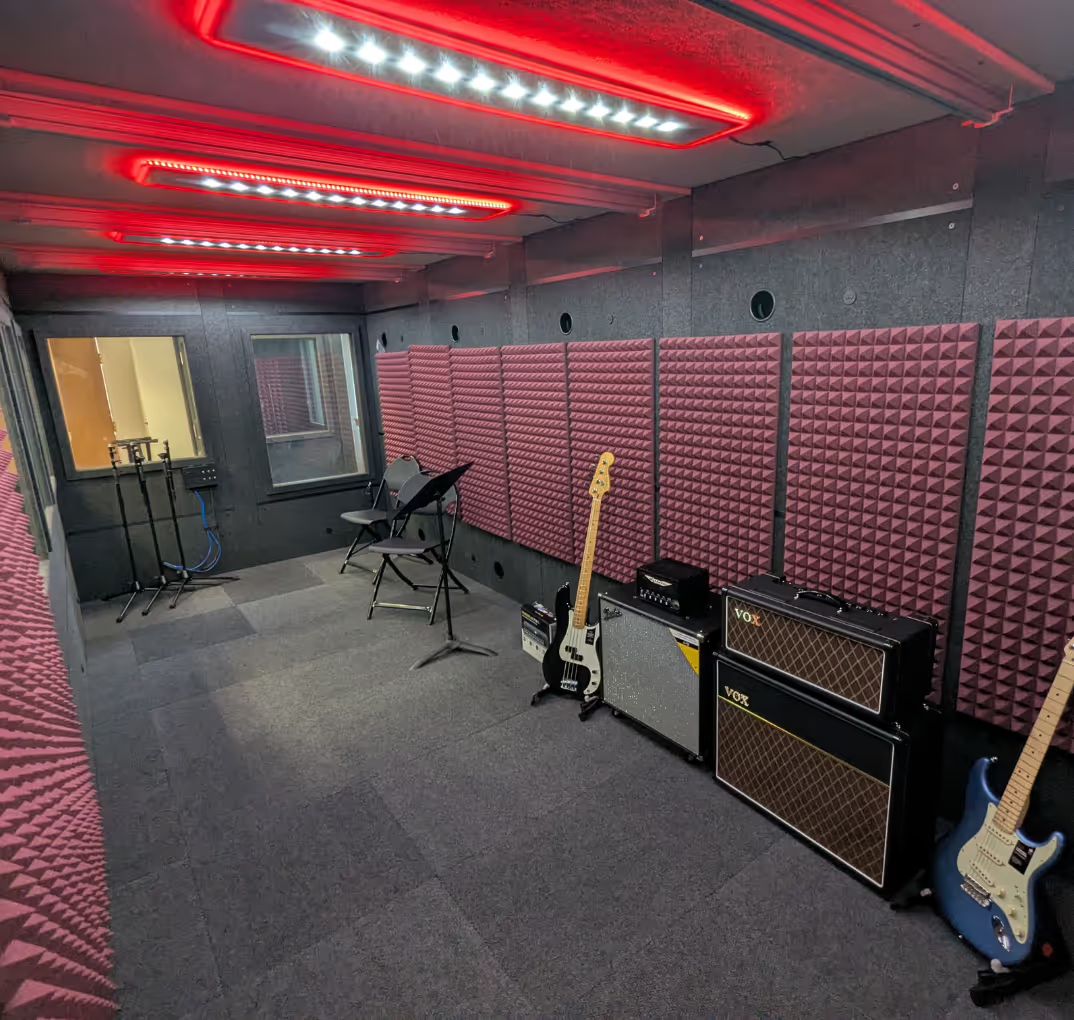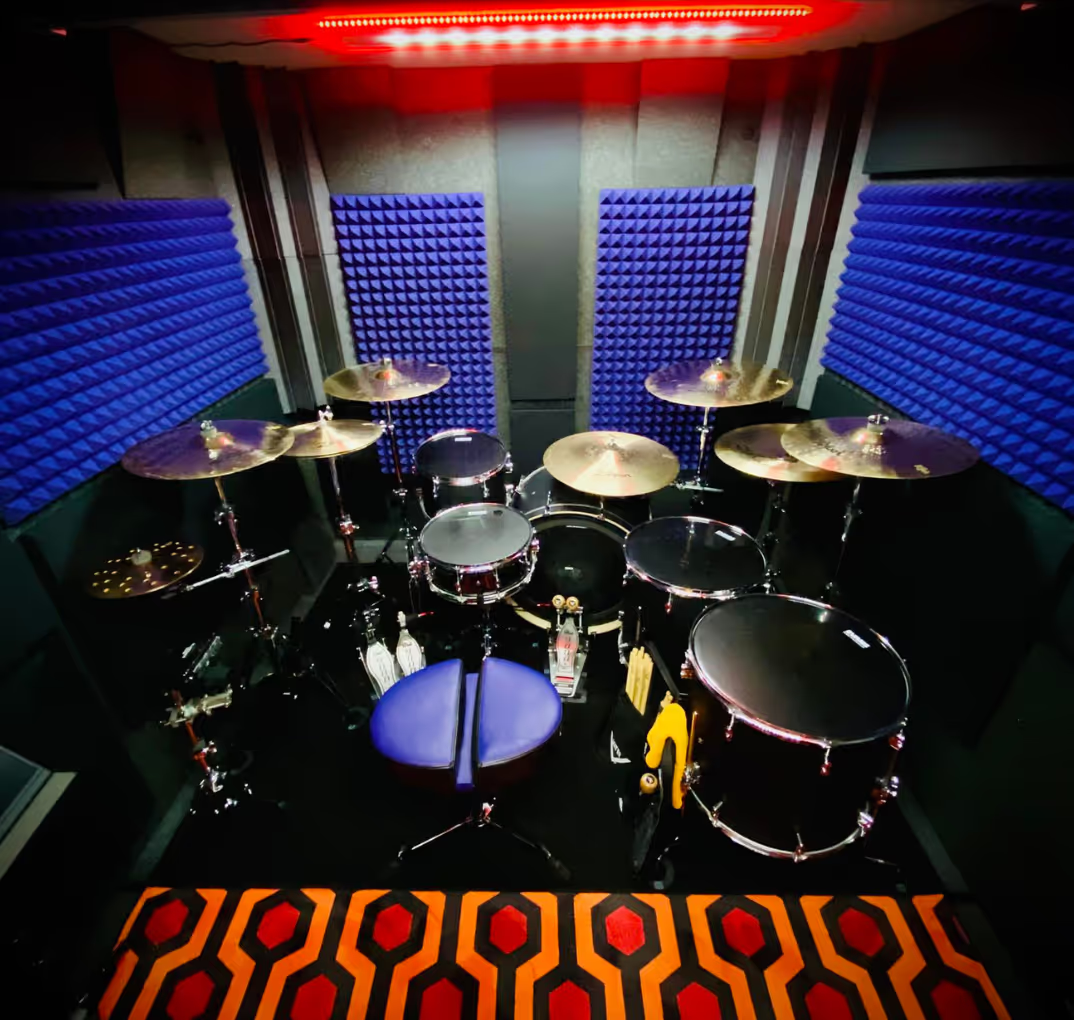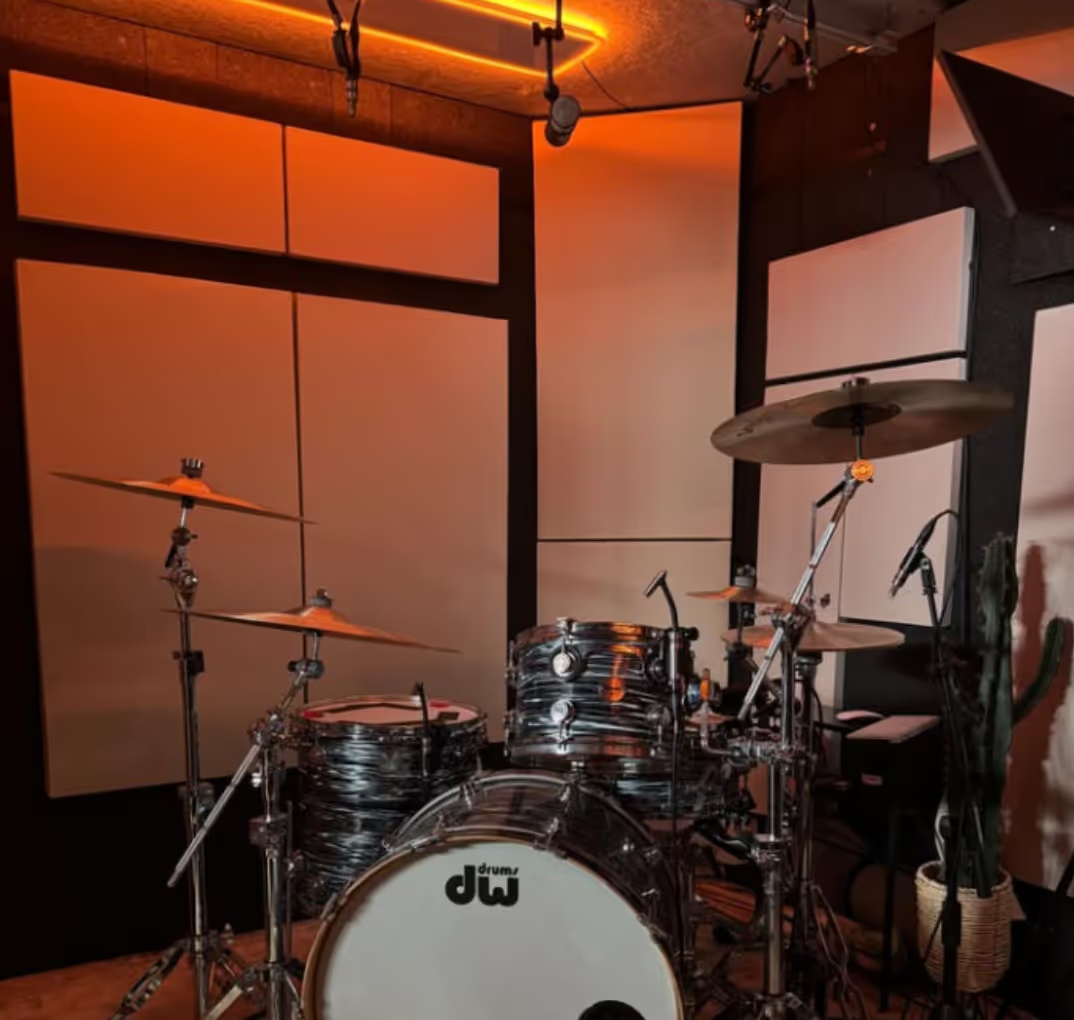
Creating high quality content at home is easier than ever. Cameras are affordable, microphones are better than ever, and editing software is widely accessible.
But there is one challenge that still frustrates many creators.
Noise.
Street traffic. HVAC systems. Neighbors upstairs. Room echo. Even subtle sounds that seem quiet during the day can become painfully obvious once a microphone starts recording.
Many creators begin searching for answers like:
- how to record audio in a noisy apartment
- how to reduce background noise when recording
- quiet recording environment at home
- podcast studio setup in a small room
- how YouTubers record clean audio
The reality is simple. Clean recordings do not come from expensive gear alone. They come from controlling the recording environment.
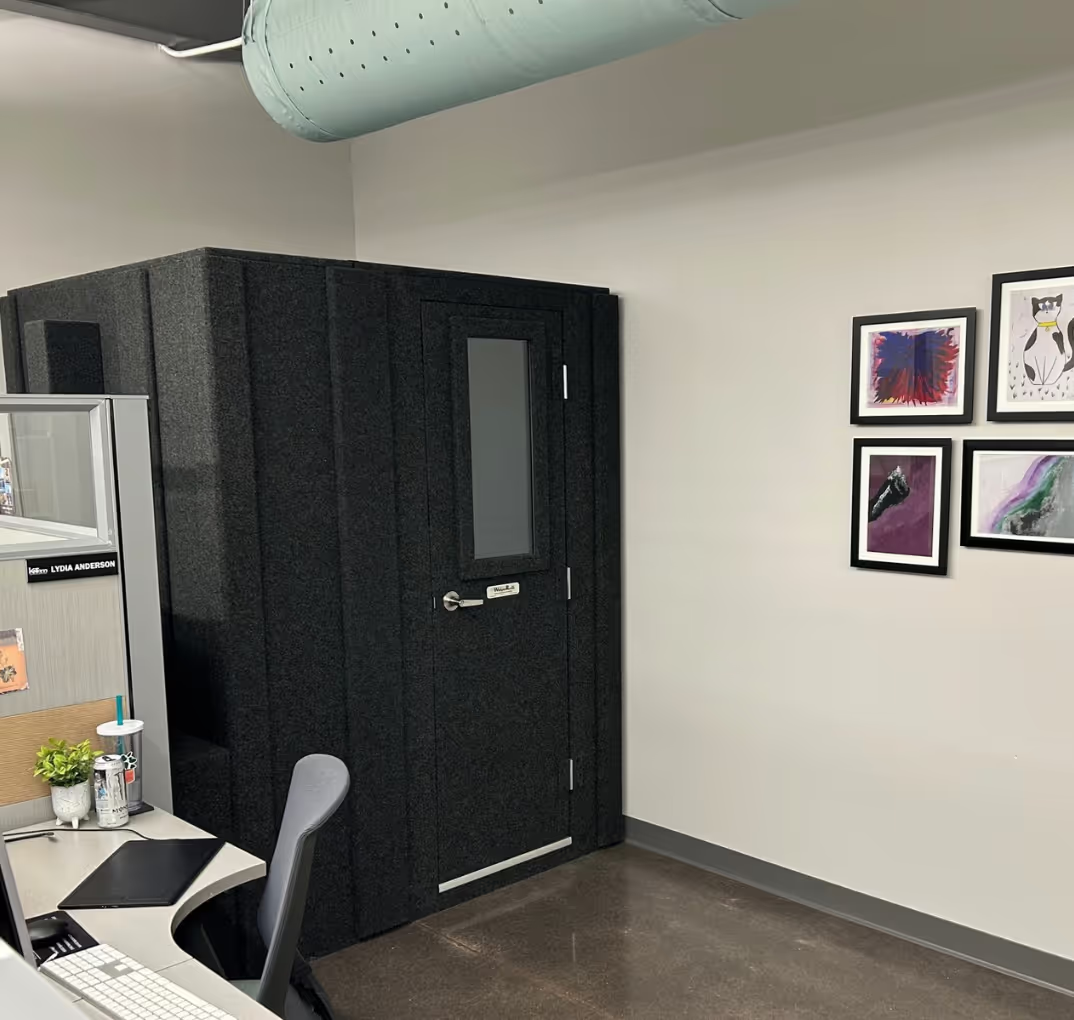
Many creators eventually explore solutions like a recording booth for home studios when imroving the room alone is not enough.
Understanding how sound behaves in a room is the first step toward consistently clear audio.
How do creators record clean audio in noisy homes or Apartments?
Creators usually combine several techniques to record clean audio at home:
- choosing the quietest room available
- using directional microphones placed close to the speaker
- reducing echo with acoustic treatment
- isolating the recording space from outside noise
When background noise cannot be controlled, many creators use dedicated sound isolation booths to maintain consistent recording quality.
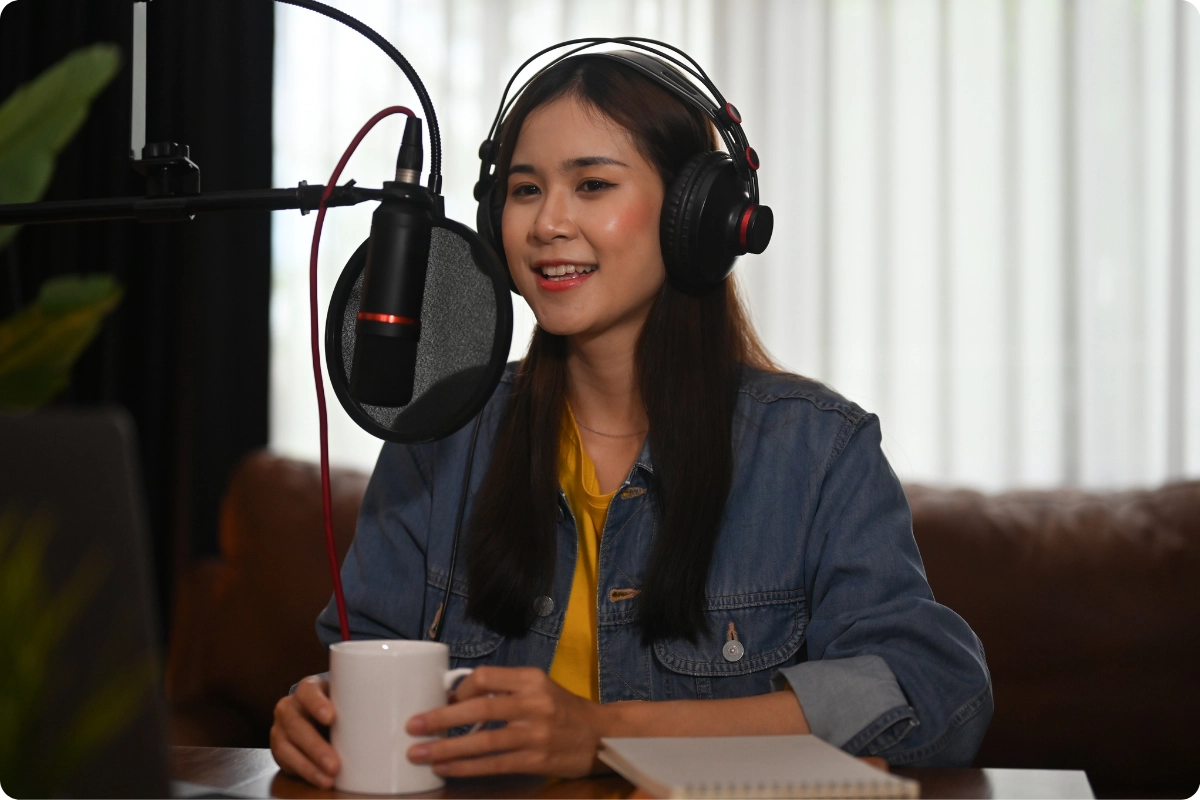
Why Recording Audio at Home Is So Challenging
Most homes were never designed for audio recording.
Interior walls are built to divide rooms, not block sound. Floors transmit vibration. Windows allow outside noise to travel inside. Even small sounds like footsteps, appliances, or distant traffic can show up clearly in recordings.
Some of the most common noise challenges creators face include:
- traffic or outdoor noise
- HVAC and ventilation systems
- nieghbors in apartments or shared buildings
- refrigerators and appliances cycling on and off
- echo and reflections from untreated rooms
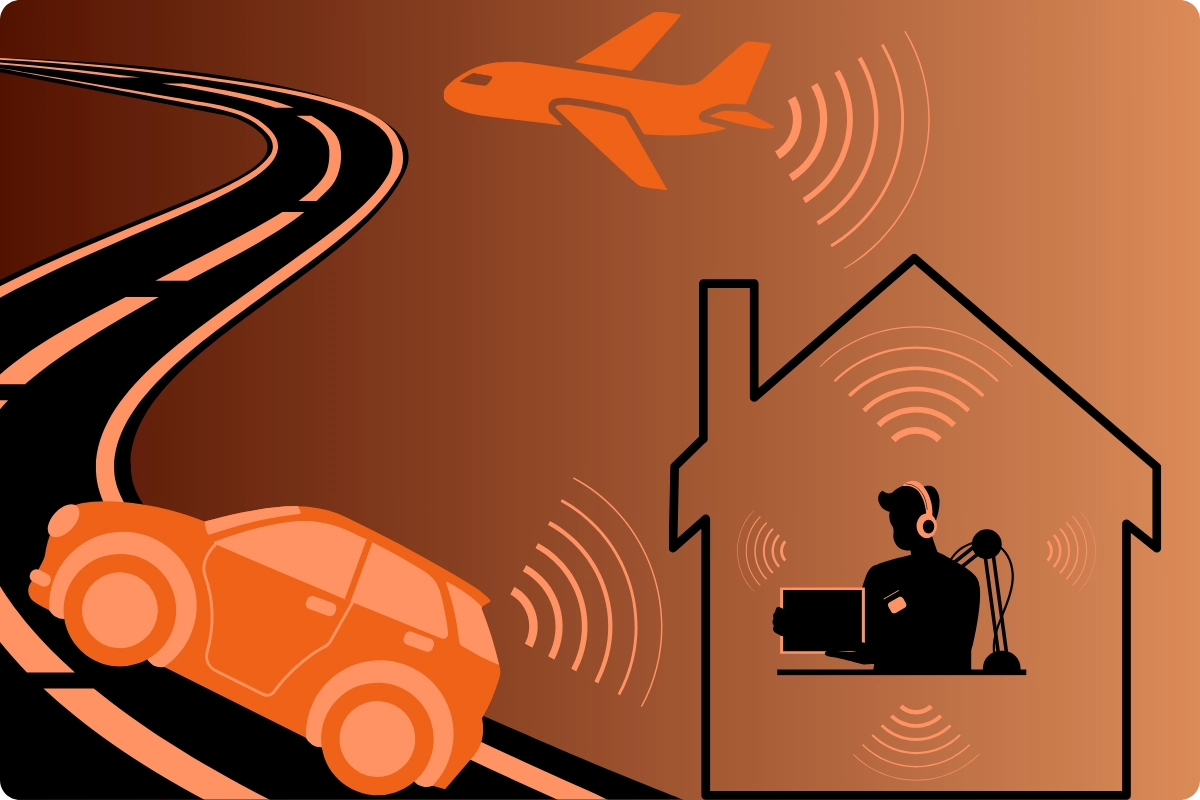
Microphones are designed to capture detail. What sounds quiet in everyday life can become extremely noticeable once recorded.
This is why many creators upgrade microphones or interfaces but still struggle with background noise.
The missing piece is often the recording environment itself.
Why Foam Panels Do Not Stop Outside Noise
One of the most common first upgrades creators make is installing acoustic foam.
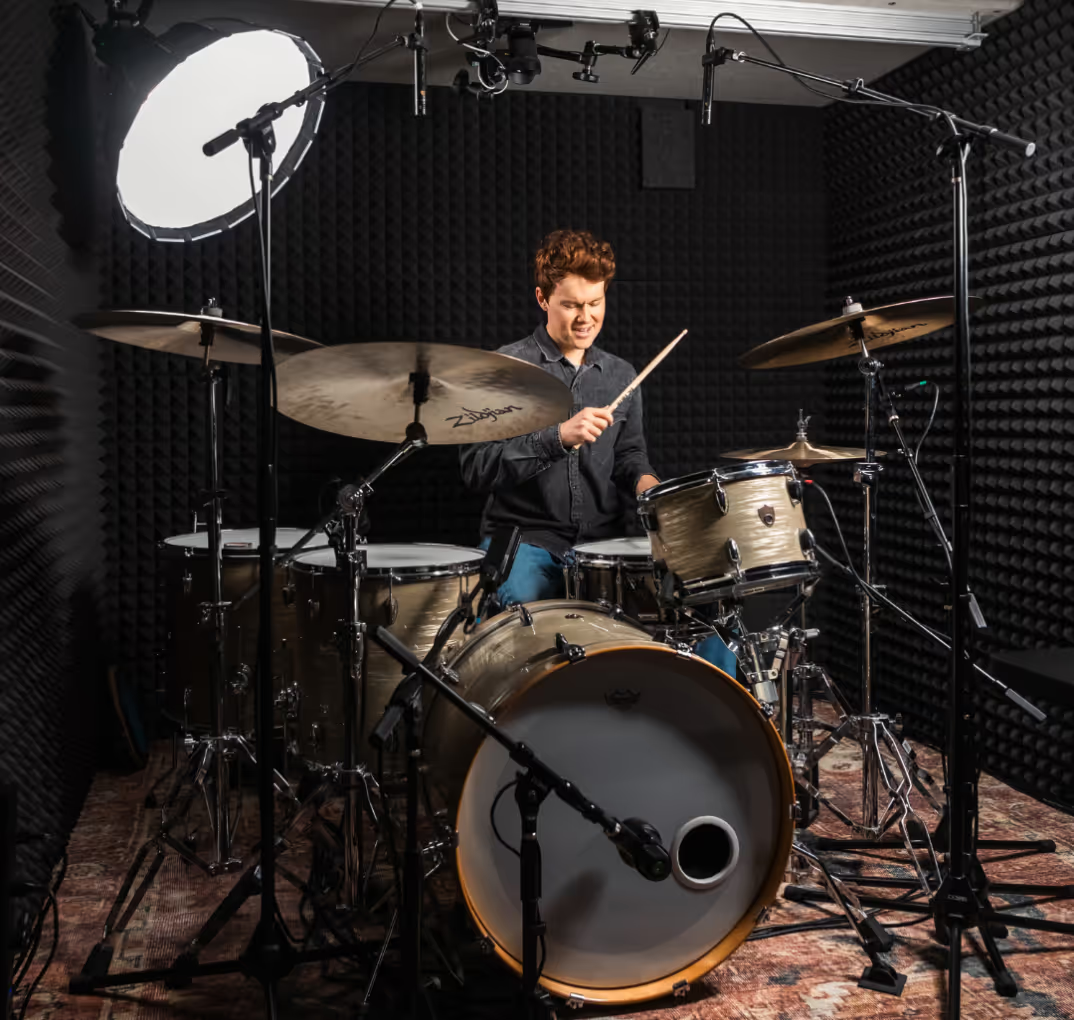
Foam panels are excellent for improving sound inside a room. They reduce echo and help recordings sound more controlled.
However, they do not block outside noise.
Understanding the difference between sound treatment and sound isolation is important.
Sound treatment improves how sound behaves inside a room by reducing reflections.
Sound isolation prevents outside noise from entering the recording space.
Foam panels absorb sound reflections, but they do not stop external noise such as traffic, HVAC systems, or neighbors.
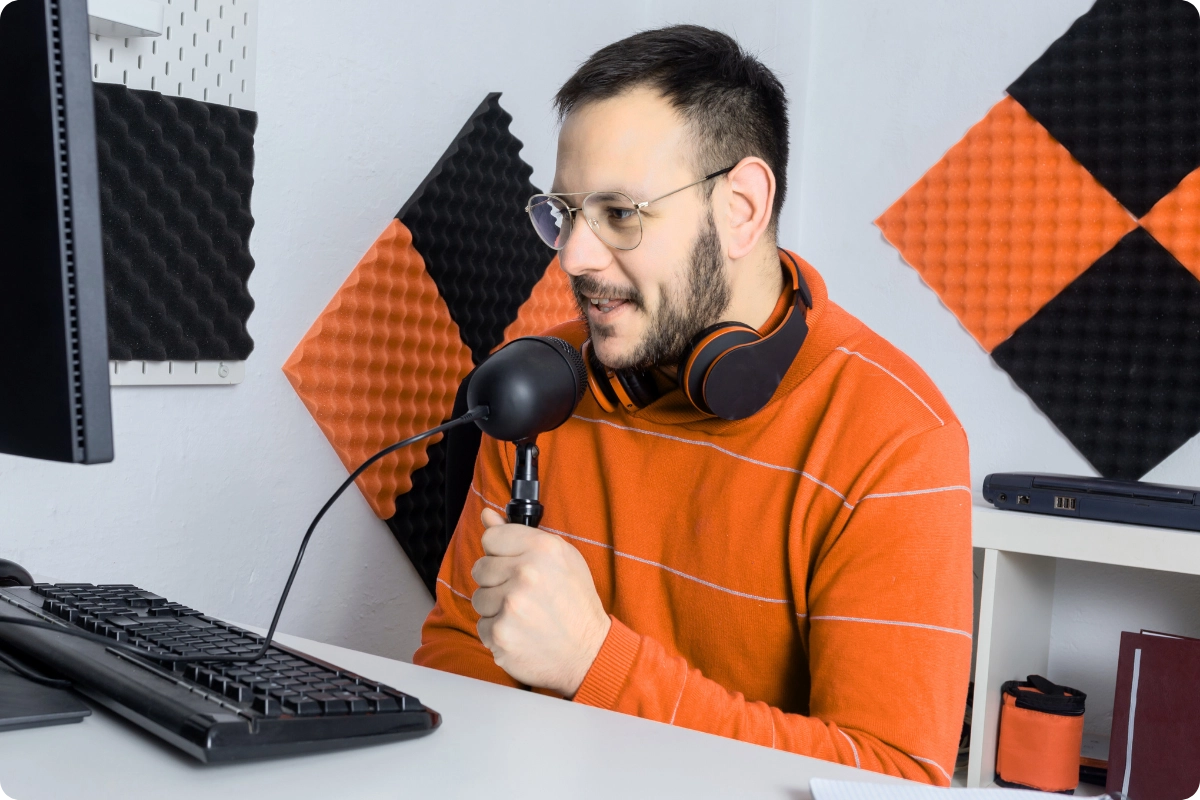
If you want a deeper explanation of how these concepts differ, you can explore our guide on the difference between sound treatment and soundproofing.
Many creators discover this distinction after installing foam panels and still hearing background noise in their recordings.
Common DIY Recording Booth Solutions
When background noise becomes frustrating, many creators attempt DIY recording booths.
Some solutions can improve recordings slightly, but each has limitations.
Closet Recording Booths
Closets are popular because clothing absorbs sound reflections. While closets can reduce echo, they rarely block outside noise effectively.
Blanket Booths
Moving blankets and thick fabric can reduce reflections inside a small space. However, fabric materials do very little to stop outside noise from entering.
PVC Frame Booths
Portable booths made from PVC frames and blankets are common among beginners. These structures create a treated recording space but typically provide minimal isolation from external sound.
Framed DIY Booths
Some creators build wooden structures using drywall and insulation. These booths can improve isolation but often require construction skills, ventilation planning, and significant time investment.
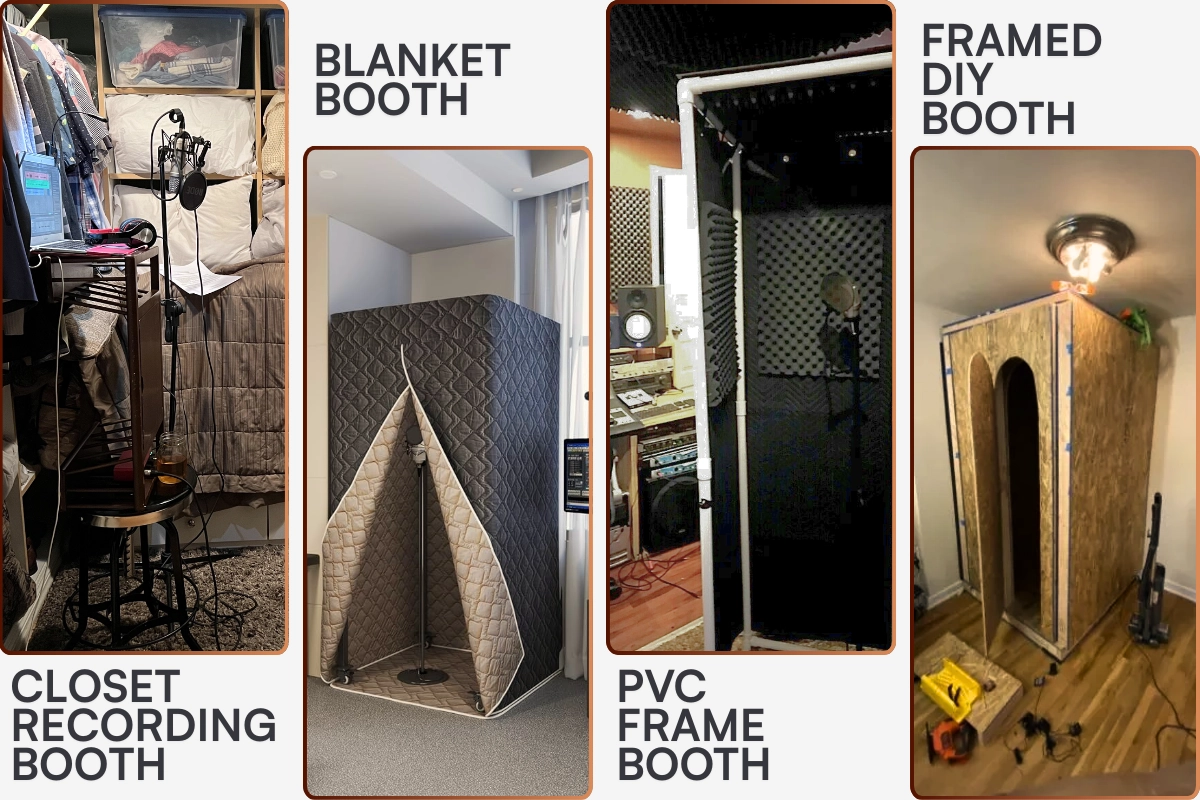
If you're comparing the DIY route with a purpose built booth, our guide on DIY vocal booths vs WhisperRoom sound booths walks through the real cost, effort, and long term differences.
What Actually Creates a Quiet Recording Environment
If your goal is to block outside noise, a recording space must include several key principles.
Mass
Dense materials help block sound. Lightweight materials allow noise to pass through easily.
Airtight Sealing
Even small air gaps allow sound to leak into a recording space. Proper sealing is essential for isolation.
Structural Isolation
Separating walls and surfaces helps prevent vibration from traveling through the structure.
Professional recording environments combine these principles to create controlled acoustic spaces.
Without these elements, outside noise will almost always find a way into recordings.
When Creators Need a Sound Isolation Booth
At some point, many creators realize that DIY fixes are not solving their noise problems.
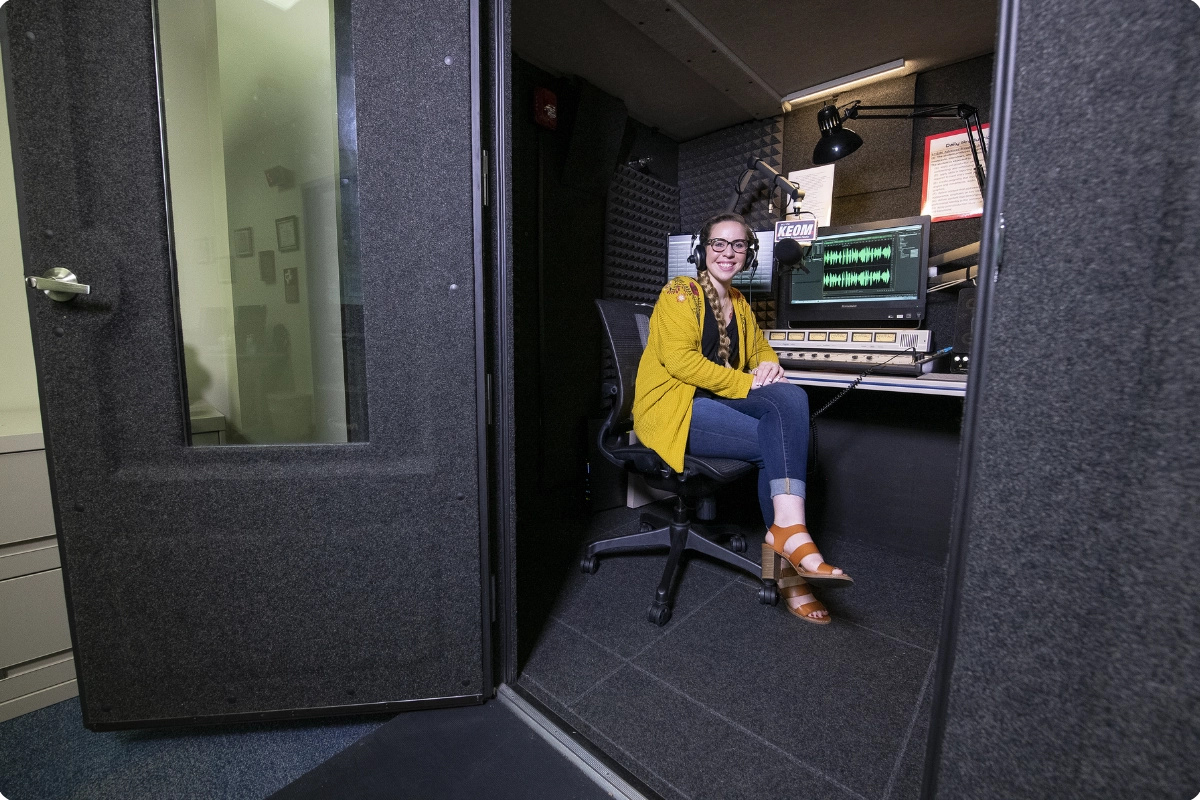
This usually happens when:
- you record voiceovers regularly
- background noise interrupts your workflow
- you produce podcasts or narration professionally
- you stream content frequently
- your schedule does not allow waiting for quiet hours
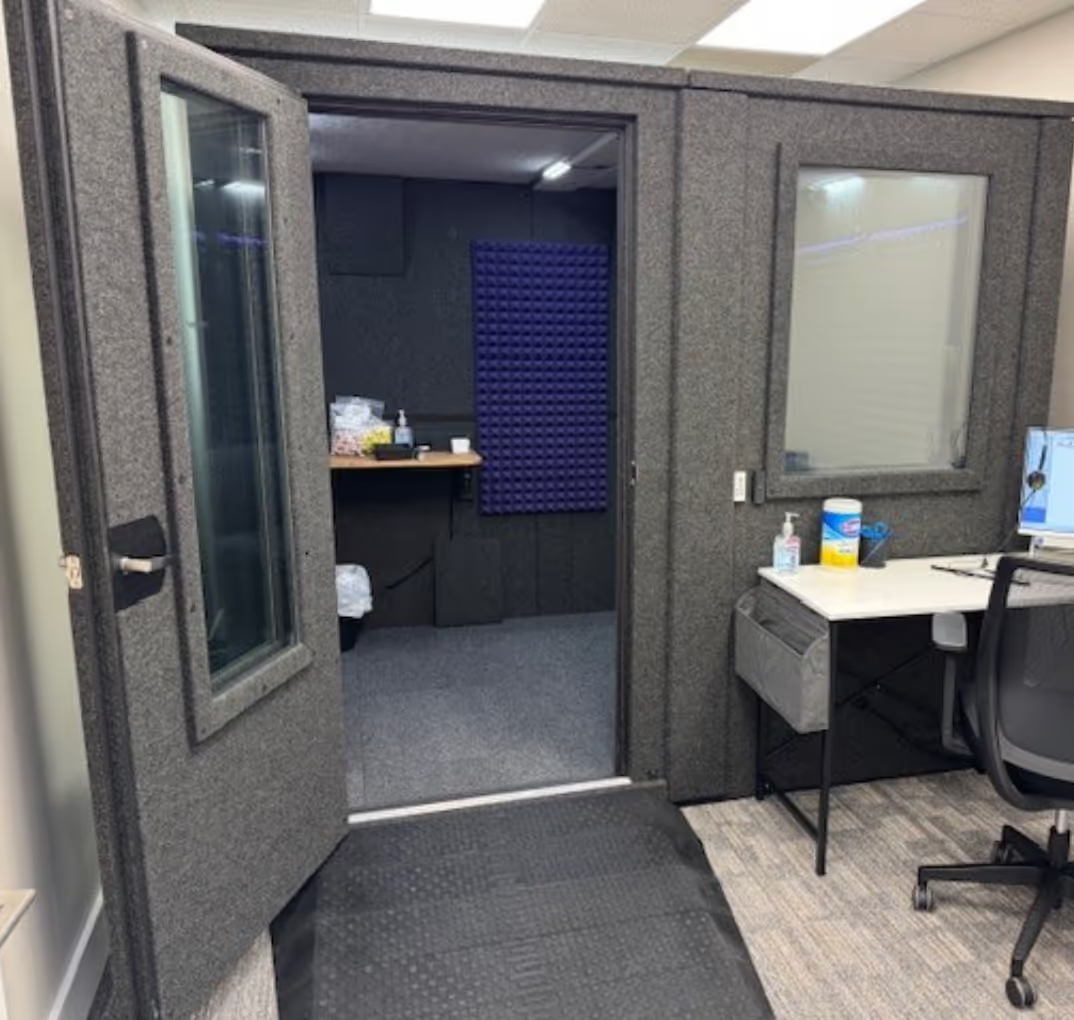
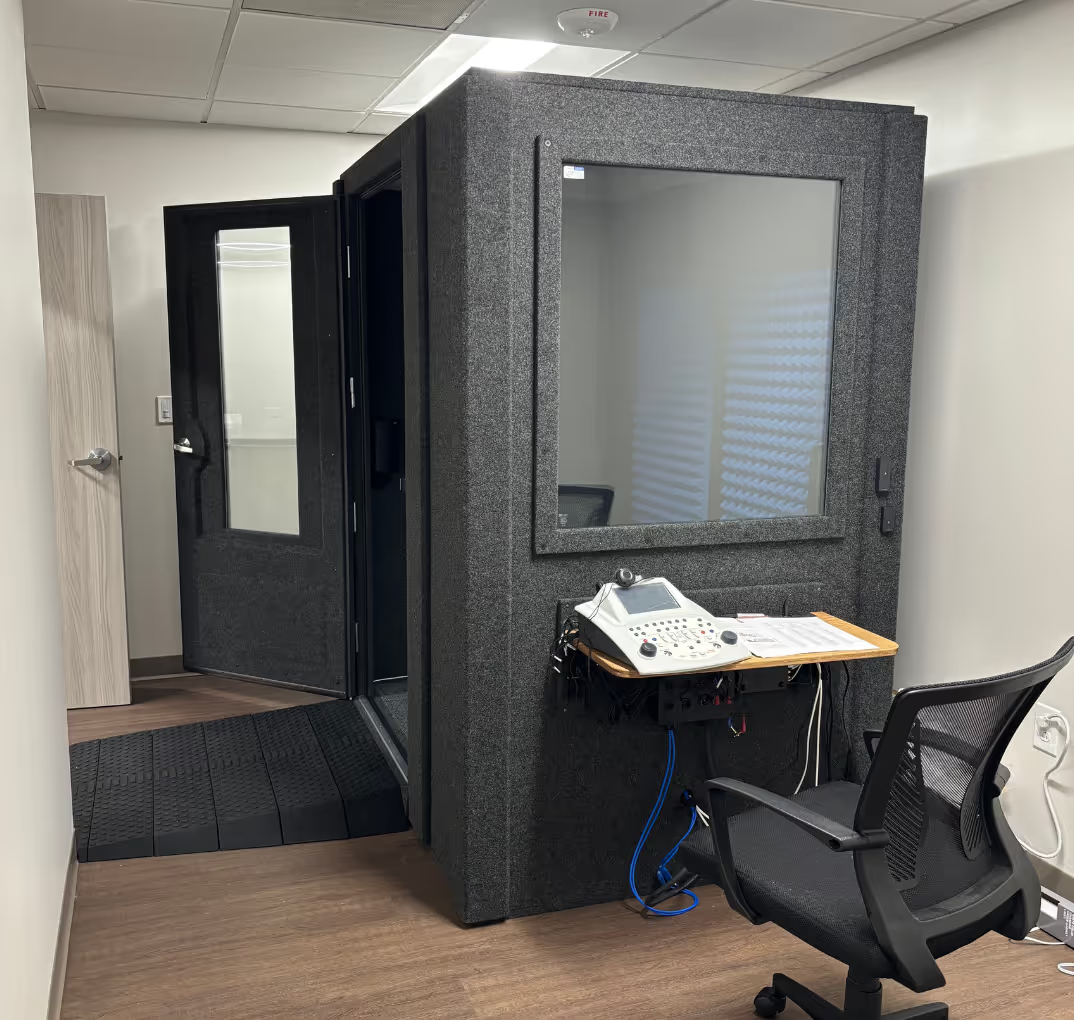
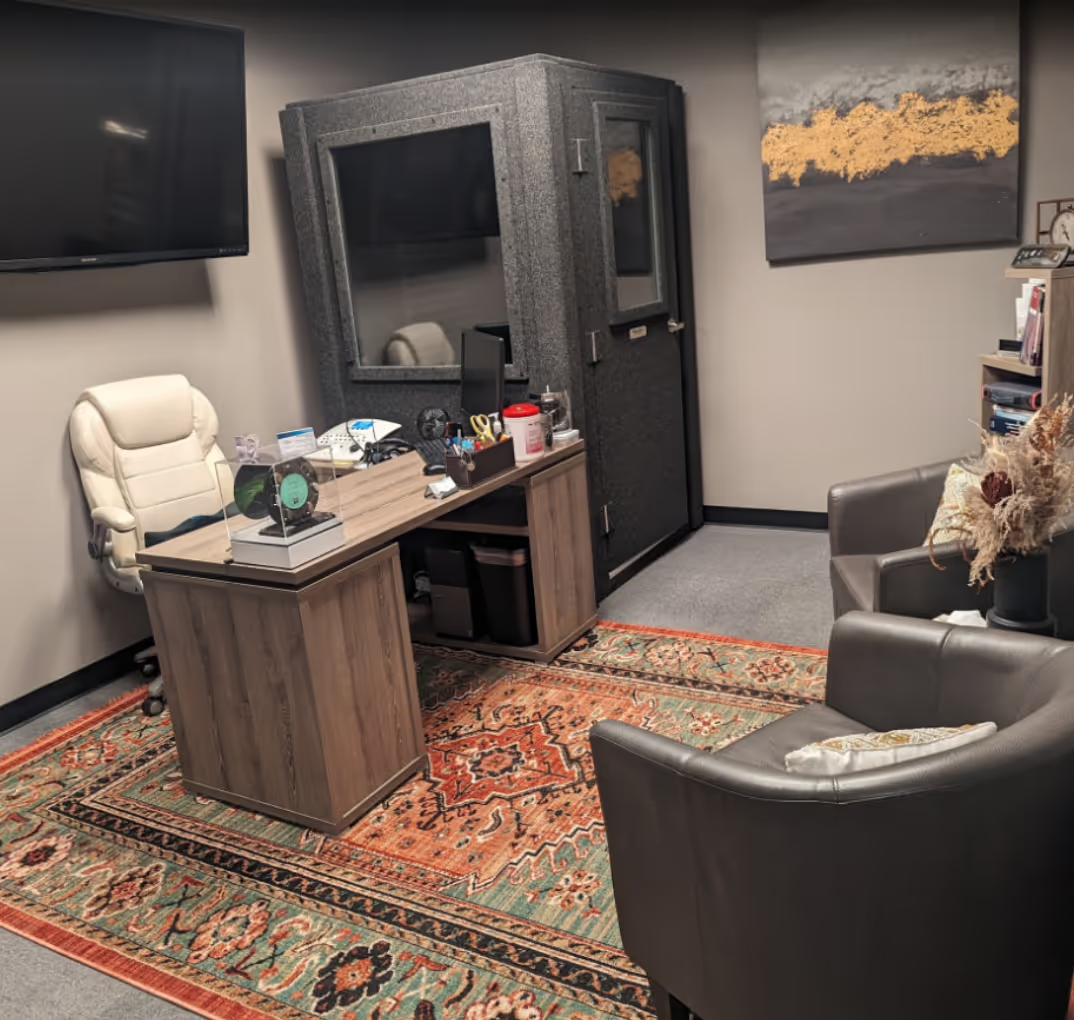
At this stage, a dedicated isolation booth can provide a controlled recording environment.
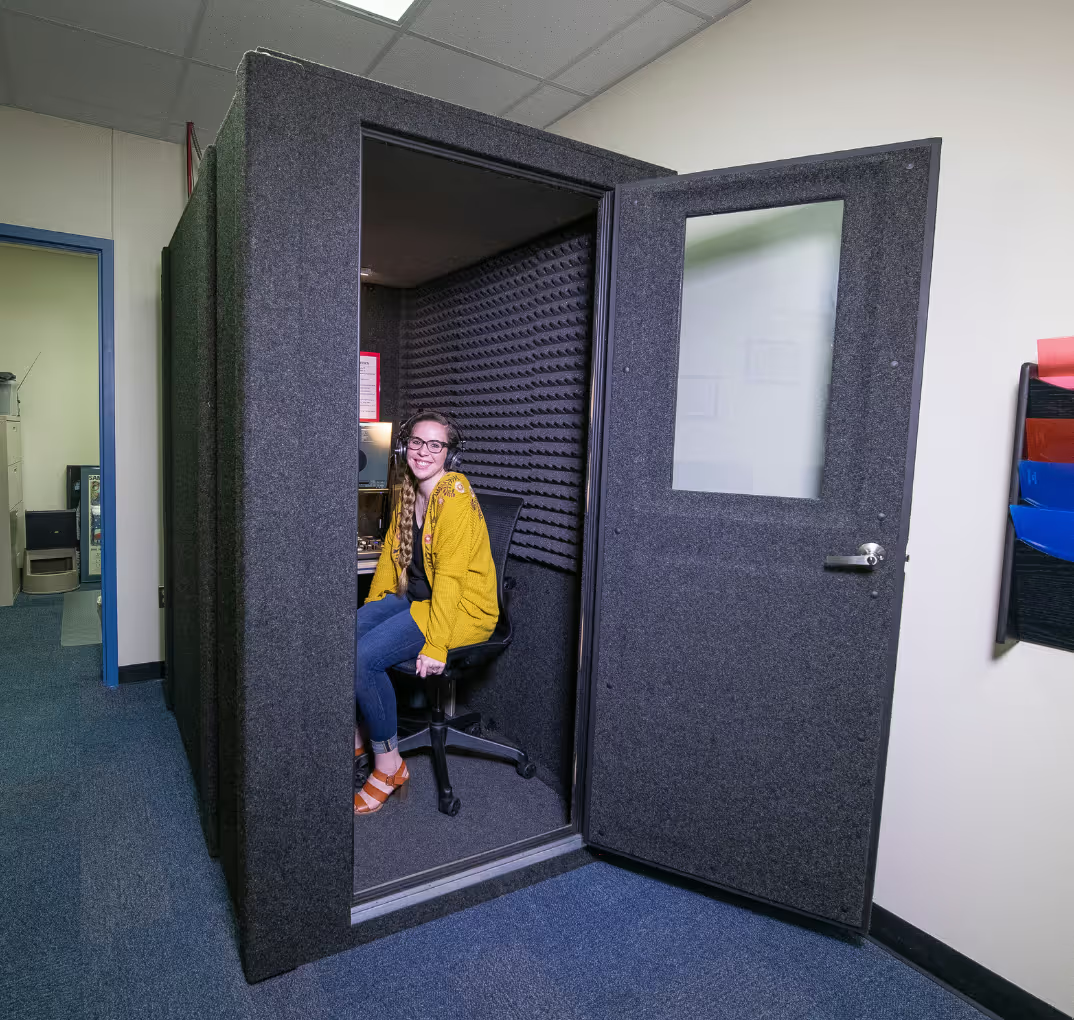
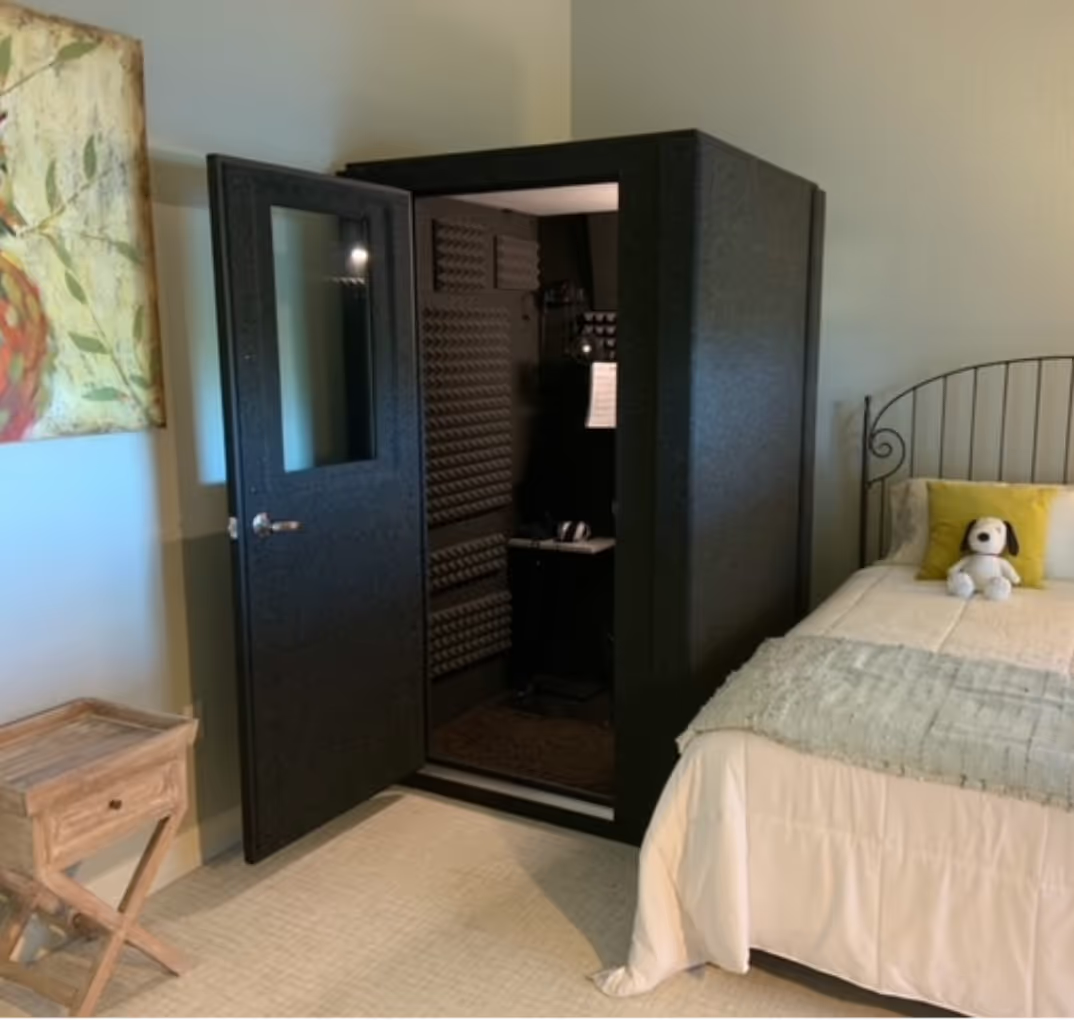
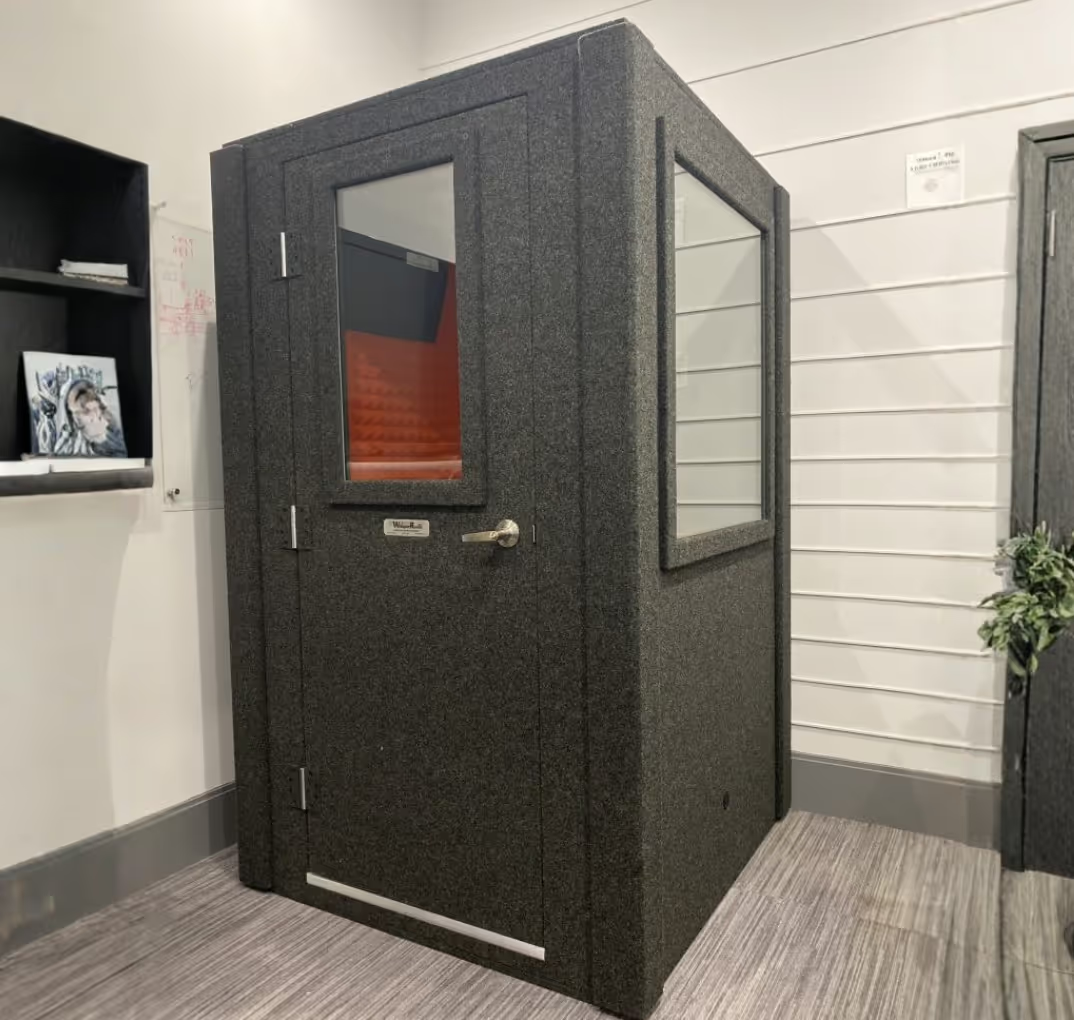
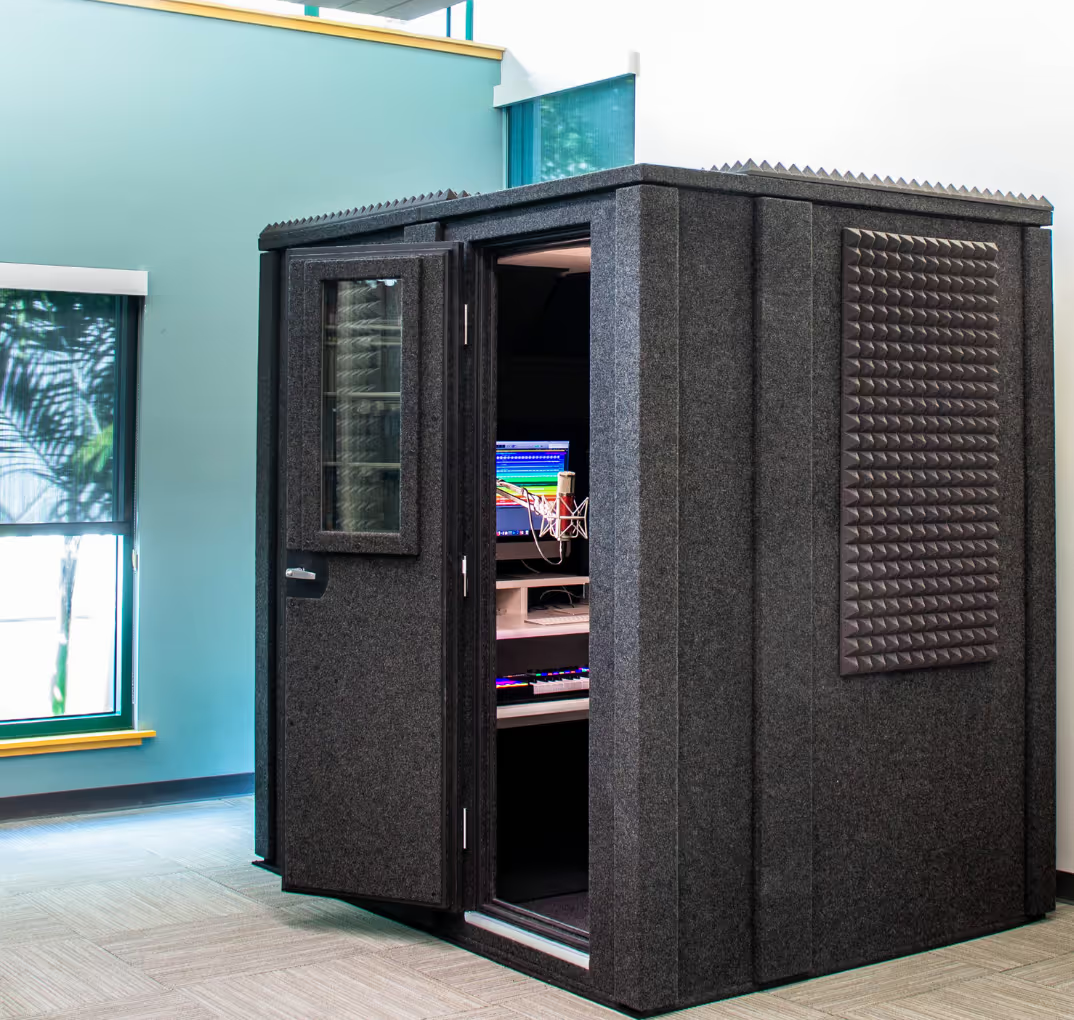
For example, booths like the Creator Basic sound isolation booth are designed specifically for voice recording, podcasting, and content creation in home studios.
Instead of relying on improvised materials, these booths use engineered panels, sealed construction, and ventilation systems designed to operate quietly during recording sessions.
How Content Creators Use Isolation Booths
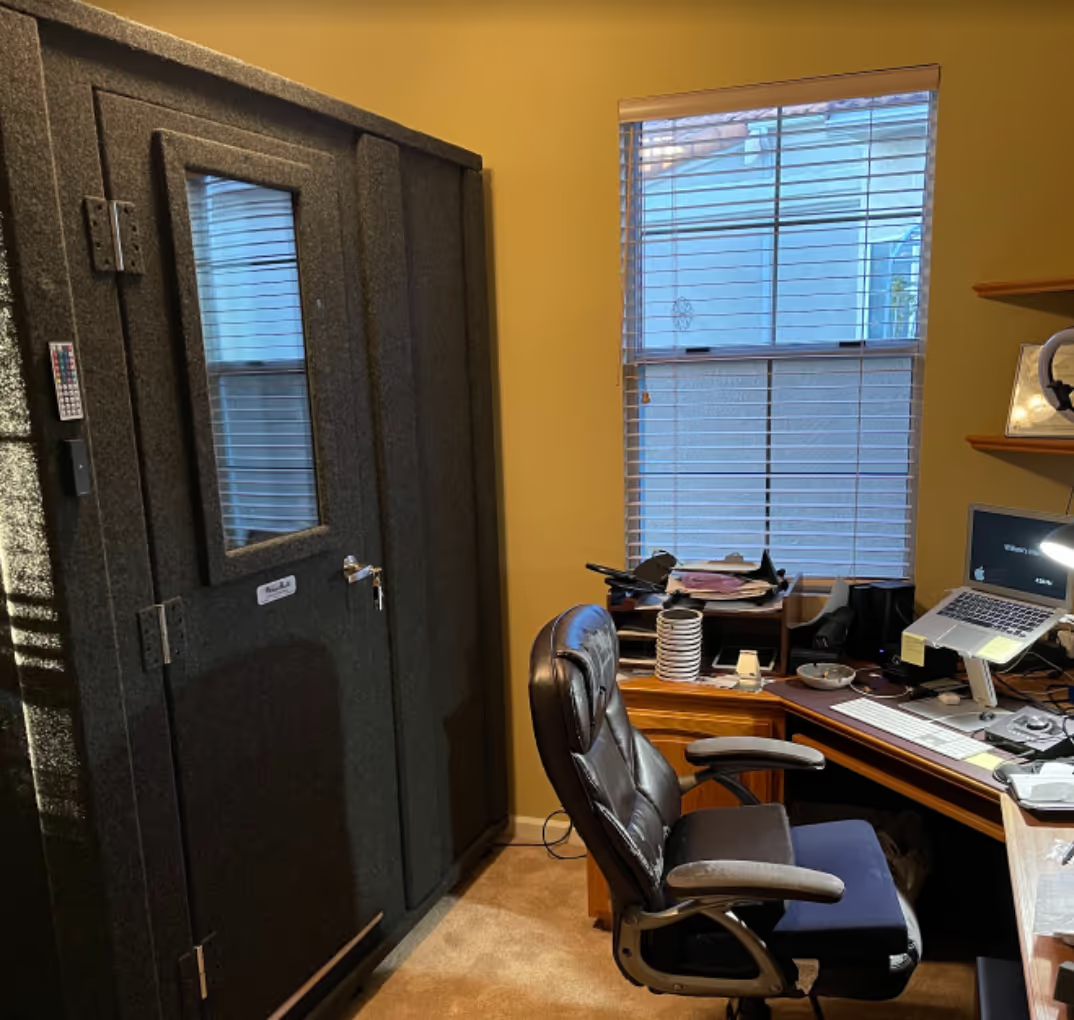
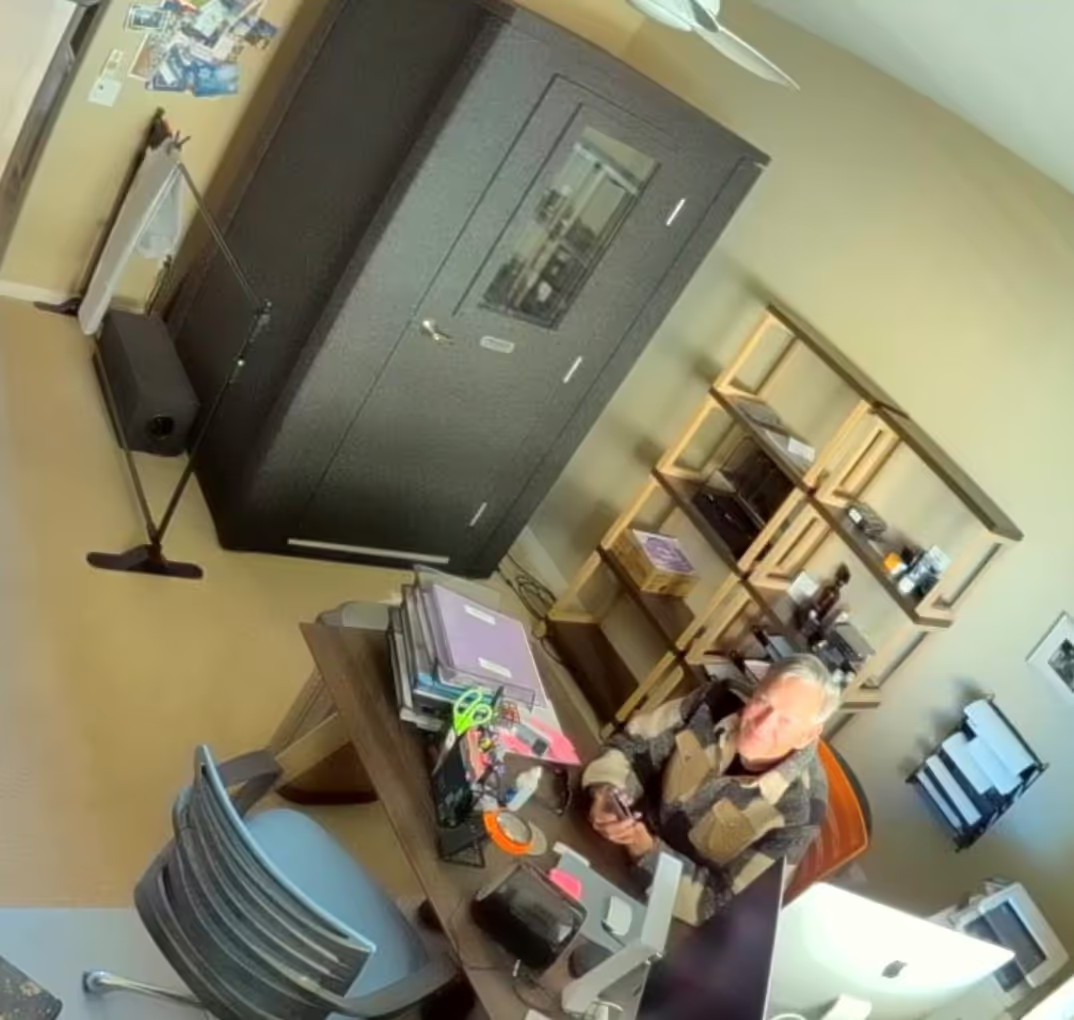
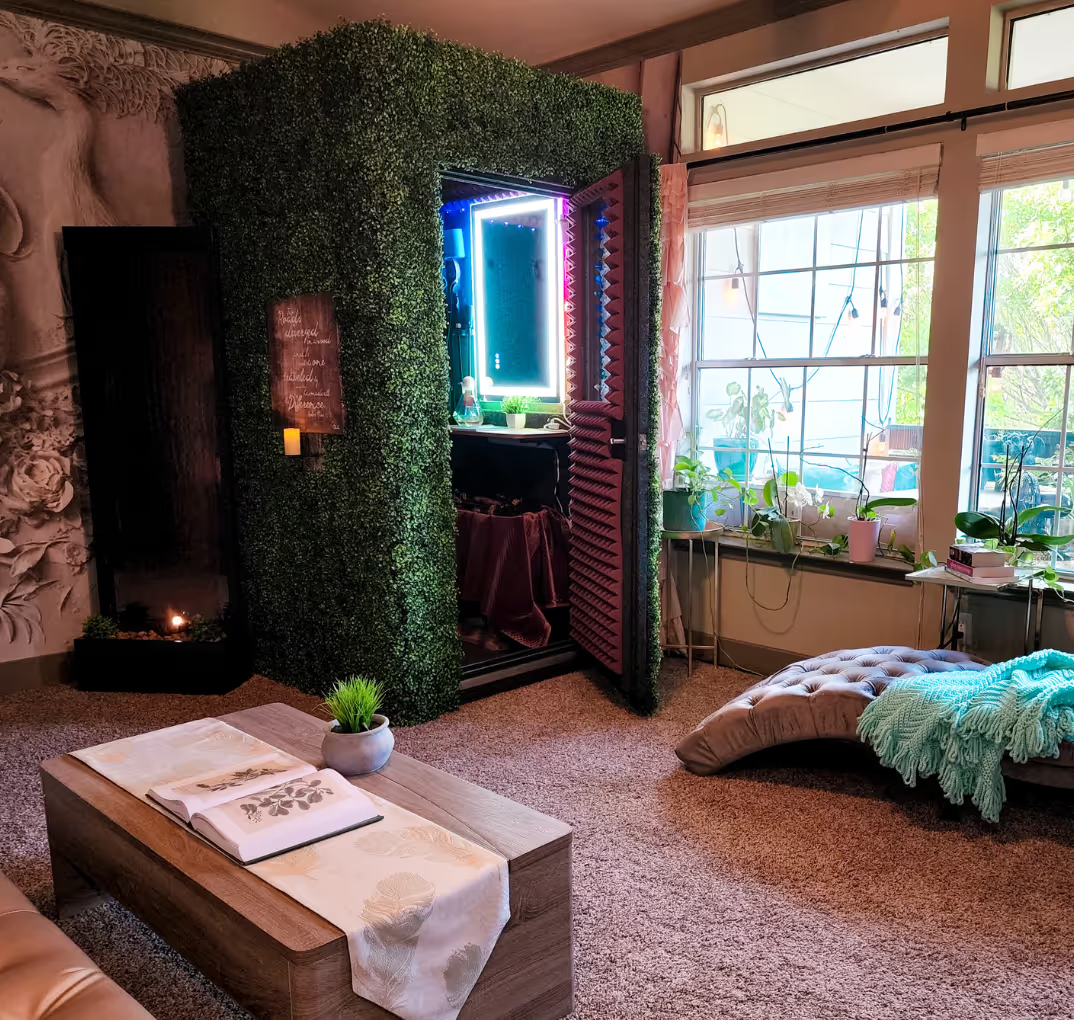
Many creators design their home studios around dedicated recording booths.
Isolation booths provide a predictable environment where outside noise is minimized and internal acoustics remain consistent.
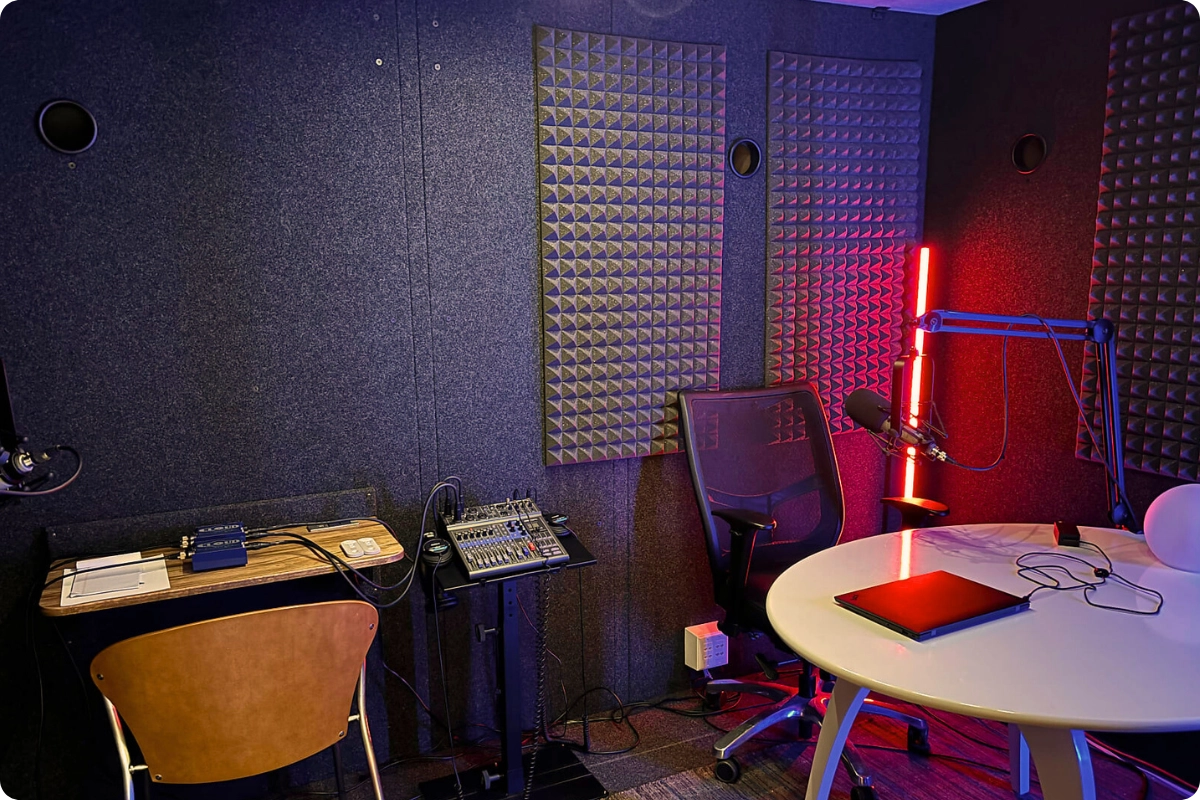
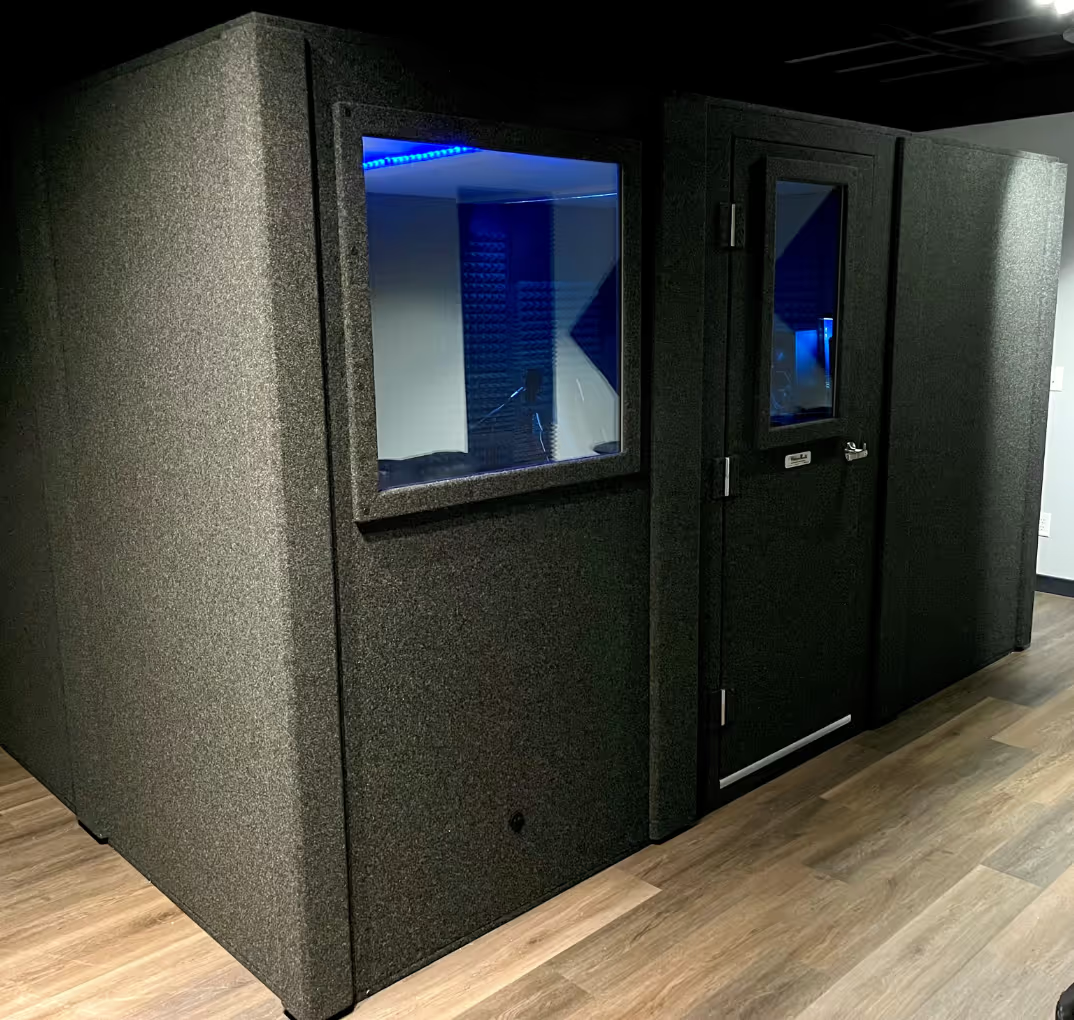
WhisperRoom offers creator focused solutions such as the Creator Basic booth and the double-wall Creator Deluxe booth, both designed to support voice recording, podcast production, and streaming setups.
Voice actors and narration professionals often choose purpose built Voice Over recording booths to maintain consistent audio quality even when recording in busy homes or apartments.
These booths can support a wide range of creative workflows, including:
- podcast recording
- YouTube voiceovers
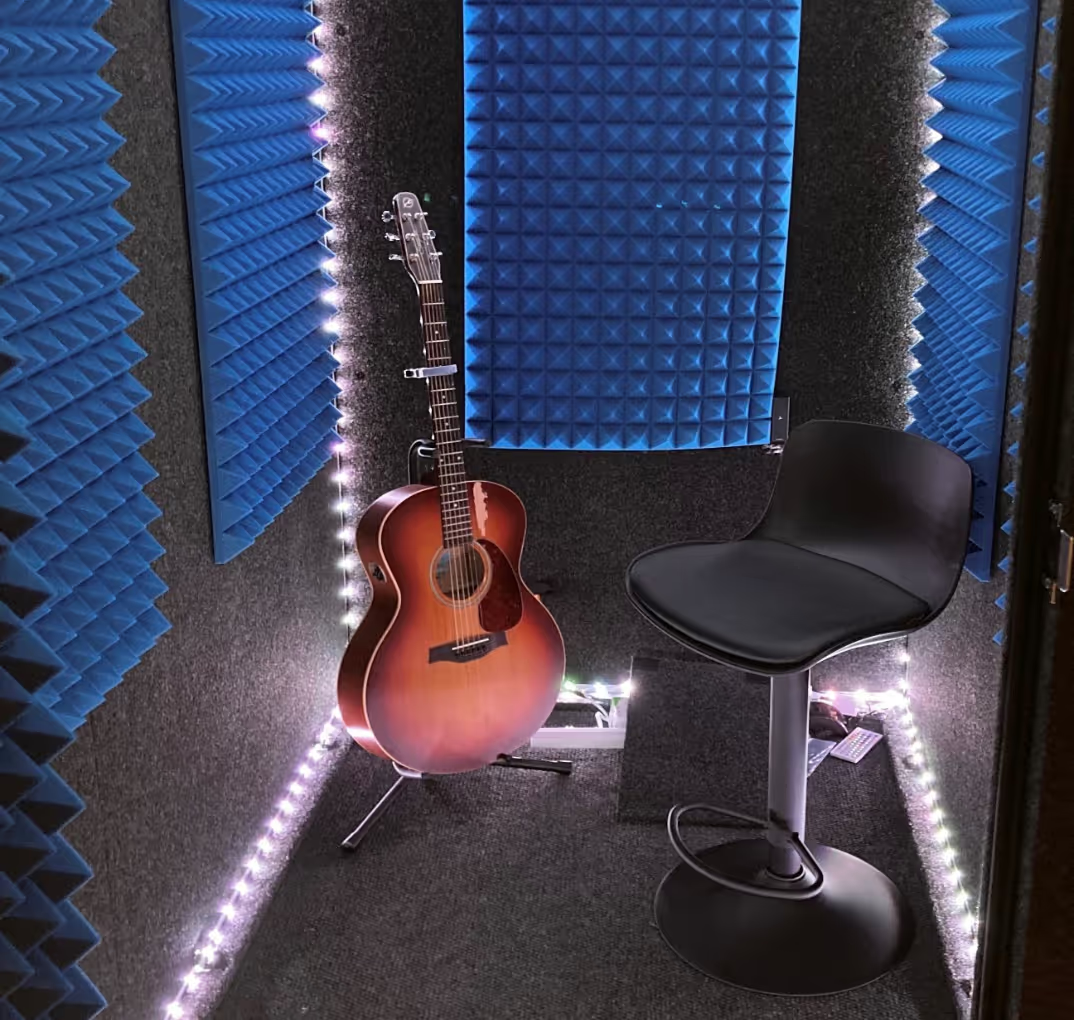
- audiobook narration
- voice acting and animation work
- livestream commentary
- online course production
A controlled recording environment often reduces editing time and improves overall production quality.
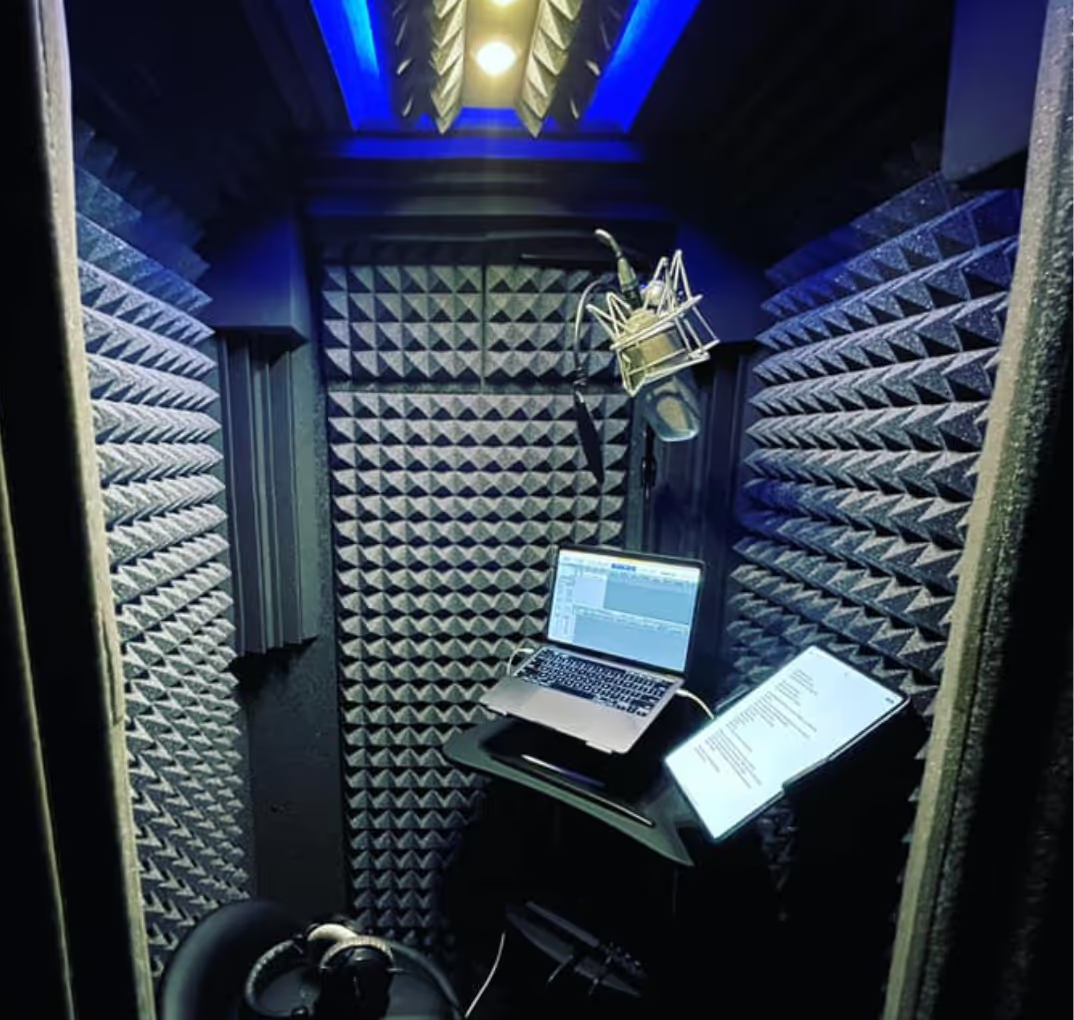
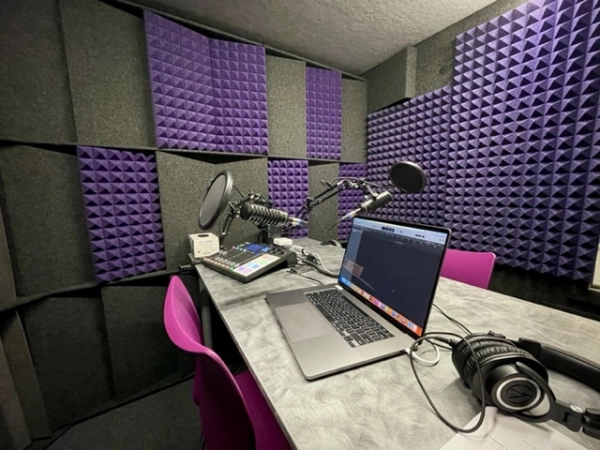
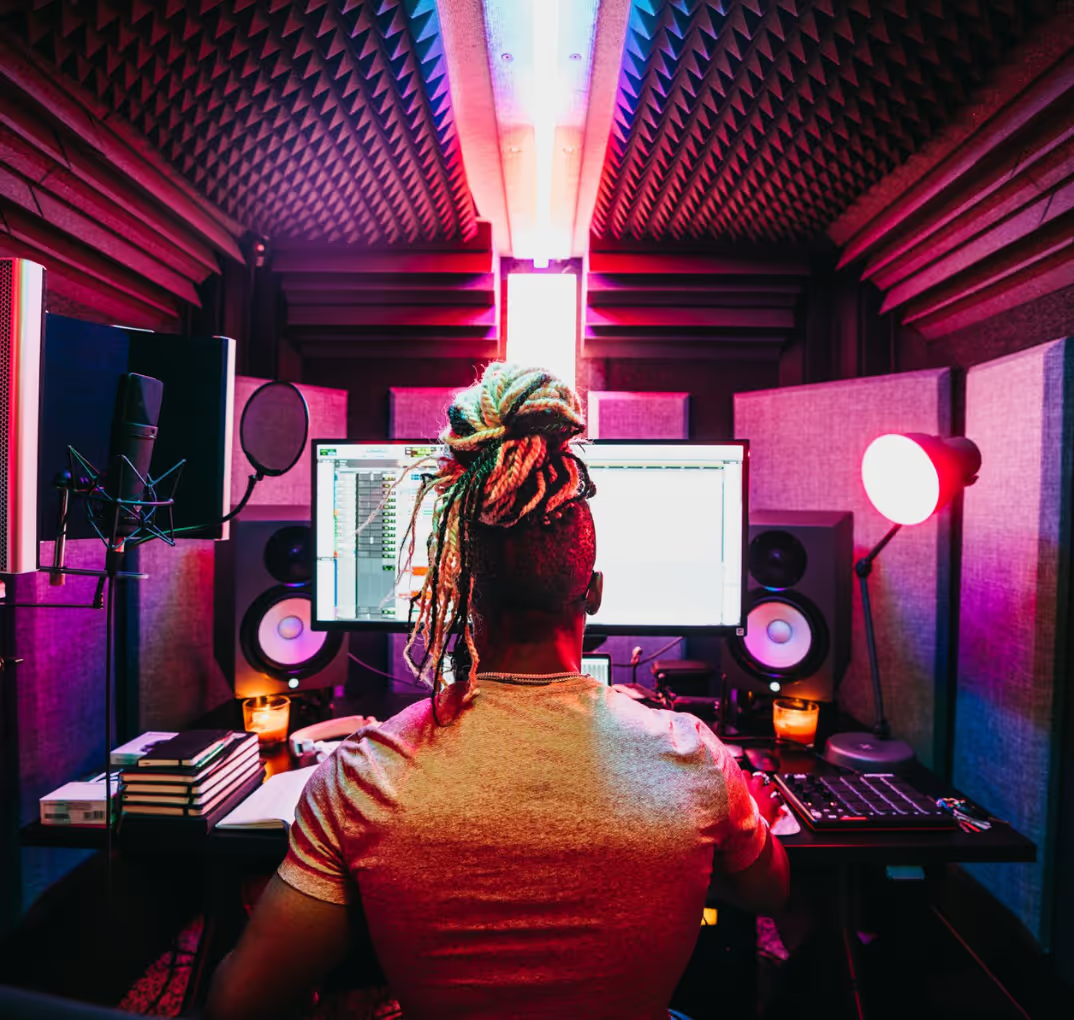
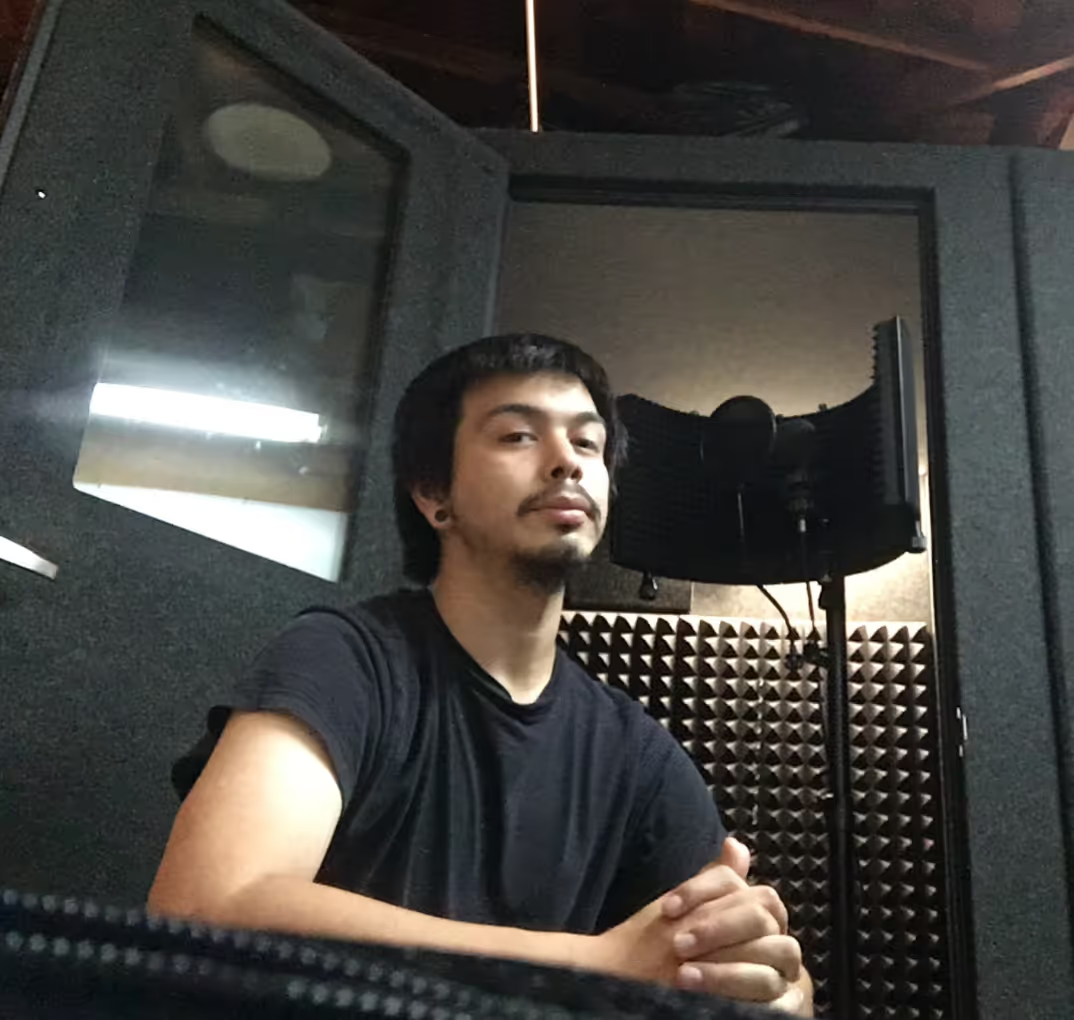
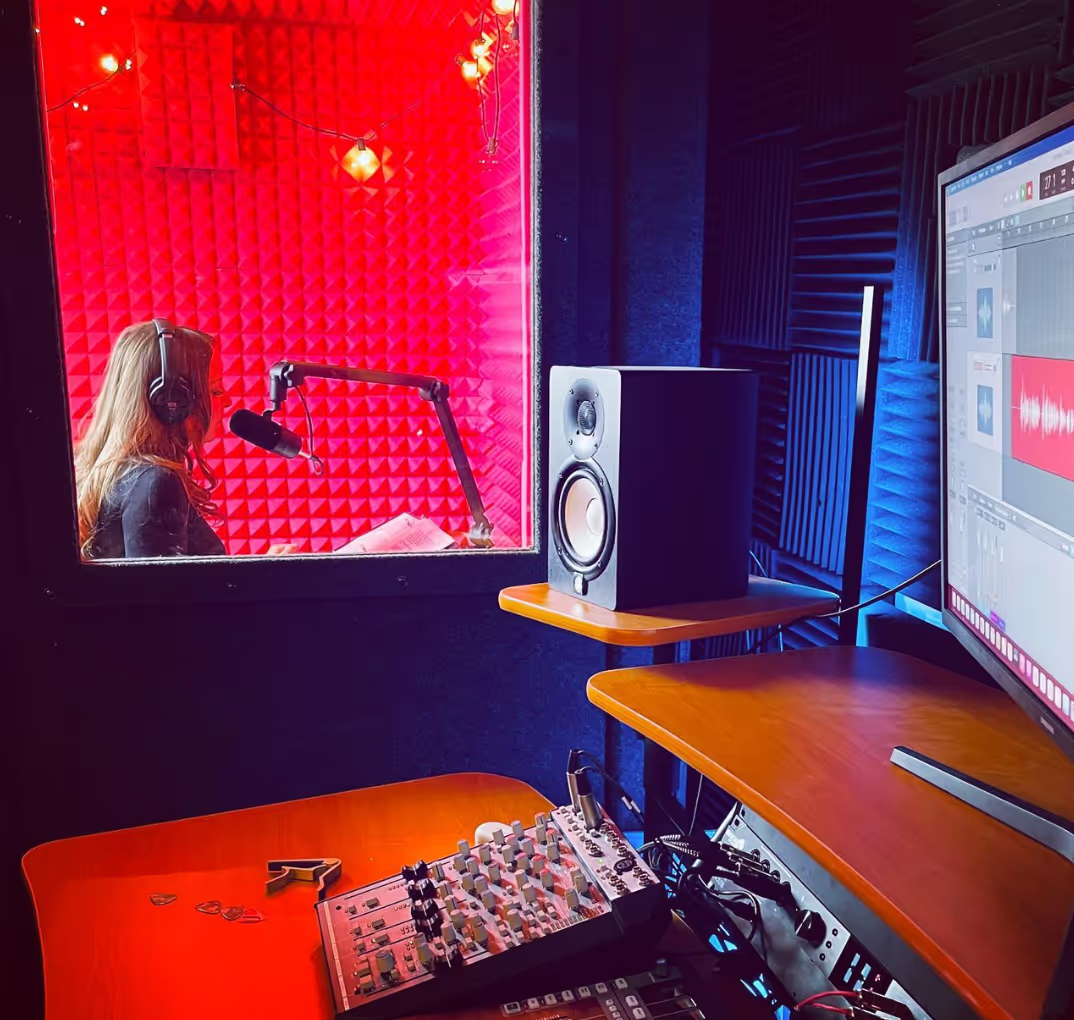
What a Creator Recording Booth Setup Looks Like
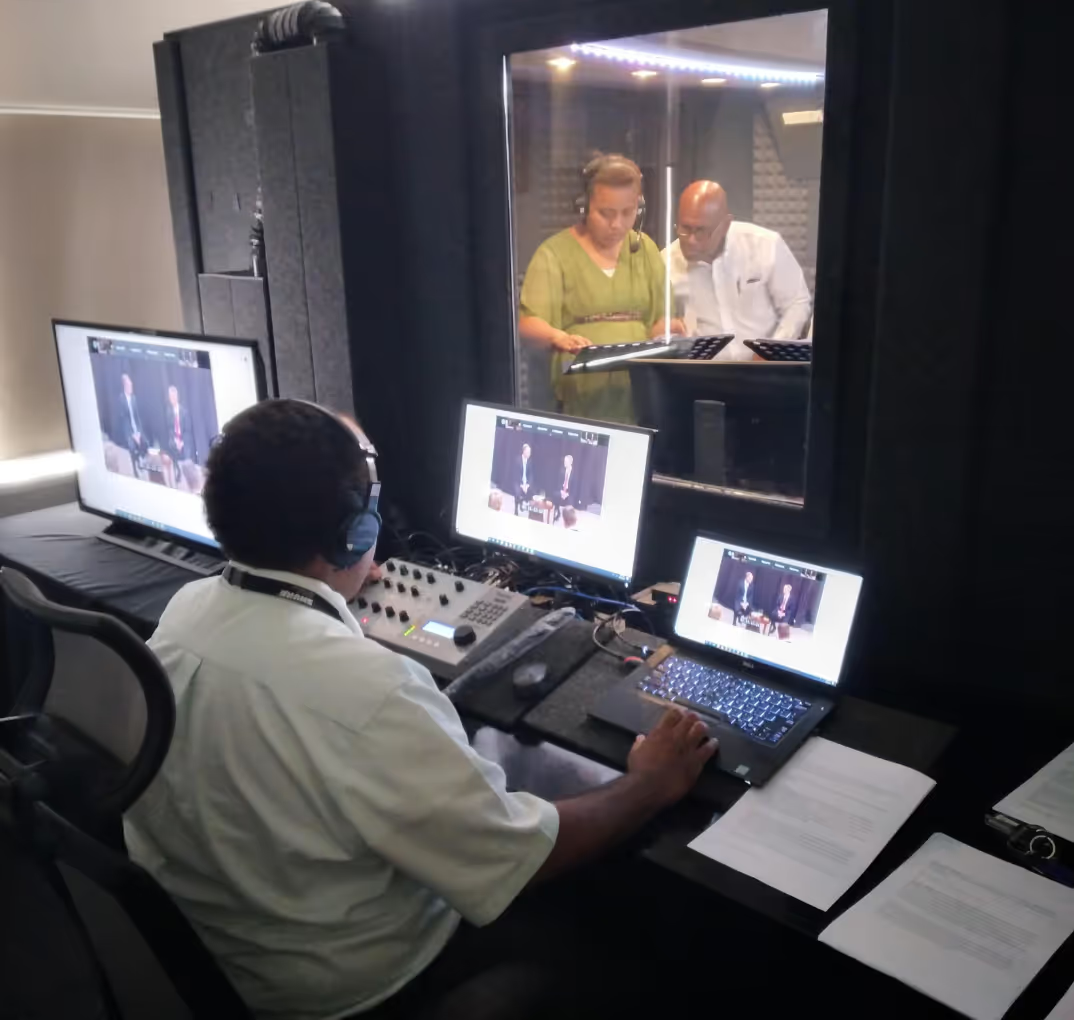
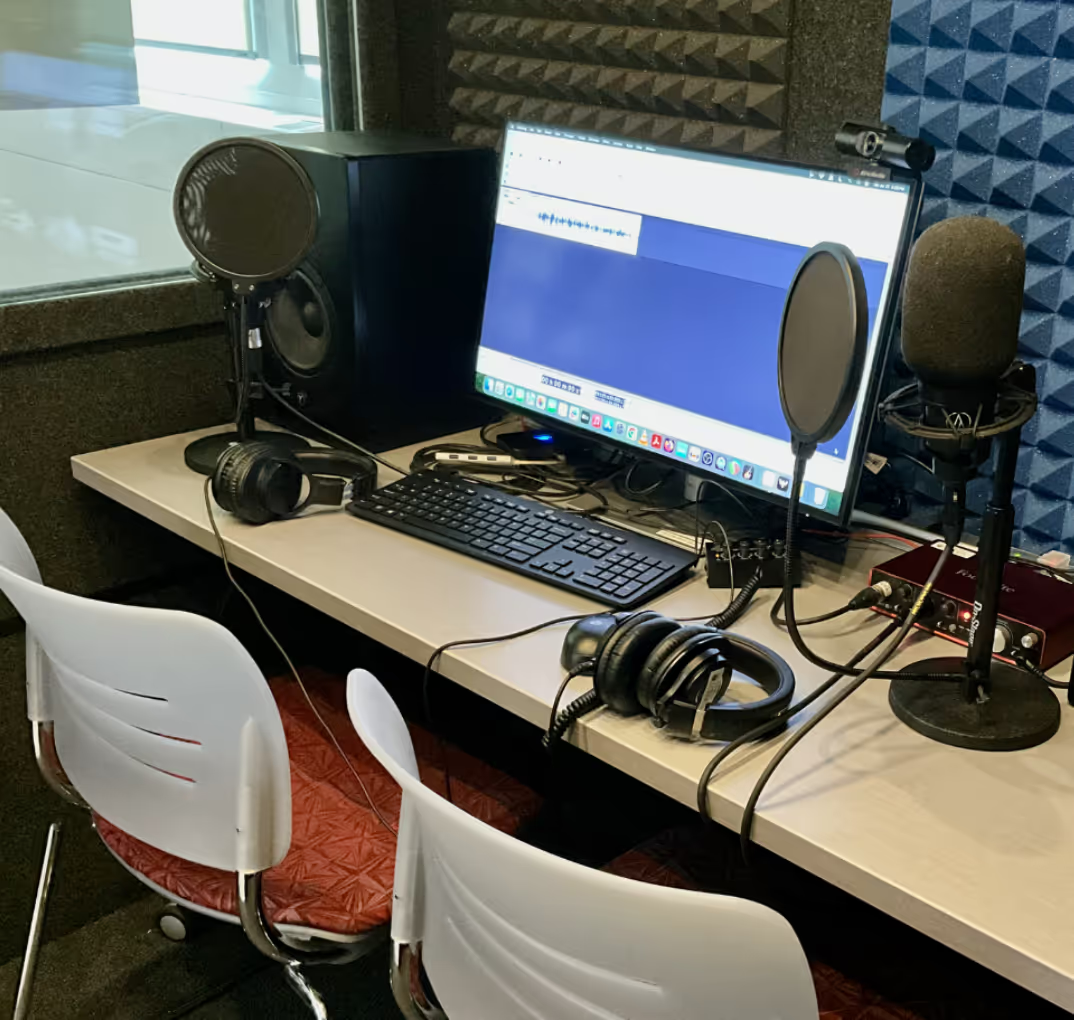
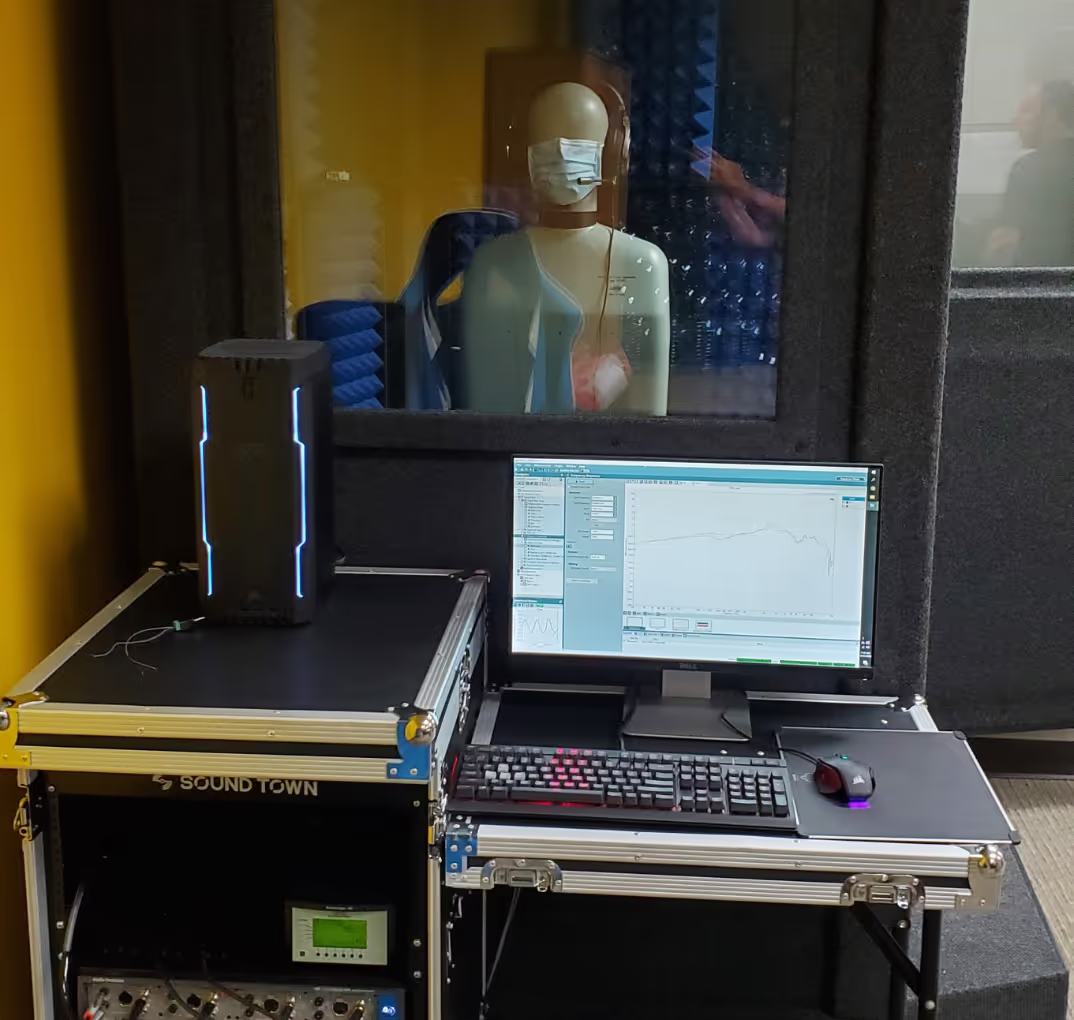
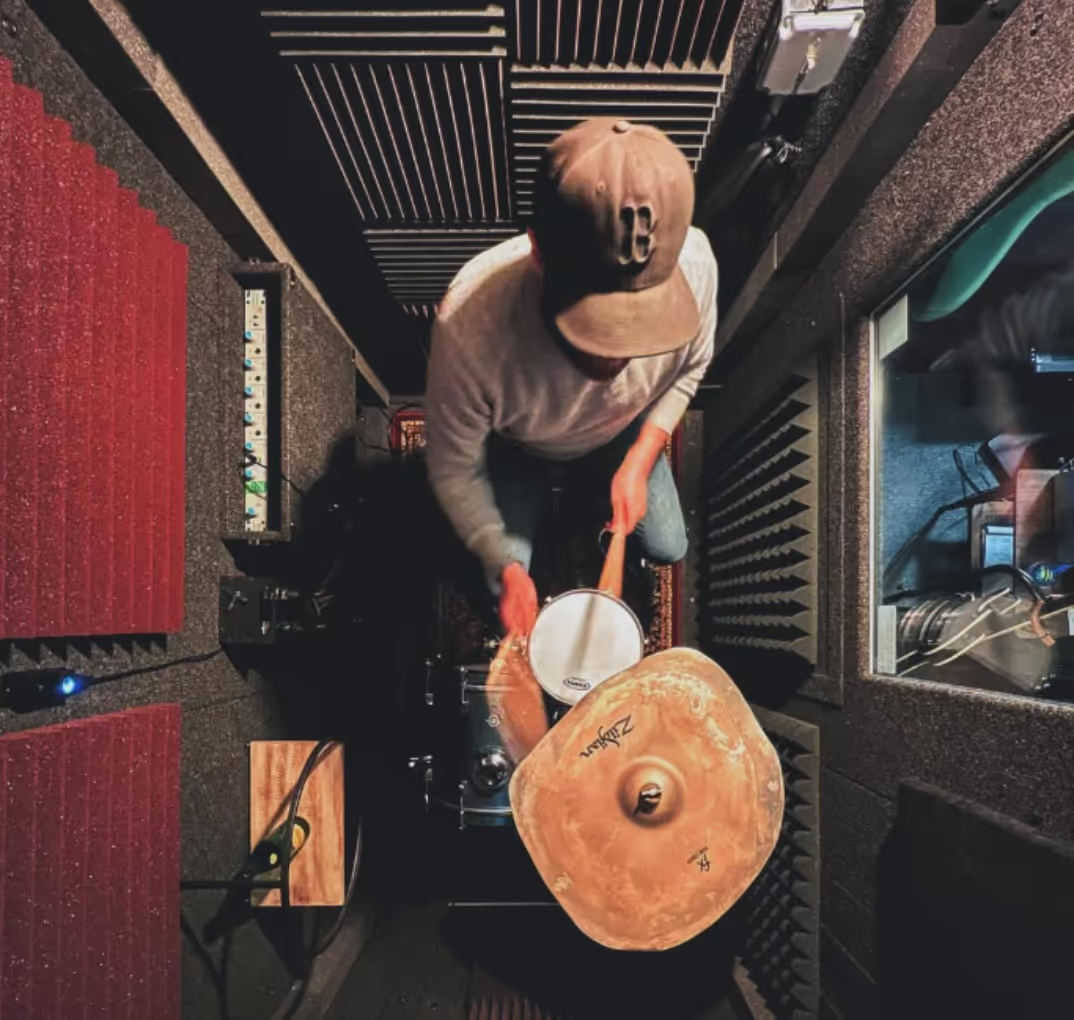
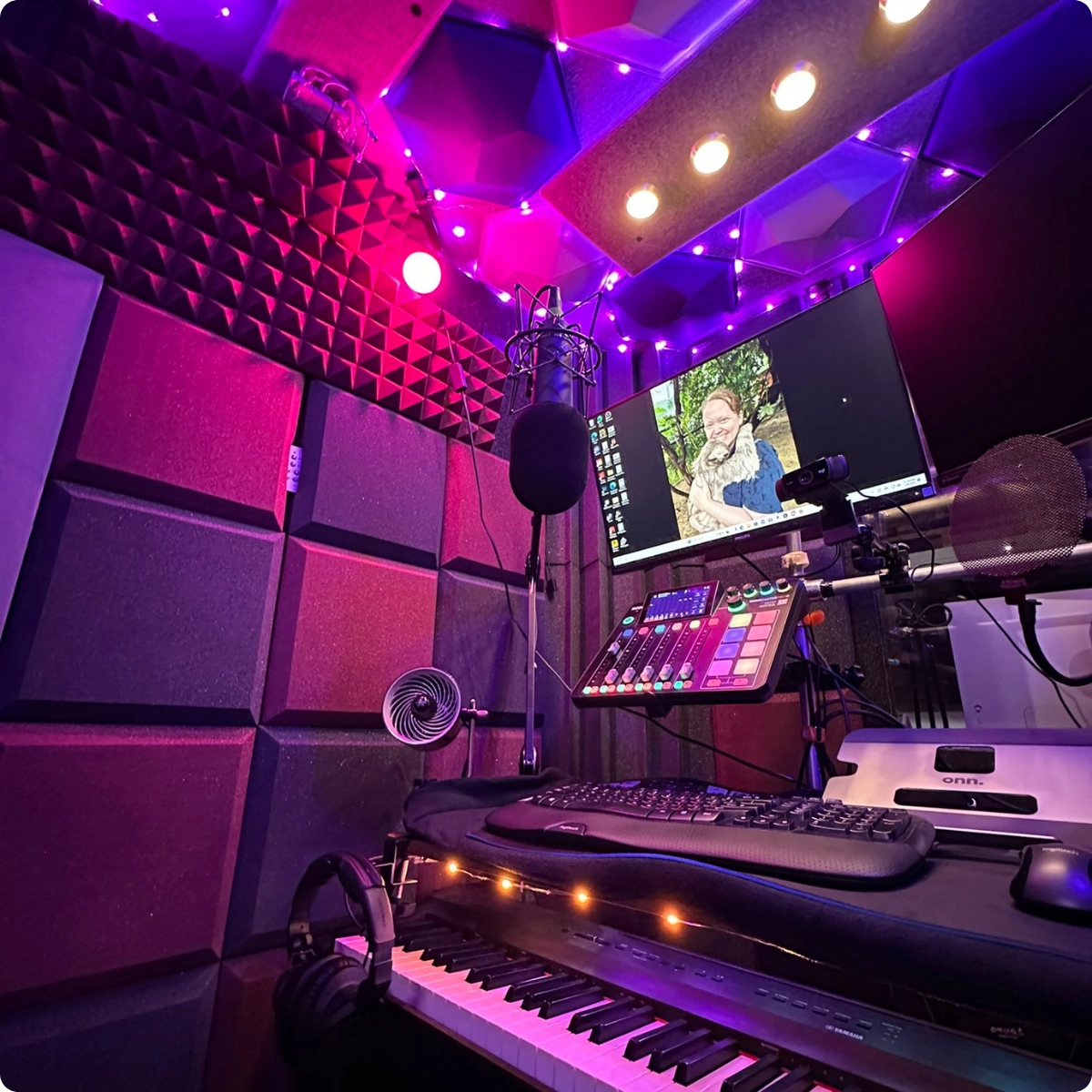
A typical creator recording setup inside a booth may include:
- a broadcast microphone
- headphones for monitoring
- acoustic treatment inside the booth
- a laptop or recording interface
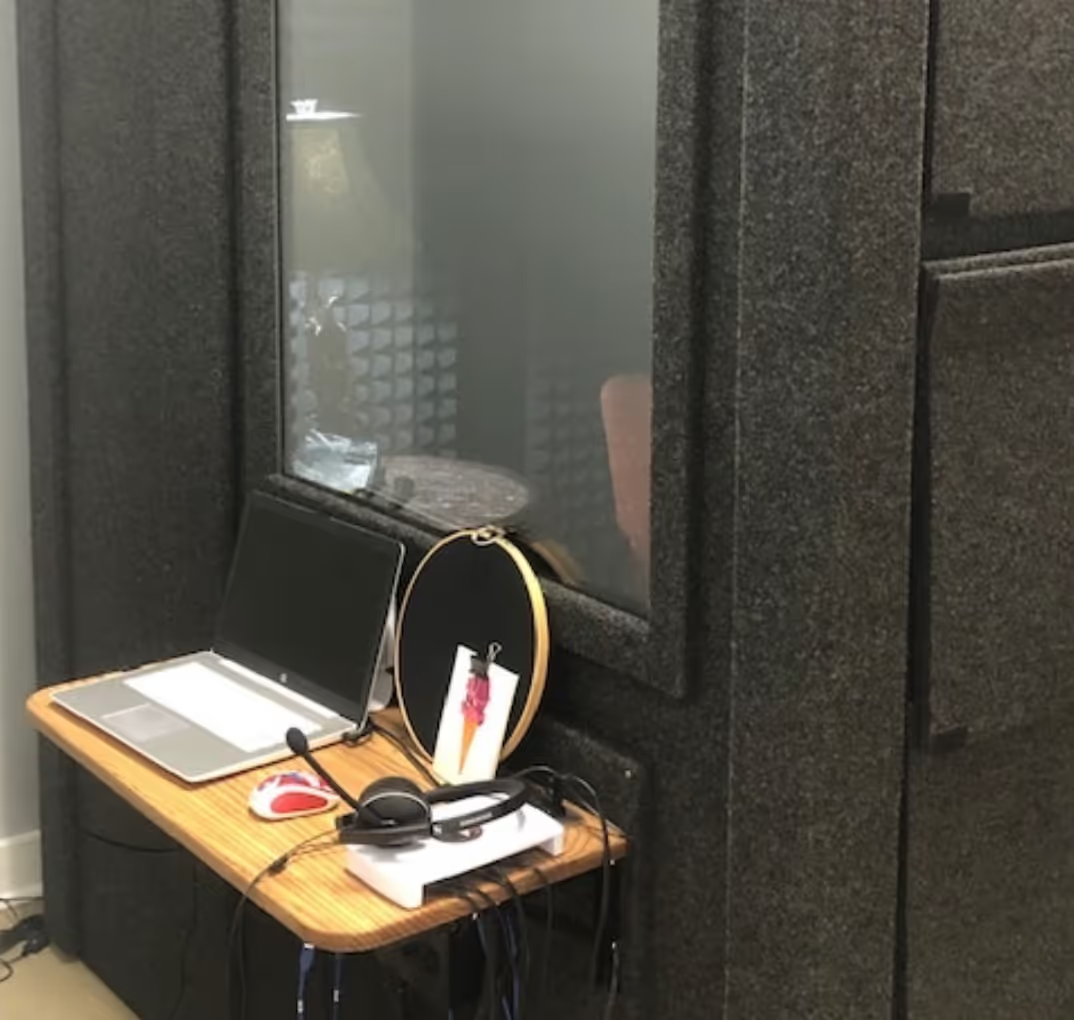
- lighting or camera equipment positioned outside the booth
This type of environment allows creators to focus on performance without worrying about background noise interrupting recordings.
Quick Checklist for Recording Clean Audio at Home
If you are trying to improve your recordings, consider the following steps.
- choose the quietest room available
- reduce echo with acoustic treatment
- turn off nearby appliances during recording
- seal gaps around doors and windows
- use directional microphones
- control the recording environment as much as possible
Many creators discover that improving the recording space produces a bigger improvement than upgrading microphones.
Frequently Asked Questions
How do YouTubers record clean audio at home?
Many creators use treated rooms or isolation booths to control echo and background noise. A controlled recording environment is one of the biggest factors in audio quality.
Can you record in a noisy apartment?
Yes, but background noise from neighbors, traffic, and building systems can affect recordings. Many creators use acoustic treatment to reduce echo and sound isolation solutions to block outside noise when recording in apartments.
Do foam panels stop outside noise?
No. Foam panels improve sound inside a room but do not block external noise from entering the space.
What is the best recording environment for voiceovers?
The best environment is quiet, sealed from outside noise, and acoustically treated to reduce reflections.
Do I need a recording booth for podcasting?
Not always. Many podcasters start with treated rooms. However, isolation booths become useful when external noise interferes with recordings.
Creating a Quiet Recording Space for Your Content
Clean audio is one of the biggest factors that separates amateur content from professional productions.
While microphones and software matter, the recording environment plays an even larger role.
Creators who invest in controlling their recording space often see dramatic improvements in sound quality, editing efficiency, and overall production consistency.
If you want to explore booth sizes and studio configurations designed for creators, you can browse WhisperRoom's Creator and Voice Over booth packages to see how different models fit into home studio setups.
Talk With a WhisperRoom Specialist About Your Setup
If background noise is interfering with your recordings, a dedicated isolation booth may help.
Tell us about:
- your room size
- your recording workflow
- the types of noise you are dealing with
- the space available in your home or studio
Our team can help you explore booth options designed for creators, podcasters, and voice actors.


.avif)
.avif)
.avif)

.avif)
.avif)

.avif)
.avif)
.avif)
.avif)
.avif)
.avif)
.avif)
.avif)
.avif)
.avif)
.avif)
.avif)
.avif)
.avif)
.avif)
.avif)


.avif)